DIY

  • Can you dye a brown leather couch black

    Can you dye a brown leather couch black

    Leather furniture is popular among many people and for good reason. A good piece of leather furniture, be it a leather chair, leather sofas, or anything else, can last for years and is completely timeless. Sometimes, though, we buy a piece of leather furniture only to later wish we’d chosen a different colour.

    But that’s where leather couch dye comes in. As long as you’re not working with a sensitive leather like aniline leather or suede, you can easily dye most leather furniture relatively easily. This means that you can take your dark brown leather couch to a slick black sofa in no time at all!

    How to get the best results with leather dye

    There are a few different things to consider when using leather dye. These can help to ensure that any leather dye job you do gets just as successful results as a professionally done job. So if you want to take your leather sofa from drab to fab, keep these five tips in mind in order to really improve your leather furniture.

    Follow any instructions

    When you buy leather dye or leather finish, or even leather cleaning products, be sure to follow the instructions that they come with. Leather is a temperamental material and it’s important to treat your leather sofa well otherwise you could fins that in trying to get a darker colour, you ruin the material.

    Evenly coat the leather furniture

    Even coats are crucial. In order to get the best leather colour when you dye leather furniture, you must apply coats that are the same thickness. This can be hard to do, so just be sure to take your time and pay full attention to what you’re doing in order to be sure you achieve an even and solid colour change on your leather sofa.

    Let each coat dry

    Leather sofas and other leather products will get darker as the dye dries. It is therefore crucial to let each coat dry completely when dyeing leather furniture before you put another coat of leather dye on. This will give you the best control over what colour your leather sofa comes out as.

    Clean the leather first

    Leather cleaning is essential when dyeing as it ensures you can really get even coats. You should hoover, dust, brush and clean your leather couch, including any small seams and tucked away areas before you get started.

    Make sure the leather sofa is dry

    Once you have put the final coat and leather finish on the leather sofa, do not rush into sitting on it. If you sit on the sofa too early you will smudge the dye, ruining your clothes and the top coat. It is best to leave the leather sofa to dry completely rather than risk doing so!

    A step-by-step guide to dyeing leather furniture:

    If you do decide you want to change your dark brown leather sofa black, it is important to make sure you know what you’re doing. This will make sure that your leather has a good leather finish and that you still love your leather sofa when done.

    You will need:

    • A bowl or container
    • Drop cloths
    • Paintbrushes
    • Soft cloth or sponge
    • Leather dye
    • Masking tape
    • Cotton wool balls
    • Leather prep wipe
    • Applicator sponge
    • Leather sealant
    • Abrasive pad

    You should:

    1. Prepare the area: open windows and ensure that you are working in a well ventilated area. You should place drop cloths on the floor and cover any parts of the sofa you do not want to dye in a cloth or masking tape.
    2. Prepare yourself: find gloves and protective clothing or clothes that you do not mind damaging. It is essential to wear gloves, otherwise you will dye your skin as well as the leather sofa.
    3. Prepare the leather: you should gently rub the leather with an abrasive pad in order to remove any leather waxes or silicones that the manufacturer may have added. On the sides, you may find that rubbing alcohol is enough to do this. This process will also help to remove cracks and creases. Any creased and cracked areas that are not removed here should be filled and sanded. Once you notice colour coming off of the leather, you can stop using the rubbing alcohol/pad as the finish has been suitably removed.
    4. Clean the leather: using a leather prep wipe, clean the leather sofa diligently. Once that’s done, you should then go in with alcohol and clean the sofa further to remove any further polish or wax. Afterwards, wait for at least 30 minutes for the cleaner to dry completely.
    5. Apply the first coat: using the applicator sponge you should start to work the colour into the leather. You should apply light pressure as you work and try to apply a thin coat. If you get a foam on the surface just wipe it away gently. Once one coat is applied, let it dry completely before going in again.
    6. Apply the second coat, and so on: continue to apply coats to your leather couch until you are satisfied with the colour change. Remember that dye darkens as it dries, so you should always leave your leather couch to dry before determining whether or not to do a final coat. If you want to hurry along the dyeing process you can use a hair dryer to get the leather to dry quicker.
    7. Apply a sealant: you should then apply a leather sealant to protect the leather dye and your leather sofa. A leather top coat works as a protective coating and should be applied by following the manufacturer’s instructions. These are usually very similar to the dyeing process.

    Leather dye vs leather paint

    Leather dyes permeate into the leather to cause a colour change. When dyeing leather furniture, you will find a subtle, more natural looking colour. Alternatively, leather paint sits on the surface of the leather. It comes in a range of colours wider than those that leather dye offers, but it is also much harder to maintain.

    When possible, leather dye is always recommended over leather paint.

  • How To Clean Dried Cat Urine From Carpet DIY

    How To Clean Dried Cat Urine From Carpet DIY

    Dealing with dried cat urine stains on your carpet can be a challenging and unpleasant task. The odor can be overwhelming, and leaving the stain untreated can pose risks to your health and the cleanliness of your home.

    In this article, we will discuss the importance of cleaning dried cat urine from your carpet, the supplies needed for the task, step-by-step instructions on how to remove the stains effectively, and tips on preventing future accidents. Let’s dive in and learn how to tackle this common pet-related issue!

    Why Is It Important To Clean Dried Cat Urine From Carpet?

    Cleaning dried cat urine from the carpet is crucial for maintaining a healthy and hygienic home environment, ensuring the welfare of both pets and their owners.

    Not only does lingering cat urine odour create an unpleasant living atmosphere, but it can also lead to respiratory issues and allergies for both humans and animals. If left untreated, the ammonia in cat urine can cause carpet discolouration and deterioration over time. By promptly removing dried cat urine stains from carpets, you not only ensure a fresh-smelling home but also prevent bacteria growth and potential health hazards. This simple yet essential maintenance task contributes significantly to a clean and harmonious living space for all inhabitants.

    What Are The Risks Of Leaving Dried Cat Urine On Carpet?

    Leaving dried cat urine on carpets poses risks such as bacterial growth, persistent odour, and potential health hazards due to the unpleasant smell.

    The presence of dried cat urine can provide an ideal environment for bacteria to thrive, leading to contamination that can result in respiratory issues and allergic reactions. The persistent odour from the urine can permeate the air, causing discomfort and potentially triggering headaches or nausea with prolonged exposure. This not only affects the indoor air quality but also poses risks to overall health, especially for individuals with respiratory conditions or sensitivities. Therefore, it is crucial to address and clean cat urine promptly to prevent these adverse effects.

    What Are The Supplies Needed To Clean Dried Cat Urine From Carpet?

    To effectively clean dried cat urine from carpets, you will need supplies such as white vinegar, baking soda, hydrogen peroxide, dish soap, and enzymatic cleaner.

    While white vinegar works to break down the urine components and neutralise the smell, baking soda is excellent for absorbing moisture and tackling lingering odours.

    Hydrogen peroxide is a powerful stain remover that can lift tough marks from the carpet fibres.

    The dish soap helps in cleaning the area thoroughly, while an enzymatic cleaner targets the organic compounds in the urine to eliminate both stains and odours effectively.

    By combining these household products, you can create DIY solutions that are cost-effective and efficient in restoring your carpet to its pristine condition.

    White Vinegar

    White vinegar is a versatile household item that can effectively clean and neutralise cat urine stains on carpets.

    It’s a natural and safe alternative to harsh chemicals, making it ideal for pet owners concerned about the well-being of their furry friends. The acidic nature of white vinegar helps break down the uric acid crystals in cat urine, which are the root cause of lingering odours. White vinegar’s disinfectant properties can help eliminate harmful bacteria and germs present in the affected area, ensuring a thorough and hygienic cleaning process.

    Baking Soda

    Bicarbonate of soda is a potent odour-absorbing agent that can help eliminate unpleasant smells caused by cat wee on carpets.

    When cat wee soaks into carpets, it can leave behind a persistent and unpleasant smell that is difficult to disguise. The advantage of bicarbonate of soda lies in its ability to not only absorb but also neutralise these stubborn odours, rather than just temporarily covering them up.

    By generously sprinkling bicarbonate of soda over the affected area and allowing it to sit for some time, the fine powder works its magic by absorbing the ammonia in cat wee and breaking down the odour molecules. This natural deodorising property of the bicarbonate of soda makes it a cost-effective and eco-friendly solution for dealing with pet-related odours in your home.

    Hydrogen Peroxide

    Hydrogen peroxide is a versatile cleaning agent that can effectively tackle stubborn stains left by cat urine on carpet fibres.

    One of the key benefits of using hydrogen peroxide to treat cat urine stains on carpets is its ability to break down the organic residues that cause an unpleasant odour. This powerful oxidising agent can penetrate deep into the carpet fibres, lifting the stain from within and helping to restore the cleanliness of the fabric. Hydrogen peroxide is a cost-effective and readily available solution for homeowners looking to effectively address pet-related accidents.

    Whether dealing with old, set-in stains or fresh spills, hydrogen peroxide offers a reliable way to freshen up your carpets and eliminate the telltale signs of pet messes.

    Dish Soap

    Washing-up liquid is a common household cleaning solution that can be used to create an effective cleaning mixture for removing cat urine from carpets.

    When dealing with cat urine stains on carpets, the enzymes present in the cat urine can make the odours and stains particularly stubborn and challenging to remove. Washing-up liquid plays a crucial role in breaking down the oils and organic residues in the urine, making it easier to lift the stains from the carpet fibres. Its ability to effectively emulsify and lift away oily substances makes it a valuable component in creating a cleaning solution tailored to tackle cat urine stains.

    By combining washing-up liquid with water and other ingredients like vinegar or bicarbonate of soda, you can create a powerful cleaning mixture that targets the source of the stain and helps eliminate both the odour and the unsightly mark left behind.

    Enzymatic Cleaner

    An enzymatic cleaner is a pet-friendly and effective solution for removing cat urine stains from carpets by breaking down organic compounds and eliminating odours.

    This type of cleaner contains specially formulated enzymes that target the specific molecules present in cat urine, such as uric acid and urea. When these enzymes come into contact with the stains, they work to break down the chemical bonds, effectively neutralising the odour at the source. Unlike harsh chemicals that may pose a risk to pets or humans, enzymatic cleaners offer a gentle and non-toxic approach, making them a safe option for households with furry family members.

    What Are The Steps To Clean Dried Cat Urine From Carpet?

    Cleaning dried cat urine from carpets involves a series of steps such as blotting the stain, preparing a cleaning solution, and applying it to the affected area.

    Once you’ve blotted up as much of the urine as possible, it’s time to mix a cleaning solution. A simple mix of equal parts water and white vinegar can be highly effective in breaking down the enzymes in cat urine.

    Gently pour the solution onto the affected area, ensuring it penetrates the carpet fibers. Allow the solution to sit for at least 10-15 minutes to work its magic. For a deeper clean, consider using a carpet cleaner with an enzymatic cleaner specifically designed for pet stains.

    After treating the area, rinse with cold water and blot dry with clean towels. For persistent stains, you may need to repeat the process or try commercial pet stain removers.

    Explore: How To Clean Carpet Stains DIY

    Dab The Urine Stain

    The first step in cleaning dried cat urine from carpets is to blot the urine stain with a clean cloth or kitchen roll to absorb as much liquid as possible.

    This immediate action is crucial as blotting helps prevent the urine from spreading further into the carpet fibers and being absorbed deeply. By swiftly removing the excess moisture, you can minimise the potential for long-term damage and the lingering odor that often accompanies pet accidents.

    Prompt blotting can make the subsequent cleaning process more efficient and effective, ensuring that the affected area is thoroughly treated. Taking quick and thorough action when dealing with urine stains is key to maintaining the cleanliness and freshness of your carpets.

    Mix A Cleaning Solution

    Prepare a DIY cleaning solution by mixing white vinegar, bicarbonate of soda, and water to create an effective stain-fighting remedy for dried cat urine on carpets.

    Vinegar is known for its acidic properties, which help in neutralising odours while bicarbonate of soda acts as a gentle abrasive that helps in lifting stains. The combination of these two powerhouse ingredients creates a potent cleaning agent that can tackle even the toughest of messes.

    To make the solution, mix equal parts of vinegar and water in a spray bottle, then sprinkle bicarbonate of soda over the affected area. Allow it to sit for a few minutes before scrubbing it with a brush or cloth. The fizzing action of the mixture will work to break down the urine compounds, leaving your carpet fresh and clean.

    Apply The Solution To The Stain

    Apply the prepared cleaning solution to the dried cat urine stain on the carpet, ensuring thorough coverage of the affected area for effective odour and stain removal.

    To effectively treat the urine stain, it is crucial to saturate the affected spot completely with the solution. This allows the active ingredients to penetrate deeply into the carpet fibres, reaching all layers affected by the urine. Ensuring that the solution is applied evenly helps to prevent any potential discolouration or uneven cleaning results. Leave the solution on the stain for the recommended time, as indicated on the product label, to allow it sufficient contact time to break down the urine components and eliminate the odour at its source.

    Let It Sit

    Allow the cleaning solution to sit on the dried cat urine stain, giving it time to absorb and eliminate the odour-causing compounds from the carpet fibres.

    Waiting is key when dealing with urine stains. It’s recommended to let the cleaning solution work its magic for at least 10-15 minutes. This waiting period allows the solution to penetrate deep into the carpet fibres, breaking down the urine residue effectively. By being patient and allowing sufficient time for the solution to work, you ensure thorough absorption and long-lasting odour elimination. This method not only tackles the stain visibly but also addresses the underlying issue by neutralising the odour at its source.

    Blot Again

    After letting the solution sit, blot the area again with a clean cloth to absorb any remaining moisture and bacteria, aiding in the drying process.

    This step is crucial to ensure that the carpet is thoroughly cleaned and to expedite the drying time. By blotting the area again, you are not only removing excess moisture that could lead to mould growth but also eliminating any lingering bacteria that may cause odours or health hazards. The act of blotting helps in promoting quicker drying of the carpet fibres, preventing the formation of water stains or discolouration. It’s a simple yet effective way to guarantee a fresh and sanitary carpet after a thorough cleaning session.

    Rinse With Water

    Rinse the cleaned area with water to remove any residue of the cleaning solution and cat urine from the carpet fibres and upholstery fabric.

    This crucial rinsing step ensures that the carpet and upholstery are thoroughly cleaned, as any leftover cleaning solution or urine traces can attract dirt and cause staining over time. By flushing the area with water, you not only eliminate these potential contaminants but also help to revitalise the fabric and restore its freshness.

    Without proper rinsing, the cleaning process may not be fully effective, leaving behind residues that can lead to recontamination and unpleasant odors. Rinsing aids in maintaining the appearance and longevity of your carpet and upholstery, prolonging their overall lifespan.

    Dry The Area

    Dry the cleaned area thoroughly using towels or a fan to absorb excess moisture and eliminate any remaining odour from the carpet.

    Properly drying the cleaned area is crucial in preventing the growth of mould and mildew, which thrive in damp environments. By ensuring that the carpet is completely dry, you not only maintain a hygienic living space but also prolong the life of your carpet.

    Residual moisture can attract dirt and particles, leading to potential discolouration and unpleasant smells. A fully dried carpet will restore its cleanliness and freshness, allowing you to fully appreciate the results of your cleaning efforts.

    What Are Some Tips To Prevent Cat Urine Stains On Carpet?

    Preventing cat urine stains on carpets involves implementing a regular cleaning schedule, using preventive measures, and addressing accidents promptly to maintain a stain-free environment.

    1. Establishing a regular cleaning routine is essential to prevent lingering odours and stains on your carpet. Vacuuming regularly helps remove any cat hair or debris that may attract your cat to urinate on the carpet. In addition, using enzymatic cleaners specifically designed for pet stains can help break down the urine molecules and eliminate any odours.
    2. Implementing preventive strategies such as providing sufficient litter trays and keeping them clean can also discourage your cat from urinating outside the tray. Addressing accidents promptly by blotting up the urine as soon as possible and using a pet-safe carpet cleaner can help prevent stains from setting in.

    Clean Up Accidents Immediately

    Act swiftly to clean up any cat urine accidents on carpets immediately to prevent stains, odours, and the recurrence of unwanted incidents.

    Using pet-friendly cleaning solutions is crucial to effectively remove cat urine stains and odours, as traditional cleaners may contain harsh chemicals that could be harmful to pets.

    By tackling the mess promptly, you not only maintain a clean environment but also discourage your cat from repeating the behaviour in the same spot.

    Remember, the longer the urine sits, the more challenging it becomes to completely eliminate the smell, making quick action essential for successful cleanup.

    Use A Cat Urine Deterrent

    Implement a cat urine deterrent to discourage feline companions from soiling carpets and upholstery, preventing future stains and maintaining a pet-friendly environment.

    Consider Using A Cat Litter Box

    Encourage the use of a cat litter tray to provide feline companions with a designated area for urination, reducing the likelihood of accidents and preserving carpet cleanliness.

    Cat litter trays serve as essential tools in maintaining a harmonious living space for both humans and their beloved pets. By establishing a specific spot for your cat to relieve itself, you not only prevent unsightly accidents on carpets but also promote a healthy hygiene routine for your furry friend. The controlled environment of a litter tray helps contain odours, making it easier to keep your home smelling fresh and clean. Regular cleaning and maintenance of the litter tray contribute to overall pet wellness and happiness.

  • How To Clean Carpet Stains DIY

    How To Clean Carpet Stains DIY

    Are you tired of looking at those stubborn carpet stains that just won’t seem to go away? From food spills to pet accidents, dirt, and mud, carpet stains can be a real headache to deal with.

    We compiled a comprehensive guide with tips from Carpet Team on how to tackle these common carpet stains using simple DIY methods. With just a few household ingredients like white vinegar, baking soda, and dish soap, you can say goodbye to those unsightly marks on your carpet.

    Stay tuned as we walk you through the tools and materials you need, tips for maintaining a clean carpet, and when it might be time to call in the professionals.

    Let’s get your carpets looking fresh and clean again!

    What Causes Carpet Stains?

    Carpet stains can be caused by various factors such as food and drink spills, pet accidents, dirt, and mud tracked into the house.

    Food and drink spills are common culprits for carpet stains, with red wine, coffee, and tomato sauce being particularly notorious offenders. These spills can quickly seep into the fibres of the carpet, leaving behind stubborn marks.

    Pet accidents, like urine or vomit, can also lead to pervasive stains if not promptly cleaned. In addition, dirt and mud tracked in from outside can leave unsightly marks on carpets, especially in high-traffic areas.

    To prevent deep-seated stains, it is essential to address spills immediately by blotting the area with a clean cloth and using a mild cleaning solution to lift the stain.

    Discover: How To Keep Bedroom Carpet Clean

    Food And Drink Spills

    Food and drink spills are common culprits for carpet stains, often leading to noticeable discolouration and odours if not promptly addressed.

    When it comes to dealing with stains caused by food and drinks on carpets, it’s important to act fast. Immediately blotting the spill with a clean cloth or paper towel can prevent the liquid from seeping further into the carpet fibres. For solid food spills, gently scoop up the residue before addressing any remaining stains. Remember, the longer a stain sits, the harder it can be to remove. Different types of food and drink stains require specific treatment methods to effectively lift the discolouration and odours from the carpet fibres.

    Pet Accidents

    Pet accidents can leave stubborn stains and unpleasant odours on carpets, requiring specific cleaning methods to effectively remove the marks and eliminate the smell.

    Enzymatic cleaners are highly effective for breaking down the organic compounds in pet stains, while vinegar mixtures provide a natural and affordable solution for odour removal. To tackle fresh stains, blot the area with a clean cloth and apply the enzymatic cleaner, allowing it to sit for the recommended time before blotting again. For older stains, a mixture of vinegar and water can help neutralise odours. To prevent future accidents, establish a consistent potty routine for your pet and consider using training aids. Regular vacuuming and professional steam cleaning are essential for maintaining a fresh-smelling carpet.

    Dirt And Mud

    Dirt and mud stains on carpets are not only unsightly but can also embed deep into the fibres, requiring thorough cleaning methods to restore the carpet’s appearance.

    If left unattended, dirt and mud can lead to permanent damage, causing discolouration and weakening the carpet structure. Different carpet types such as plush, berber, or loop pile may require specific cleaning techniques to effectively tackle these stains.

    Regular hoovering is essential to prevent soil accumulation, while immediate dabbing with a damp cloth can help lift fresh stains. For a deeper clean, consider steam cleaning your carpet periodically to remove embedded dirt and restore its freshness.

    What Tools And Materials Do You Need For DIY Carpet Stain Removal?

    To tackle carpet stains effectively, you will need essential household items such as white vinegar, baking soda, hydrogen peroxide, and clean cloths or kitchen rolls for blotting.

    White vinegar is a versatile cleaning agent that can help remove stubborn stains and odours from carpets. It works well on grease, pet stains, and general dirt build-up.

    Baking soda, on the other hand, is great for absorbing odours and lifting dirt from carpet fibres. It also acts as a natural deodoriser, leaving your carpets smelling fresh.

    Hydrogen peroxide is effective for tackling organic stains like blood or wine. When selecting cleaning agents, make sure to check the label to ensure they are safe for the specific type of carpet fibres you have to avoid causing any damage.

    White Vinegar

    White vinegar is a versatile and eco-friendly solution for removing carpet stains, known for its odour-neutralising properties and gentle cleaning effectiveness.

    Its natural disinfectant properties make it an excellent choice for sanitising carpets without harsh chemicals. By diluting white vinegar with water, you can create a powerful yet safe solution for tackling tough stains. Simply spray the mixture onto the affected area, let it sit for a few minutes, and then blot with a clean cloth. This method not only helps lift the stain but also eliminates bacteria and allergens lurking in your carpet fibres. Regular use of white vinegar can keep your carpets fresh and free from germs, promoting a healthier indoor environment.

    Baking Soda

    Bicarbonate of soda is a popular household item for DIY carpet cleaning, valued for its absorbent and deodorising qualities that help lift stains and freshen carpets.

    When bicarbonate of soda comes into contact with stains on carpets, it works by chemically reacting with the particles, breaking them down and making them easier to lift off the carpet fibres.

    To effectively use bicarbonate of soda for spot treatment, simply sprinkle a generous amount directly onto the stain, allowing it to sit for around 15-30 minutes. This will give the bicarbonate of soda enough time to absorb the liquid and odours.

    After the waiting period, vacuum up the bicarbonate of soda, revealing a noticeably fresher and cleaner carpet surface.

    Dish Soap

    Dish soap can serve as an effective spot treatment solution for carpet stains, helping to break down greasy residues and lift dirt from the fibers.

    Its mild yet powerful cleaning properties make it a versatile option for tackling various spills and marks on carpets. When using dish soap, it’s important to remember that a little goes a long way – dilute it with water to create a gentle cleaning solution. Overusing dish soap can leave behind a sticky residue that attracts more dirt, so always ensure thorough rinsing after treating a stain. Test a small, hidden area of the carpet first to check for any adverse reactions to the soap.

    Hydrogen Peroxide

    Hydrogen peroxide is a versatile cleaning agent that can effectively tackle tough stains on carpets, providing a powerful yet gentle solution for spot treatment.

    Its oxidising properties make it a great choice for breaking down and lifting stubborn stains like coffee, wine, and pet urine. Hydrogen peroxide can be safely used on a variety of surfaces, including carpets, upholstery, and even clothing.

    Before applying it to a visible area, it’s wise to test it on a small, inconspicuous spot to ensure compatibility with the material. This precaution can help prevent any potential discolouration or damage that may occur. By following these steps, you can harness the stain-fighting power of hydrogen peroxide effectively and safely.

    Clean Cloths Or Paper Towels

    Clean cloths or kitchen rolls are essential for dabbing and absorbing excess moisture during the carpet cleaning process, helping to prevent further spreading of the stains.

    These materials play a crucial role in the initial stages of stain removal as they help lift and absorb the spilled substances before they set into the carpet fibers. When dealing with liquid stains, such as wine or juice, opt for white, absorbent cloths to soak up the liquid effectively without transferring any dyes onto the carpet. For thicker substances like pet accidents or food spills, a microfiber cloth works well to absorb and lift the stain gently without causing damage to the carpet fibers.

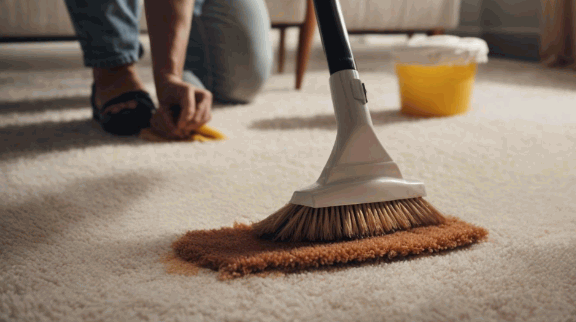
    Scrub Brush

    A scrub brush is a handy tool for agitating and loosening stubborn carpet stains, allowing for deeper penetration of cleaning solutions and effective removal of dirt particles.

    Different types of scrub brushes are suitable for various carpet fibers. For delicate carpets like wool or silk, opt for soft-bristled brushes to prevent damage. Stiffer brushes work well on tougher fibers like nylon.

    When scrubbing, remember to use gentle strokes to avoid tearing or fraying the carpet surface. It is crucial to test a small, inconspicuous area first to ensure the brush and technique are suitable for the carpet material. Always brush in the direction of the carpet pile to minimise potential damage.

    Vacuum Cleaner

    A vacuum cleaner is an essential tool for regular carpet maintenance, helping to remove surface debris, dust, and allergens to keep the carpet clean and fresh.

    Different types of vacuum cleaners are available on the market, each offering unique features catering to specific carpet textures. For high-pile carpets, a vacuum with adjustable height settings is ideal to prevent damage to the fibers. On the other hand, low-pile carpets require a powerful suction vacuum to effectively lift embedded dirt. Attachments such as crevice tools and upholstery brushes are useful for reaching tight corners and cleaning stairs.

    It is recommended to vacuum high-traffic areas at least twice a week and the rest of the carpet thoroughly once a week to maintain cleanliness and prolong the carpet’s lifespan.

    How To Remove Different Types Of Carpet Stains

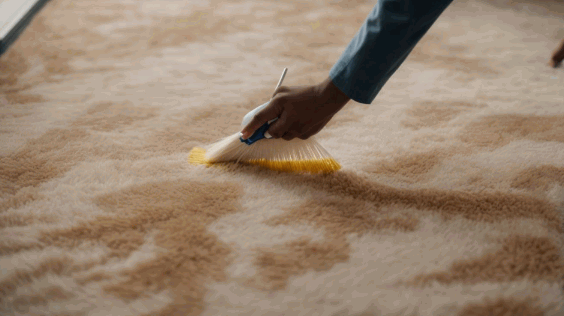
    Different types of carpet stains require specific treatment methods based on the nature of the stain, the carpet material, and the extent of the damage. Food and drink stains are common culprits that can be effectively removed from carpets by following a few steps.

    For instance, for spilled red wine or coffee, blot the area with a clean cloth or paper towel to absorb excess liquid. Then, mix a solution of warm water and mild dish soap and gently dab at the stain. Avoid rubbing, as it can spread the stain further.

    Pet accidents, such as urine or vomit, require prompt action to prevent odors and stains from setting in. Blot the area with a cloth, then clean with a mixture of water and vinegar to neutralise the odor.

    Dirt stains, often caused by soil being tracked indoors, can be tackled by vacuuming the area first to remove loose debris. For stubborn dirt stains, using a carpet cleaner or a solution of water and detergent can help lift the dirt off the carpet fibers.

    Food And Drink Stains

    Food and drink stains on carpets can range from simple spills to tough, set-in marks, requiring immediate attention and appropriate cleaning techniques for complete removal.

    Whether it’s a clumsy mishap during a dinner party or a spill from a morning coffee, tackling these stains quickly is key to preventing them from becoming permanent eyesores on your carpet.

    For smaller, fresh stains, start by blotting up as much of the spill as possible using a clean cloth. Then, mix a solution of equal parts white vinegar and water and gently dab it onto the stained area. Let it sit for a few minutes before blotting again with a fresh cloth.

    For more stubborn stains, create a paste using baking soda and water, apply it to the affected area, and let it dry before vacuuming up. Remember, the sooner you address the stain, the easier it is to remove.

    Pet Stains

    Pet stains pose unique challenges due to their composition and odor, necessitating specialised cleaning approaches and odor-neutralising techniques for effective removal.

    1. Enzymatic cleaners are particularly effective when it comes to breaking down the proteins in pet urine, eliminating both the stain and the odor. These cleaners work by targeting the source of the stain at a molecular level, ensuring thorough removal.

    For lingering odors, a mixture of vinegar and water can be used to neutralise the smell, leaving your carpets fresh and odor-free. To prevent re-soiling, it’s essential to promptly clean up any accidents and use positive reinforcement techniques to encourage good behavior in your pets.

    Regular vacuuming and steam cleaning can help maintain a pet-friendly environment and minimise future stains.

    Mud And Dirt Stains

    Mud and dirt stains can cling stubbornly to carpet fibres, necessitating a thorough cleaning process involving vacuuming, blotting, and targeted stain treatments.

    When dealing with mud and dirt stains on carpets, it’s essential to act promptly to prevent them from becoming deeply embedded. Pre-treating the stains with a mixture of mild detergent and warm water can help loosen the dirt before cleaning. For eco-friendly alternatives, consider using bicarbonate of soda or vinegar solutions to tackle tough stains effectively.

    Regular maintenance such as frequent vacuuming and spot cleaning can significantly reduce the chances of soil buildup, prolonging the life of your carpet and keeping it looking fresh and clean.

    Tips For Maintaining A Clean Carpet

    Maintaining a clean carpet involves regular hoovering, prompt stain treatment, occasional deep cleaning, and using protective measures to prolong the carpet’s lifespan.

    Establishing a consistent hoovering schedule is crucial to prevent dirt and debris from embedding deeply into the carpet fibres. Aim to hoover high-traffic areas at least twice a week, while other areas can be hoovered once a week. It’s also advisable to change the hoover bags and filters regularly to ensure optimal suction power.

    To prevent stains, address spills immediately by dabbing rather than rubbing, using a mixture of water and mild detergent. For deep cleaning, consider steam cleaning or professional cleaning services at least once a year for a thorough refresh.

    When To Seek Professional Help

    Professional carpet cleaning services may be necessary for tackling tough stains, high-traffic areas, and deeply embedded dirt that DIY methods struggle to address effectively.

    When dealing with specific carpet fabrics such as wool, silk, or delicate fibers, professional cleaning is highly recommended to avoid damage and ensure proper maintenance.

    For households with pets or individuals with allergies, professional cleaning can effectively remove allergens and pet dander that regular vacuuming may not eliminate.

    By choosing reputable cleaning services that use industry-standard equipment and environmentally friendly products, homeowners can benefit from improved indoor air quality, extended carpet lifespan, and a fresher, healthier living environment.

  • How to Use Plumbing Tape  In Multiple Ways

    How to Use Plumbing Tape In Multiple Ways

    Called by other names such as Teflon tape, polytetrafluoroethylene (PTFE), and plumber’s tape – the plumbing tape is considered a plumber’s best friend because of the multitude of uses it serves. Generally, it is used to seal pipe threads. Yet, do you know that there’s more to the plumbing tape than just this purpose? The rest of the article will give you insight into how to use it in multiple ways.

    Providing lubrication to threaded connections absent of built-in rubber seals.

    Assembly and disassembly of pipe joints are facilitated easily with the use of plumbing tape. To do this, wrap the pipe tightly with the tape, ensuring that it is in the proper direction. When the line is whirled into the fitting, the mating thread will provide the friction necessary to tighten the plumbing tape onto the pipe. You’ll need to wrap the tape around the line in the reverse direction of how the pipe will turn into the fitting.

    They are preventing leaks on most kitchen and bathroom fixtures.

    Photo Credit – Adobe Stock

    It is frustrating when leaks happen in the kitchen or the bathroom. They disrupt the ordinary activities conducted in these spaces. The use of standard tapes and sealants would not prove to be successful after a few hours or days. Instead, it will cause you to scout for ways to prevent the water from escaping the pipings and fittings. So it is when plumbing tapes prove to be very useful and efficient. A few wraps of the tape around the leaking part ensure to seal a stop on it. Rest assured that you can have peace of mind that leaks won’t occur for long until you decide to change an entire line.

    Uses in other industries

    If you think that the plumbing tape is for the plumbing industry only, you might be surprised to find that it has become flexible enough to become a valuable tool in other sectors. This section will let you know more about plumbing tape and how to use it in different industries.

    The plumbing tape found uses in other industries because of the tensile strength, low-friction, and hydrophobic properties. For example, in the automotive industry, a similar material is found on windshields and door seals. In the fashion industry, the material gives clothes the water-resistant feature that makes several brands high-end. Would you also believe that the material used in plumbing tape is also the same material used to reduce friction in skis and snowboards?

    The versatility of the material known as Teflon, used in plumbing tape, will undoubtedly continue to evolve to a product manifesting multitudes of uses for years and decades to come.

    Colors of plumbing tape

    The versatility of plumbing tape and how to use it are well-symbolized by the variations in colour. In addition, the colours are reflective of the grades assigned by the American Society of Testing and Materials (ASTM).

    White tape implies single density. Therefore, it is very applicable to water pipes. However, a variation exists in silver, grey or black which is more suitable for brass and stainless steel thanks to it being thicker and heavy duty. On the other hand, the yellow colour indicates that the tape is of double density, making it suitable for gas and fuel lines.

    Triple density plumbing tap exists as a red variation. These are suitable for pipes that are one-half inch to an inch. Commonly, this variant is used for large-jointed pipes like water distribution pipes. Lines carrying oxygen are best kept away from leaks by green-coloured plumbing tapes.

    Advantages of using plumbing tape

    When looking for plumbing tape and how to use it, you will weigh the benefits it brings to users. The primary advantage it gives is anchored on its name, being able to provide users a tool that is very crucial for safety and that is concealing leaks. Often than not, many household owners would tend to forego the fact that leaks are safety hazards. Instead, they usually resort to do-it-yourself measures, implementing solutions to fix leaks using inferior types of types.

    Photo Credit – Adobe Stock

    Plumbing tapes, because of their water-resistant characteristic, is also beneficial in reducing friction between two pipes. However, fusing them can prove very difficult, especially if there are no rubber seals built on them. Yet, by wrapping the opposing pipes properly with the plumbing tape, they can be held together firmly, not just by binding them together with the tape but by becoming the medium for the opposing pipes to be assembled and disassembled faster.

    Choosing the suitable plumbing tape

    Using the plumbing tape should not be confined solely to the hands of plumbers, because more often than not, it is the household owners who typically embark on fixing the plumbing. But with multiple kinds and brands available in the market, choosing it becomes problematic. So, how are you going to select the suitable plumbing tape for your household plumbing needs?

    Knowing the sizes of the pipes in your kitchen and bathroom can help you purchase the correct variant to stock. In addition, it ensures that you’re not empty-handed when situations already call for their use.

    Photo Credit – Adobe Stock

    It is also imperative to correctly associate the plumbing tape colour with the pipe it is intended for. The colours of the plumbing tapes serve as clues as to which substances are flowing or running onto them. Therefore, please do not use a particular plumbing tape colour for which they are not intended. In addition, it eliminates possible problems related to not being able to withstand the substrate pressure.

    Conclusion

    Plumbing tapes are equally essential tools as with other kinds of plumbing tools. However, knowing the characteristics, types, advantages, and appropriately used contribute a lot to being self-educated on why they are essential and why there is a need to have them available at once when specific pipes in the house need servicing.

    Performing regular checks on the plumbing pipes and fixtures is an essential thing to do. When doing this, always arm yourself with plumbing tape to ensure that you’ll be able to conceal leaks as soon as they are found.

    Now that you have all you need to know on the humble plumbers tape, why not take a look into our blog section where we go into detail regarding the Standard Door Sizes UK and How To Replace Flexible Hose Under A Sink. Just to name a choice few of our ever expanding blog section,

  • Nifty Tips on Vinegar Cleaning

    Nifty Tips on Vinegar Cleaning

    Vinegar is just nifty!

    Unclog the sink

    The nasty things hiding in the drain can be put away with just a little vinegar + baking soda:

    • Pour the baking soda first (half a cup)
    • Add the vinegar.
    • Wait out the foaming from the mild chemical reaction and wash it off with hot water.

    White appliances

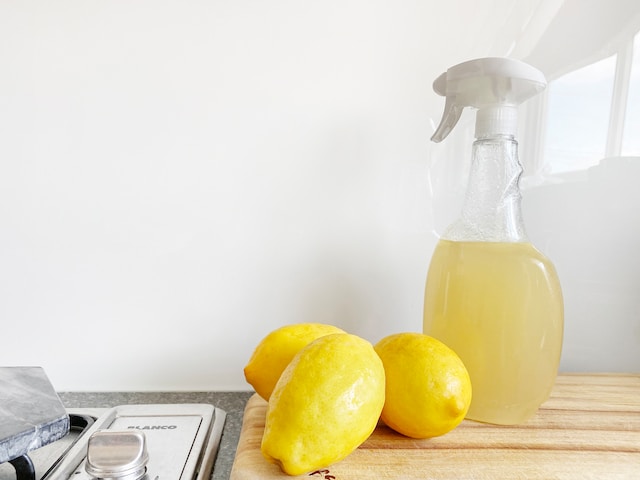
    The cleaning solution is consisted of 1:1 water to white vinegar and just little dish soap. It doesn’t matter if it’s your dishwasher or fridge this home made cleaner will work for you.

    Keep in mind that the same can be used on the inside of the fridge for removing food stains and getting rid of gross smells.

    The mixture is also ideal for window cleaning (except without the dish soap), just remember to use newspaper instead of a rag.

    Microwave + Oven

    Cleaning experts Fantastic Cleaners say: Where the food deposits are a bit more persistent you can do the following:

    • get a heat resistant (glass preferably) bowl.
    • fill it with your white vinegar and water solution.
    • Heat up until it boils.

    The evaporation will weaken the food soils, which then can be easily wiped off.

    Glue stains of tape and stickers

    • Pure white vinegar will do the trick here.
    • Spray the spot and wait for about 2 to 3 minutes.
    • You can now scrub it for good.

    Room & trash can odours

    To defeat the unpleasant smells you will have to soak a slice of bread in white vinegar. Leave it in the smelly room as close to the source as possible (ideally leave it in the rubbish bin) and wait until the next day.

    Overnight the vinegar will absorb any horrible smells haunting the place.

    Even a toilet cleaner

    It goes the same as with unclogging the drain, with the slight difference that you need to let the vinegar sit overnight.

    • Pour a whole water glass of it in the bowl and wait until tomorrow.
    • When you come back throw in half a cup of baking soda.
    • Time to scrub what’s left and flush it away!

    This method can be used all over the bathroom. If you want to clean a certain surface and get rid of the mean germs – wipe with white vinegar in two tours with a 15 minutes interval.

    After half an hour, sprinkle with baking soda and use hot water to rinse.

    That one stain on your sofa

    Get yourself a spray bottle and craft the following mixture – 1 part white vinegar and 2 parts rubbing alcohol. Saturate the area, wait 2 minutes and then spray with water or wipe with a damp cloth.

    Get rid of fruit flies

    If you consider getting rid of annoying fruit flies cleaning then this is for you.

    • Fill a small cup with apple cider vinegar
    • Cover the top with tinfoil or cellophane
    • Pierce a few holes.

    You just made a one-way trap for all the fruit fly invaders.

    Sunglasses cleaner

    Sprinkle a very soft cloth with a little white vinegar and wipe them clean. Enjoy your no longer dimmed vision.

    The cooking pan

    Boil 50% white vinegar + 50% water in your old pan for about 5 minutes and behold the food soils being dissolved.

    Leather shoes refresher

    The vinegar to water proportion for cleaning leather shoes or jackets would be 3 parts of water and 1 part vinegar.

    Dirty keyboards

    if you dampen a rag with vinegar and carefully wipe the keyboard and between the keys, you will not only clean it but sterilise it as well.

    Inside the dishwasher

    If the dishwasher has those hard water build ups already, you can fill the soap dispenser with vinegar and run it on “pots and pans” mode. Remember to remove the inner basket beforehand.

    Wood clearance

    To restore the look of your favourite wooden furniture you would need to mix ¼ cup of vinegar with ½ cup of vegetable oil. Give it a gentle wipe.

    Bonus: this same solution works wonders for your stainless steel utensils.

    Blocked shower head

    Pour some white vinegar in a plastic bag and then wrap it around the clogged shower head. Leave it overnight. It would be wise if you secure it with a rubber band as well. The next morning remove the bag and as always – rinse with hot water.

    Bathroom mould

    The recipe for this one is 1 part sodium borate (Borax), 2 parts vinegar and 4 parts water. Actively stir for 30 seconds and then take a paper towel. Dip it in and use it to remove the mould spots.

    Things you shouldn’t clean with vinegar:

    Irons – the iron’s inner parts are sensitive to the vinegar and may become damaged. DO NOT fill your iron with vinegar. If you want to avoid clogging simply empty its container after every use.

    Egg stains – if you had the misfortune to drop an egg – vinegar is NOT your friend. It will make the egg change to a semi-solid state making it more difficult to remove. Sprinkle a good amount of salt on the egg and wait for 15 minutes. After that the egg will be coming off easy because the salt is hygroscopic.

    Stone, Granite and marble surfaces – the acidity of the vinegar is not at all good for those. Instead – dish soap would be a great option here.

  • How to Replace Flexible Hose Under A Sink

    How to Replace Flexible Hose Under A Sink

    Modern Bathroom
    Photo Credit – Pixabay

    After a recent bathroom renovation everything was perfect, the tiles were cleaned, rubbish and debris cleared, leaving me with a pristine modern bathroom. But after a few days, I noticed a small pool of water coming from underneath the new sink (thank goodness it wasn’t a blocked toilet!). After a quick inspection the culprit was exposed, a slow, but steady drip of water was coming from one of the flexi hoses connecting the water supply to the new mixer tap.

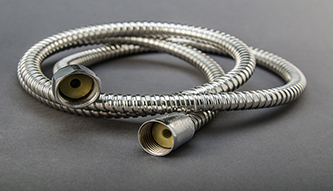
    Sooner or later, your flexible hose will need replacement. This may be because of issues, or it’s just worn out. Fortunately, replacing a flexible hose doesn’t have to rob you of your money. If you know the right way of doing things, you can just invest effort and minimal costs. In this post, I’m going to give you the low down on how to replace this little piece of hosing!

    Step 1: Prepare Your Working Area & Materials

    First and foremost, you should prepare your working area for the replacement process. Although replacing a flexible hose is not an extensive job, you should still ensure that the environment, a.k.a. the sink, is ready for the tasks to come.

    To do this, you should make sure that the place under your sink is clean. Dry the pipes with a cloth and ensure that no algae or moss are surrounding them. In this way, the process will be easier and more hygienic.

    In addition to the working are, you should also prepare all the materials beforehand, you can get these pieces from your local DIY shop. These include:

    • Towel or any other cloth for cleaning
    • Wrench
    • Pliers
    • New flexible hose
    • Thread sealing tape/Plumber’s tape

    Make sure that your new flexible hose has the same measurement as the old one’s. If not, the process won’t be possible due to fitting issues.

    Step 2: Turn Off The Water Supply Valve

    Photo Credit – Pixabay

    Once the working area is ready, proceed to turn off the water supply valve. This is necessary as not doing so will lead to the water going all over the place later on.

    If you’re not familiar with the valve’s location, simply trace the pipes that connect the tap to the supply line. Usually, that is where you’ll find it. For households that have both cold and hot water, there will be two valves for that. Turn both off to prevent water-related issues.

    In terms of turning a valve off, you just need to turn them to the right. Follow the clockwise rotation.

    Step 3: Remove Excess Tap Water To Avoid Pressure

    Turning off the water supply doesn’t get rid of those that are stored in your tap. Removing them is also required to avoid high water pressure after the replacement process. In addition, it will prevent leaks when the hose is removed.

    To remove the said excess water, turn on all of the tap on the certain sink. These apply to taps for hot water, cold water, and regular ones. Turn them off once nothing is coming out.

    In some cases wherein the taps’ water supply is still continuous, you have to look into the valve’s issue first before proceeding to hose replacement. You may need a plumber for this concern.

    Step 4: Check The Current Flexible Hose For Leaks & Other Issues

    If the valves and taps are all working properly, you can move on to the fourth step. Here, you have to check the condition of your current flexible hose. This will give you an overview of its existing issues, and thus, you’ll know if you can proceed to replacement.

    For minor issues like leaks and rust, you can go on to the next tasks. However, if there are hazards involved, you should call a professional. These can involve chemical-related damages and likes. For leaks, make sure to lay down a towel, or any absorbent cloth, before moving on.

    Step 5: Remove Current Flexible Hose

    In this step, you need to remove and detach your current flexible hose. If it’s still in a somewhat good condition, you can simply turn the hose around. This is the same thing as removing a bottle’s cap. On the other hand, if it’s difficult to detach the hose, use an adjustable wrench. The tool will loosen the hose and will make it easier for you to remove it.

    Encountering minimal drips despite the shut-off valve is normal.

    Step 6: Check The Valve & Sink Line For Unattended Parts

    For very old hoses, their parts can get loose over time. Thus, when you have removed your flexible hose, check both the valve and sink line to see if it left some parts like the rubber gasket. If so, you need to remove it with the use of pliers. This will ensure that the new hose can fit just right with your pipes, difference in pipes may cause an issue.
    Note that if there is any part left on the sink line, you need to take extra care in removing it. In this way, you won’t damage your threads.

    Step 7: Wrap Threads With Sealing Tape

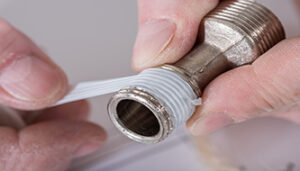
    After removing the old hose, you will be left with threads. You have to dry it and wrap it with sealing tape. This will make it more durable. In addition, it will ensure that the threads and the new hose can fit in better.

    In certain thread types and hoses, sealing tape is not necessary. Usually, this applies to flexible hoses that come with a rubber gasket. Nevertheless, make sure to ask the store where you bought the hose about this topic.

    Step 8: Install Your New Flexible Hose

    For this next task, you can finally attach the new hose to your threads. Just connect the hose in the same way as the old one. To be specific, you have to connect both the tap end and the hose end.

    You need to tighten the ends, either by hand or through the use of a wrench, to make sure that they will stay put. Again, you need to follow the clockwise rotation.

    Pay attention to how much you tighten the hose. Overdoing it can cause damage to the threads, and thus, a faulty performance.

    Step 9: Check The Performance Of Your New Hose

    After replacement, you can now check your hose’s performance. To do so, you can simply turn the valve and the tap on. Regular water flow can take minutes because of the valve. Also, you should check out if the hose you attached leaks while the water is on. Take note of other related issues as well.

    If there are no issues with the threads, the hose, or the water supply, you’re all done with the replacement process.

    Summary

    The tasks above are the simplest ones to do when it comes to how to replace flexible hose under the sink. As long as you follow the steps, you will end up with a new and fully functional flexible hose in no time. To ensure that the results will be of high quality, you should pay attention to how you will perform the tasks.

    If the problem persists you might want to swallow your pride and seek the assistance from a locally situated and qualified plumber or plumbers, that are qualified as it maybe something else entirely!

    Now that you have sorted your bathroom problem, head on over to our fine blog section. We have articles that cover a range of topics including bedroom renovations and creating your own DIY makeup vanity unit!

  • Standard Door Sizes UK

    Standard Door Sizes UK

    When renovating, refurbishing or giving your home a ‘makeover’, one thing that can really enhance a place is the choice of doors. You’d be forgiven for assuming that this should be a reasonably simple task. But anyone who has tackled this in the past will know that it isn’t as straightforward as you might have thought. There are codes and guidelines as to standard UK door sizes, but the reality can be quite different. In the UK we have a vast range of housing from different ages, all constructed by different people at different times. While most modern builds tend to use standard sizes, this isn’t always the case. Confusion also arises when some manufacturers and suppliers use metric measurements while others opt for imperial ones.

    So it pays to be prepared and to be armed with the knowledge to guide you through the process of measuring and selecting the right one.

    International Residential Code

    Most people won’t even be aware that this exists! However, this code actually stipulates that all primary doors (ie, your main front entrance) should be at least 80 inches in height and 36 inches wide. The opening of the average UK front door happens to be 82.5 inches by 38 inches, and the majority of modern doors in the UK are designed to fit this.

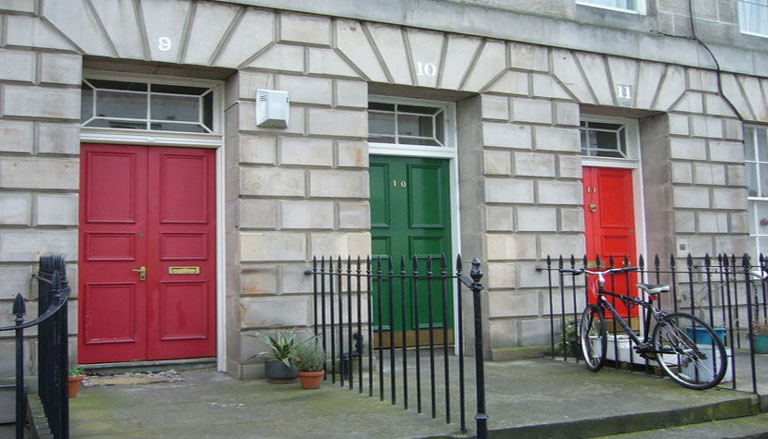
    To make things more interesting, however, not all doors will be standard sizes – particularly when the house is a ‘period property’. where average sizes tended to be much smaller or extremely large (for example, in an Edwardian house). In these cases, it may be necessary to have a new door custom-made.

    Different door types

    Before looking at standard UK door sizes, you also need to think about what kind of door you are talking about:

    • External door
    • Internal door
    • Bifold door
    • Fire door
    • Garage door
    • Patio/French door

    Each of these will have a different range of measurements and other factors to consider.

    Standard UK door sizes – interior

    The following guide shows the most common standard sizes for interior doors in England & Wales. These are different in Scotland (and the rest of Europe).

    • Wardrobe or cupboard doors – 1981 x 457/533 x 35mm (78″ x 18/21″)
    • In areas of restricted wall space (or where a small door is required) – 1981 x 610/686 x 35mm (78″ x 24/27″)
    • The most common standard in England & Wales – 1981 x 762 x 35mm (78″ x 30″ – also referred to as 2′ 6″)
    • Wheelchair access – 1981 x 838 x 35mm (78″ x 33″ – also referred to as 2′ 9″)

    In Scotland, the main difference is an increased height and thickness. Measurements are usually given in metric and the standard dimensions are as follows:

    • 2040 x 526/626/726/826/926 x 40mm

    Standard UK door sizes – exterior

    Most external doors in the UK are 44mm thick, though it will depend on the type of door required. Fire doors will be thicker, between 44mm and 54mm, and French doors, patio doors or bifold doors could be as much as 70mm thick.

    The most commonly used standard sizes for exterior doors are:

    • 1981 x 762 x 44mm (70″ x 38″)
    • 2032 x 813 x 44mm (80″ x 32″)
    • 1981 x 838 x 44mm (78″ x 33″)
    • 2083 x 864 x 44mm (82″ x 34″)
    • 2134 x 915 x 44mm (84″ x 36″)

    Measuring your door correctly

    This is extremely important and could save you a lot of time, money and frustration. Although standard UK door sizes are widely available, there is a good chance that your doors (and, more importantly, their frames) are not standard. In this case, it is advisable to go slightly larger and trim them down – but this will obviously only work with solid wood doors.

    Bear in mind, also, that fire doors cannot be trimmed. Non-standard sized interior fire doors might have to be made to order. Fire doors will also be slightly thicker (usually 45mm) to allow for the extra fire-resistant materials that qualify its ‘fire rating’.

    To measure your door correctly, follow these steps:

    Width

    Run a measuring tape in a straight line across the door from left to right, close to the upper corners. Measure from edge to edge, on the door only – do not include any part of the frame or any other features such as weatherstripping, seals, or insulation. Write down the number (you’re bound to forget it or remember it wrongly!) and repeat the process, ideally at the middle and lower section. This is because doors are sometimes not precisely rectangular (more likely in the case of older doors) and you may find a slight discrepancy in places. If this is the case, when purchasing your door you should go with the larger measurement.

    Height

    Run the measuring tape in a straight line from the top of the door to the bottom, from edge to edge, ignoring all other features such as seals or ‘sweeps’ (as above). Do this in both corners, for the same reasons as given in the instructions for measuring the width.

    Thickness

    Measure the edge of the door and write it down with your other measurements. It wouldn’t hurt to measure the door jamb too (the corresponding edge on the door frame) as the two figures should ideally match.

    For more exact dimensions, measure the inner part of the frame, taking three measurements across the width and one from top to bottom, taken at the centre of the frame from the inside right down to the floor.

    A measuring tape will do the job, but for those who prefer something more high-tech, a range of laser distance measuring devices are available, as well as apps that can be downloaded to your smartphone.

    Investing in good quality doors, both internal and external, not only adds style to your home, but it also increases the appeal – and therefore the potential value. Getting the right size is vital if they are going to look good and function properly.

  • Our Kwikstage Scaffolding and Its Uses Review

    Our Kwikstage Scaffolding and Its Uses Review

    Construction workers planning a renovation

    (Image Source)

    Kwikstage (Quick Stage) Scaffolding Review

    We have had to utilize scaffolding companies in the past when doing extensive exterior renovations for clients and have came across various methods. We have often had to explain the the customer the extent of the work and the resulting increase in cost and so thought it would be a good idea to place it as a post for future reference.

    Occupational hazards make up a major portion of hospital visits worldwide. It may come as no surprise that the industry contributing the most towards these visits is the construction industry. Booming cities and rapid expansion call for more and more construction sites to go up. This, in turn, calls for several safety operations to be implemented.

    Safeguards and regulations have been implemented by concerned authorities and several safety products have been designed. Of these products, the most well-known would be a scaffold. Scaffolding is essentially a frame made up of aluminium, timber, or steel. The various components are attached in the manner that follows the site’s architecture. 

    Scaffolding is used at construction sites primarily to ensure worker safety when working at elevated heights. The workers place themselves on this scaffolding structure and secure themselves when going higher. These systems are of numerous kinds, but they work on the common principle of ensuring safety and strength.


    Kwikstage (Quick Stage) Scaffolding System:

    Kwikstage scaffolding systems (read: quick stage) are speedy scaffolding solutions used at construction sites. Their entire design follows an easy pattern of setting, usage, and dismantling. The quick set up allows for saving money, time, and workload. Kwikstage scaffolding systems were introduced following rapid urbanization. Construction crews were met with shorter deadlines and larger projects.

    Kwikstage scaffolding is often referred to as a modular system. Safety experts and contractors refer to it as a simple, but versatile grid. The framework is formed by an adaptable framework or fastener-free braces. This system is not solely used to erect houses or large scale buildings. Anywhere from house painting and air conditioner installation to building construction, calls for the Kwikstage framework.

    By modular, the scaffolding system is said to incorporate various single components that join together flexibly. They can be used in any construction site without added appendages or equipment. Single components are easier to carry, stack, and transport while also being cost-effective. The braces and brackets join together to attach any loose components. Hence, the Kwikstage scaffold stays in place and has a stable vertical alignment.


    Basic Components of Kwikstage Scaffolding Systems:

    The Kwikstage scaffolding systems come with four major components. Namely; standards, ledgers, a basic jack, and hook on boards. Besides the basics, there might be other components added by construction crews to increase flexibility and adaptability according to various sites.

    Having far fewer parts than traditional scaffolding systems makes the Kwikstage scaffold highly efficient. Not only in its use, but also in its cost. As a construction site manager, you will be saving money on workload and also ensuring safety.

    1. Standards:
      Also referred to as uprights, standards are the vertical tubes that support the weight of the entire structure. They are made to rest on the basic jack. Their design calls for heavy load-bearing and adaptability. Standards come in several sizes. Anywhere from light 500 to up to 3500.
    2. Ledgers:
      Ledgers are horizontal tubes used to connect one standard to the other. Along with the standard, the ledgers make up the basic design of the entire scaffold. They come in several sizes. 600, 900, 1000, 2500 and 3000 are the most commonly used ones.
    3. Basic Jack:
      At the base of the structure, we have the basic jack. This forms the very foundation of the entire framework. The ledgers and standards are made to rest on the basic jack. In effect, the basic jack serves the same purpose as the foundation of a house.
    4. Hook on Boards:
      The kwikstage scaffold is made to elevate workers to heights whilst also making sure that their work is not compromised. Hook on boards has a no-slip surface. They are attached to the ledgers to form a working platform.


    5. Diagonal Brace:

    Diagonal braces are used as supporting structures to make sure that the scaffold tower remains stable.


    Uses of a Kwikstage Scaffolding System:

    1. Easy and Efficient Set-Up:
      Kwikstage scaffolding, as the name implies, is faster than the traditional system in erecting your site’s basic framework. It takes comparatively fewer workers to form the scaffold and ultimately do the job than with other scaffolding systems. Hence, you not only save money on time, but you also save money on labour.
    2. Simple Use:
      Erecting the framework takes a minimal amount of time and even less effort. Four horizontal brackets can be attached to a single pressing in one swift move. Kwikstage scaffolding is much more flexible in its use and can be used even on uneven surfaces. The product is both versatile in its use and safe too.


    3. Adaptable To Any Site:

    Kwikstage systems, or quick stages, are designed in such a way to adapt easily to different sites. Different sites call for different situations and different situations usually call for different equipment. With the kwikstage scaffolding system, you can adapt to any site and situation without new equipment.
    The basic components of the scaffold are enough for any site. However, a few appendages are available for the crew’s own needs or want.


    4. Multipurpose:

    When first introduced, kwikstage scaffolding was marketed to serve centre bays and shoring floors. However, the system has the added benefit of being moulded in several shapes making it adaptable to any site or situation.

    1. Safety:
      Construction crews are being contracted on an almost daily basis. This might be due to the rapid industrial boom in cities. However, with added workload comes added costs. Recall the very beginning of this article and you will see that some hospital visits were reported particularly while working in construction.
      Safety comes first. No matter how big or small the job is. Kwikstage systems are flexible but sturdy and they are adaptable, but pressure bearing.
    2. Cost-Effective:
      Kwikstage scaffolding systems are very cost-effective given the versatility in their use and the limited number of appendages.


    Conclusion:

    Quick stage or Kwikstage systems, are versatile scaffolding systems intended to be used to elevate workers to heights. Construction crews are often met with several hazards given the limitations of the equipment. More equipment calls for more money, more manpower, and more energy. Understandably, not everyone can afford the costs. However, even more, pressing is the safety issue.

    Thus, kwikstage scaffolding systems act as a simple and effective solution to meet any construction need. The system is, nevertheless, not limited to be used in construction. They can be used to paint houses or install fixtures. Anything that requires height.

    Are you a construction crew manager or do you own a construction company? Instead of investing in one-time use only equipment with hefty manuals and thousands of parts, get a kwikstage scaffolding system today!

    The quick stage scaffolding system is a one-time buy that will save you loads upon loads of money in the long run. Think of the machinery as more of an investment than anything else. Get your hands on one today and start working your way up to the top.