Interior Design

  • Can You Convert The Attic Into A Living Space

    Can You Convert The Attic Into A Living Space

    Are you looking to maximise the space in your home and increase its value? Converting your attic into a living space could be the perfect solution.

    We will explore the benefits of transforming your attic, the steps involved in the conversion process, common challenges you may face, and the costs associated with the project.

    Whether you’re considering a basic conversion or a high-end transformation, we’ve got all the information you need to make your attic renovation a success.

    What Is An Attic?

    An attic is a space found directly below the pitched roof of a house or other building, often used for storage but with the potential to be converted into additional living space or a functional loft area.

    Historically, attics served as versatile spaces, adapting to the needs of the occupants. In older homes, attics were commonly used as maid’s quarters, where domestic helpers resided. During wartime, attics provided shelter and storage for valuables. Today, attics are increasingly being transformed into home offices, cosy bedrooms, or entertainment rooms, adding value to the property. The unique roof structure of attics, with sloped ceilings and exposed beams, creates a charming and character-filled ambiance, making them ideal for creative design possibilities. With proper insulation and ventilation, attics can offer a comfortable and functional living area.

    Discover more: How Much Insulation For Loft Conversion

    What Are The Benefits Of Converting An Attic Into A Living Space?

    Converting a loft into a living space offers numerous benefits, from increasing the overall living area of your home to adding significant value to the property, making it a highly desirable renovation project for many homeowners.

    Increases Living Space

    One of the primary benefits of a loft conversion is the significant increase in living space it provides, allowing homeowners to create an additional room without altering the home’s footprint.

    These versatile spaces can be transformed into a guest bedroom, providing a cosy retreat for visitors, or a home office that offers a quiet and productive environment. The loft’s unique layout often allows for creative design choices, such as incorporating roof lights to bring in natural light and exposed beams for a charming aesthetic.

    Adds Value To The Home

    An attic renovation can substantially add to the property value of a home, making it an attractive option for homeowners looking to maximise their investment.

    This trend is particularly prominent in the property market, where homebuyers are increasingly seeking properties with added living space and unique features.

    By converting an unused attic into a functional living area, homeowners can significantly increase the overall appeal and marketability of their property. Not only does this renovation provide additional square footage, but it also enhances the overall aesthetics and functionality of the home, attracting potential buyers who are willing to pay a premium for these upgrades.

    Cost-Effective Home Expansion

    Compared to building an extension, an attic remodel is often a more cost-effective solution for homeowners seeking to expand their living space.

    Not only does converting an attic typically cost less than constructing an extension, but it can also offer significant savings on building materials, labour costs, and permit fees. The renovation process for an attic conversion tends to be more efficient and less disruptive compared to other forms of home expansion, allowing homeowners to enjoy their newly enhanced living space sooner. Utilising the existing structure of the house for an attic remodel can result in lower overall project expenses and quicker completion times.

    What Are The Steps To Convert An Attic Into A Living Space?

    Converting a loft into a living space involves several key steps, from assessing the current loft space and obtaining necessary building permits to planning the layout and ensuring proper insulation and ventilation.

    Assess The Attic Space

    1. The first step in converting a loft is to thoroughly assess the loft space, including the structure of the roof, trusses, and joists, to determine if any structural alterations are needed. Assessing the loft’s structural integrity is crucial as it ensures the safety and stability of the space for future use.
    2. Ceiling height must be evaluated to ensure there is enough headroom for comfortable inhabitation. The floor area needs to be measured accurately to determine the potential usable space. Examining the condition of the trusses and joists is essential to identify any signs of damage or weakness that may require reinforcement or repairs. Taking these factors into consideration early on can prevent costly issues down the line and provide a solid foundation for your loft conversion project.

    Check Building Codes And Permits

    Before proceeding with any construction, it is crucial to check local building codes and obtain the necessary building permits to ensure the attic conversion complies with all relevant building regulations.

    Adhering to building regulations is not just a legal requirement but also crucial for your safety and the structural integrity of your property. Building permits serve as a formal approval from the local authorities, indicating that your project meets all necessary standards.

    Failure to obtain the required permits can lead to costly fines, project delays, and even having to undo completed work. The process of obtaining a building permit involves submitting detailed plans, paying fees, and undergoing inspections throughout the construction phase.

    Local building codes are designed to ensure that structures are built safely, taking into account factors like structural stability, fire safety, and accessibility. Challenges may arise if your project does not align with these codes, requiring modifications or potential redesign.

    Plan The Layout And Design

    Planning the layout and design is a critical step in an attic conversion, requiring careful consideration of the available space and the placement of essential features like stairs and windows.

    When designing an attic conversion, the stair design plays a crucial role in ensuring efficient use of space and convenient access between floors. The location of windows is also vital for natural light intake and ventilation, contributing to the overall ambience of the space. It’s essential to consider the maximisation of usable floor area by strategically placing furniture and storage solutions while maintaining a sense of openness and flow. A well-thought-out layout can transform an attic into a functional and inviting living space.

    Insulate And Ventilate The Attic

    Proper insulation and ventilation are essential for making a loft comfortable and energy-efficient living space, requiring the installation of adequate loft insulation and ventilation systems.

    In terms of selecting insulation materials for your loft, there are several options available. Common choices include fiberglass battscellulose insulationspray foam, and mineral wool. Each of these materials offers different levels of thermal resistance, ease of installation, and cost-effectiveness.

    Choosing the most suitable insulation material according to your loft’s specific needs and climate conditions is crucial for maintaining consistent indoor temperatures and reducing energy costs.

    Add Flooring And Walls

    Once the attic is properly insulated, the next step is to add flooring and walls, starting with the installation of a sturdy subfloor and constructing the necessary attic walls for the new living space.

    In terms of flooring, choosing the right materials is crucial for long-term durability and comfort in your attic. Opt for moisture-resistant materials like engineered wood, laminate, or vinyl, which can withstand the attic environment.

    For the walls, consider using insulation panels or plasterboard to enhance the energy efficiency and aesthetics of the space. Proper insulation will help regulate temperature and reduce noise transfer, creating a cosy atmosphere.

    Install Electrical And Plumbing

    Installing electrical wiring and plumbing is a critical step in converting an attic into a functional living area, requiring careful planning and adherence to safety standards.

    One important consideration during the installation process is ensuring that the electrical wiring and plumbing systems are up to code to prevent any potential hazards. Proper insulation and protection of the wires and pipes are crucial to avoid any damage or leakage. Professional assistance is highly recommended to guarantee that all work is done correctly and meets safety regulations. Consulting with a licensed electrician and plumber can help in determining the most efficient layout for the systems in the attic space.

    Furnish And Decorate The Space

    The final step in an attic conversion is to furnish and decorate the space, adding lighting, furniture, and personal touches to create a cosy and inviting living area.

    When furnishing an attic, consider using space-saving furniture such as multipurpose pieces like sofa beds or built-in storage units.

    Opt for effective lighting solutions to brighten up the space, such as recessed lighting or strategically placed floor lamps.

    Get creative with design ideas by incorporating cosy textiles, like rugs and throw blankets, to add warmth and dimension.

    Utilise the unique architecture of the attic, such as exposed beams or dormer windows, to enhance the character of the room.

    By combining practicality with style, you can transform your attic into a functional and stylish living space.

    What Are The Common Challenges Of Converting An Attic Into A Living Space?

    Converting a loft into a living space comes with its own set of challenges, from dealing with limited headroom and sloping ceilings to ensuring adequate natural light and ventilation, as well as addressing any structural alterations that may be required.

    Limited Headroom And Sloping Ceilings

    One of the main challenges in converting a loft is dealing with limited headroom and sloping ceilings, which can impact the overall layout and usability of the space.

    When facing such constraints, employing creative loft design techniques can make a significant difference. Leveraging built-in storage solutions under eaves or constructing bespoke furniture that fits seamlessly into the sloped areas can maximise every inch of available space.

    Strategic furniture placement is another key aspect to consider. Opting for low-profile furnishings can help maintain a sense of openness while choosing multifunctional pieces can serve dual purposes without overcrowding the room. Utilising decorative mirrors and clever lighting can create the illusion of taller ceilings and a more spacious atmosphere.

    Insufficient Natural Light And Ventilation

    Ensuring sufficient natural light and ventilation can be a challenge in loft conversions, often requiring the installation of dormer windows or roof lights to enhance the space’s habitability.

    Beyond just improving the aesthetics, natural light, and ventilation play a crucial role in creating a healthy and comfortable environment in lofts. Proper ventilation helps prevent moisture build-up and mould growth, which are common issues in enclosed spaces like lofts.

    Incorporating dormer windows not only allows more daylight to filter in but also enhances the airflow circulation, making the space feel more open and welcoming. By combining these solutions, homeowners can transform their loft into a functional and pleasant area that adds value to their home.

    Structural Limitations

    Structural limitations, such as the presence of trusses and joists, can pose significant challenges during a loft conversion, often requiring careful planning and potential structural alterations.

    One common challenge encountered when converting a loft space is dealing with the existing trusses and joists that might obstruct the desired layout or hinder the installation of utilities. To address this issue effectively, it is crucial to engage a professional structural engineer to assess the load-bearing capacities and devise suitable solutions.

    A professional assessment will help determine if modifications are necessary to strengthen the existing trusses or joists or if additional support structures need to be incorporated to ensure structural integrity.

    How Much Does It Cost To Convert An Attic Into A Living Space?

    The cost of converting a loft into a living space can vary widely depending on the scope of the project, ranging from a basic conversion involving insulation, flooring, and walls to a high-end renovation with bespoke features and professional design services.

    Basic Conversion (Insulation, Flooring, Walls): £5,000 – £15,000

    A basic loft conversion, which includes essential elements like insulation, flooring, and walls, typically costs between £5,000 and £15,000.

    In terms of insulation, there are various options available, such as fibreglass, foam, or cellulose, to ensure your loft stays warm in winter and cool in summer.

    For flooring, choices range from hardwood, and laminate, to carpet, providing both durability and aesthetics, depending on your preferences.

    The wall construction in a loft conversion is crucial to ensure structural integrity and proper division of space, often involving drywall, plaster, or panelling, based on the desired finish.

    All these elements combined contribute to the overall cost, which also includes labour, permits, and any additional fixtures or design aspects you may opt for.

    Mid-Range Conversion (Insulation, Flooring, Walls, Electrical, Plumbing): £20,000 – £50,000

    A mid-range attic conversion, which involves more comprehensive upgrades such as electrical wiring and plumbing in addition to insulation, flooring, and walls, can cost between £20,000 and £50,000.

    Adding electrical wiring and plumbing to a mid-range attic conversion brings added functionality and convenience to the space. With these installations, you can easily incorporate lighting fixtures, outlets, and potential bathroom facilities, enhancing the overall livability of the attic. Whilst the cost may seem significant, the benefits of a well-equipped attic can outweigh the initial investment. The inclusion of these features not only increases the versatility of the space but can also add value to your property in the long term.

    High-End Conversion (Insulation, Flooring, Walls, Electrical, Plumbing, Custom Features): £50,000+

    A high-end loft conversion, which includes premium upgrades like bespoke features, high-quality materials, and professional design services, typically costs £50,000 or more.

    When opting for a high-end loft conversion, it’s important to consider the additional costs associated with custom elements such as intricate woodwork, unique architectural details, and luxurious finishes. These bespoke features enhance the overall aesthetic appeal and functionality of the space, creating a truly bespoke living environment.

    The high-quality materials used in premium renovations not only enhance the visual appeal but also ensure durability and longevity, reducing the need for frequent repairs or replacements in the future. Investing in a premium renovation can significantly increase the value of your property and provide a luxurious living experience that is tailored to your unique preferences and lifestyle.

  • How Much Insulation For Loft Conversion

    How Much Insulation For Loft Conversion

    If you’re considering a loft conversion, you may be wondering about the importance of insulation in the process.

    We explore the various types of insulation available for loft conversions, the recommended thickness for optimal efficiency, and the benefits of proper insulation.

    From energy efficiency to noise reduction, insulation plays a crucial role in creating a comfortable living space.

    Let’s dive into the world of loft insulation and discover how much you really need for your conversion project.

    What Is A Loft Conversion?

    loft conversion is the process of transforming an empty attic or loft space into a functional room, often adhering to specific building regulations to ensure safety and utility. This type of home renovation can significantly increase the usable space in your home, making it an ideal solution for growing families or those needing extra storage or living areas.

    Dig deeper: What Is A Loft Conversion

    Why Is Insulation Important For A Loft Conversion?

    Insulation is crucial for a loft conversion because it enhances energy efficiency, reduces heat loss, and ensures the comfort of the new space, according to experts.

    An expert in sustainable construction, emphasises the significant role of insulation in creating a thermally efficient environment in households. Properly installed insulation materials such as fibreglass, foam, or cellulose help in maintaining stable indoor temperatures by preventing the escape of heat during colder months and keeping the space cool in warmer weather.

    Insulation plays a crucial part in reducing energy bills by lowering the reliance on heating and cooling systems to maintain a comfortable living environment. By creating a barrier against heat transfer, insulation not only enhances the overall comfort levels but also contributes to reducing the carbon footprint of a building.

    What Are The Types Of Insulation For Loft Conversions?

    There are several types of insulation available for loft conversions, each with its own benefits in terms of thermal efficiency and materials used, as outlined by Ecohome Insulation.

    Spray Foam Insulation

    Spray foam insulation is a popular choice for loft conversions because it creates an airtight seal and offers a low U-value, as confirmed by the BRE U-Value Calculation.

    This type of insulation not only provides excellent thermal resistance, it also helps reducing air infiltration and heat loss, resulting in energy savings for homeowners. Its ability to expand and fill even the smallest crevices makes it a versatile option for insulating various areas, including walls, lofts, and crawl spaces. The airtight seal created by spray foam insulation helps in preventing moisture buildup and mould growth, ensuring a healthier indoor environment.

    Fibreglass Insulation

    Fibreglass insulation is a cost-effective option for loft conversions, often made from mineral wool and effective in reducing thermal bridging.

    The primary benefit of fibreglass insulation lies in its excellent thermal performance, helping to regulate indoor temperatures and reduce energy consumption significantly. This type of insulation is known for its lightweight and easy-to-handle nature, making installation a relatively straightforward process. Fibreglass insulation also boasts a long lifespan, providing durable efficiency in maintaining a comfortable living environment.

    Cellulose Insulation

    Cellulose insulation is an eco-friendly option made from recycled materials, a favourite among environmentally conscious homeowners like Olivia Byrne.

    Derived from recycled paper products, such as newsprint and cardboard, cellulose insulation helps reduce waste and promotes sustainability. Its composition not only provides excellent thermal insulation but also serves as a sound barrier, making it a versatile choice for home insulation. Figures have praised its effectiveness in creating a more energy-efficient and comfortable living environment. With its ability to lower energy consumption and decrease carbon footprint, cellulose insulation has garnered recognition as a top choice for environmentally friendly homeowners.

    Rigid Foam Insulation

    Rigid foam insulation is known for its high thermal insulation properties and is available in boards, with Kingspan being a leading manufacturer.

    One of the main advantages of rigid foam insulation is its exceptional ability to minimise heat transfer, providing excellent thermal efficiency in buildings. This type of insulation material is highly sought after for its durability and resistance to moisture, making it a reliable choice for various construction projects. Kingspan, a prominent supplier of rigid foam insulation, offers a wide range of products that cater to different insulation needs, ensuring high-quality solutions for both residential and commercial buildings.

    What Is The Recommended Thickness For Loft Insulation?

    The recommended thickness for loft insulation varies based on regulatory requirements and the desired U-value, with guidance often provided by a Building Inspector to ensure compliance.

    Building Regulations

    Building regulations, including Part L, dictate specific insulation thickness requirements to ensure energy efficiency, often overseen by bodies such as LABC and NHBC.

    These regulations are in place to promote sustainable practices and reduce energy consumption in buildings. Part L specifically focuses on the conservation of fuel and power, including requirements for thermal insulation. It sets out minimum thickness standards for loft insulation to prevent heat loss and improve overall energy performance.

    Organisations like LABC and NHBC play a crucial role in monitoring compliance with these regulations, conducting inspections to ensure that insulation installations meet the specified requirements. They help maintain quality standards and ensure that buildings are constructed in accordance with energy efficiency guidelines.

    Energy Efficiency

    Ensuring proper insulation thickness is key to achieving energy efficiency by maximising thermal insulation and minimising heat loss, with products like SuperQuilt being highly effective.

    Thermal insulation plays a crucial role in maintaining a comfortable indoor environment while reducing energy consumption. By adding sufficient insulation thickness, heat transfer through walls, ceilings, and floors can be significantly reduced, resulting in lower energy bills. SuperQuilt is a versatile multi-layer insulation product that offers high thermal performance in a relatively thin profile, making it ideal for various applications. Proper insulation thickness not only enhances the overall energy efficiency of a building but also provides better temperature regulation throughout the year.

    What Are The Benefits Of Proper Insulation In A Loft Conversion?

    Proper insulation in a loft conversion offers numerous benefits, including:

    1. Improved warmth and comfort
    2. Lower energy bills
    3. Enhanced overall efficiency of the living space

    Energy Efficiency

    Proper insulation significantly boosts energy efficiency in a loft conversion by minimising heat loss and ensuring a low U-value, particularly crucial for loft spaces.

    Insulation acts as a barrier that prevents heat from escaping through the roof while also preventing cold air from entering the living space below. This helps maintain a consistent temperature throughout the house, reducing the need for constant heating or cooling. By creating a thermal envelope, insulation in the loft space keeps the indoor climate stable without excessive energy consumption. Proper insulation materials like fibreglass, spray foam, or cellulose create a thermal barrier that hinders the transfer of heat through conduction, convection, and radiation.

    Noise Reduction

    Insulating your loft can also lead to substantial noise reduction, making your attic a quieter space and often utilising materials like mineral wool for soundproofing.

    Regarding creating a more serene environment in your home, proper insulation plays a crucial role in minimising unwanted sounds that could disturb your peace. The use of materials like mineral wool in the attic not only helps block external noises from infiltrating your living space but also reduces the transmission of sound within your house. This means fewer disruptions from loud appliances, street noise, or other activities happening inside the house. By incorporating effective soundproofing techniques, you can enjoy a quieter atmosphere and enhance overall comfort in your home.

    Improved Comfort

    Proper loft insulation enhances comfort by maintaining warmth, reducing the risk of condensation and mould, and ensuring adequate airflow within the space.

    Insulation acts as a barrier against heat loss, helping to keep the temperature consistent and cosy. This not only makes the space more inviting but also reduces the need for constant heating, leading to lower energy bills. By preventing condensation, insulation helps maintain a dry environment, which is crucial in avoiding the growth of mould and mildew. By promoting good airflow, insulation contributes to a healthier indoor atmosphere and prevents stagnant air that can lead to discomfort and health issues.

    How Much Insulation Do You Need For A Loft Conversion?

    Determining the amount of insulation required for a loft conversion involves precise measurement and often consultation with Building Control, along with referencing specific data sheets for accuracy.

    Factors To Consider

    When determining insulation needs, consider factors such as the size of your loft space, the desired U-value, and potential areas of thermal bridging.

    Loft space size plays a crucial role in determining how much insulation is required to achieve optimum energy efficiency for your home. A larger loft will generally require more insulation to maintain the desired temperature levels. When setting U-value targets, it’s essential to take into account the specific requirements of your building and climate conditions. Addressing thermal bridging concerns is important to prevent heat loss through areas where insulation is interrupted, such as gaps around windows, doors, or junctions between walls.

    Calculating The Required Insulation

    Calculating the required insulation involves assessing heat loss and aligning with regulatory requirements, often referencing detailed data sheets for precise information.

    It is essential to measure the area that requires insulation to determine the total surface that needs protection. Then, the next step involves calculating the rate of heat loss through walls, windows, ceilings, and floors of the building. This can be achieved by understanding the U-value of each component, representing how much heat passes through. Proper insulating materials should align with the U-values specified by local regulations to ensure energy efficiency.

    What Are The Different Areas In A Loft Conversion That Require Insulation?

    In a loft conversion, different areas such as the roofwalls, and floors require proper insulation to ensure overall thermal efficiency and comfort within the new space.

    Roof

    Insulating the roof is critical in a loft conversion to prevent thermal bridging and often involves installing a vapour control layer for added protection.

    By effectively insulating the roof, homeowners or builders can significantly reduce heat loss through the roof structure, making the living space more energy-efficient and comfortable. Roof insulation acts as a barrier to prevent heat from escaping during winter and entering during summer, maintaining a consistent temperature indoors. The inclusion of a vapour control layer helps to manage moisture levels, preventing condensation and mould growth that can compromise the overall effectiveness of the insulation.

    Walls

    Wall insulation in a loft conversion can be achieved using various materials like insulation boards and sheets to enhance thermal efficiency and comfort.

    1. Insulation boards come in different types such as expanded polystyrene (EPS), extruded polystyrene (XPS), and polyisocyanurate (PIR), each offering specific benefits depending on the application.

    On the other hand, insulation sheets like mineral wool and fibreglass are commonly used for their flexibility and easy installation.

    These materials create a thermal barrier, preventing heat transfer through the walls, thus reducing energy consumption and creating a more consistent temperature inside the living space. This not only leads to lower energy bills but also enhances the overall comfort level of the house.

    Floors

    Insulating the floors of a loft conversion not only contributes to thermal warmth but also plays a role in reducing noise transmission between levels.

    By properly insulating the floors, you create a barrier that helps retain heat within the space, resulting in a more energy-efficient environment. This efficient thermal insulation can lead to reduced heating costs and enhanced comfort for the occupants, especially during the colder months.

    Along with thermal benefits, effective floor insulation also aids in noise reduction, ensuring a quieter and more peaceful living environment. The materials used for insulating floors are designed to absorb and dampen sound vibrations, minimising the impact of footsteps, conversations, and other noises that can travel through the floors.

  • What Is A Loft Conversion

    What Is A Loft Conversion

    Looking to maximise your living space and add value to your property? A loft conversion might be the perfect solution for you!

    We discuss the different types of loft conversions, the steps involved, the timeline for completion, and the costs to consider. Whether you’re considering a dormer, mansard, hip-to-gable, or Velux/roof light conversion, we’ve got you covered.

    Explore the benefits of transforming your loft space into a functional and stylish living area. Let’s dive in!

    What Is A Loft Conversion?

    A loft conversion is a process that transforms an underutilised attic or loft space into a functional living area, such as a bedroom, office, or recreational room.

    Loft conversions can greatly expand the usable living space in a home, providing a cost-effective way to add value and versatility to the property. Depending on the size and layout of the attic, various types of spaces can be created, including cosy bedrooms, spacious home offices with ample natural light, or inviting entertainment areas for family and guests to enjoy. By making use of existing space, homeowners can avoid the need for costly extensions or moving to larger properties.

    Find out more: Can You Convert The Attic Into A Living Space

    Why Consider A Loft Conversion?

    Considering a loft conversion can offer multiple benefits such as increased living space, added property value, and a cost-effective alternative to moving. Robert Gardner, Chief Economist at Nationwide, emphasises that loft conversions can significantly enhance property values.

    Increases Living Space

    A loft conversion can dramatically increase your living space, providing additional room for a bedroom, office, or even a play area for children.

    By incorporating clever storage solutions such as built-in wardrobes, under-stair storage, or hidden cupboards, you can make the most of every nook and cranny in the loft.

    Installing roof windows or skylights can flood the space with natural light, making it feel more spacious and inviting.

    Good design and planning are crucial in ensuring that the conversion meets your needs seamlessly whilst adding value to your property.

    Proper insulation, soundproofing, and ventilation are also key aspects to consider for a comfortable and functional loft conversion.

    Adds Value To Your Property

    Adding a loft conversion to your home can significantly increase its market value. According to Robert Gardner, Chief Economist at Nationwide, homes with loft conversions often see a substantial rise in property value.

    This increase in value is not only beneficial in terms of potential resale value but also offers immediate financial advantages. On average, a loft conversion can add up to 20% to the overall worth of a property. This means that if your home is valued at $300,000, a loft conversion could potentially increase its value by $60,000. Such a significant boost can provide homeowners with a substantial return on their investment.

    Cost-Effective Alternative To Moving

    Opting for a loft conversion can be a cost-effective alternative to moving house, providing the extra space you need without the hassle and expense of relocating.

    It not only saves you from the stress and uncertainties of the property market but also allows you to tailor the new space to your exact requirements. Loft conversions typically cost less than buying a new property or building an extension, making them a smart financial choice. The process of converting a loft is usually quicker than moving, minimising the disruption to your daily life. With a loft conversion, you can create a functional and modern living space without the need for major structural changes.

    What Are The Different Types Of Loft Conversions?

    There are several types of loft conversions, each with unique features and benefits. The main types include:

    1. Dormer Conversion
    2. Mansard loft conversion (named after Francois Mansard)
    3. Hip-to-gable conversion
    4. Velux or roof light conversion

    Dormer Loft Conversion

    A Dormer conversion involves extending the existing roof vertically to create additional floor space and head height. Robert Gardner notes that Dormer conversions are popular due to their relatively straightforward construction.

    One of the key benefits of Dormer conversions is the significant increase in usable space without altering the footprint of the existing property. This can be particularly advantageous for homeowners looking to add an extra bedroom, office, or recreational area.

    Improving head height through a Dormer conversion not only enhances the aesthetics of the room, making it feel more spacious and inviting, but also provides practical advantages such as easier movement and better ventilation.

    When considering a Dormer conversion, it is essential to consult with a structural engineer or architect to ensure compliance with building regulations and planning permissions. These professionals can offer valuable insights and guidance to navigate through any potential challenges.

    Mansard Loft Conversion

    Mansard loft conversions are named after the 17th-century architect Francois Mansard and involve altering the existing roof structure to maximise space. These conversions create a flat roof with steeply sloping sides, offering ample room.

    This architectural modification is popular for its ability to transform underutilised attic space into valuable living areas. By incorporating dormer windows along the steep roof slopes, natural daylight floods the newly created space, enhancing its aesthetic appeal and functionality.

    Historically, Mansard roofs became prominent during the French Renaissance period and were later popularized by Mansard himself. The Mansard roof not only adds charm and character to a property but also significantly increases the usable living area by optimising the top floor.

    Hip-To-Gable Loft Conversion

    Hip-to-Gable conversions extend the sloping side of a roof into a vertical wall, thereby increasing the usable space within the loft. This type often requires structural strengthening to ensure stability.

    By transforming the roofline, homeowners can create more headroom and floor space, making it ideal for larger families or those who desire extra living areas. The process typically involves altering the existing roof structure, and potentially adding windows or skylights to enhance natural light.

    Additionally, planning permission may be necessary, depending on local regulations, emphasising the importance of complying with building codes. Reinforcing the new gable can be essential for the overall safety and longevity of the conversion, ensuring it meets structural standards.

    Velux/Roof Light Loft Conversion

    Velux or roof light loft conversions involve installing windows into the existing roof slope without altering the structure. These conversions often do not require planning permission, making them a popular choice.

    One of the key benefits of Velux conversions is their simplicity and efficiency. By integrating windows into the roof slope, they bring in abundant natural light and create a bright, airy space within the loft. This not only enhances the aesthetics of the room but also helps in reducing the need for artificial lighting during daytime.

    Since Velux conversions typically do not involve major structural changes, they are a cost-effective way to expand living areas without the hassle of extensive renovations. They are particularly suitable for attics and lofts, transforming these underutilised spaces into functional rooms for various purposes, such as bedrooms, home offices, or study areas.

    Another advantage of Velux conversions is that they can usually be completed relatively quickly, minimising disruption to your daily routine. It is essential to bear in mind that while these conversions often do not require planning permission, they still need to comply with building regulations to ensure safety and structural integrity.

    It is recommended to consult with a professional architect or builder to assess the feasibility of a Velux conversion for your specific space and to navigate any regulatory considerations that may apply.

    What Are The Steps Involved In A Loft Conversion?

    Embarking on a loft conversion involves a series of stages, beginning with an initial consultation and planning, followed by design and approvalconstruction, and ultimately, finishing and decorating. During the process, adherence to Building Regulations and building control is crucial.

    Consultation And Planning

    The first step in a loft conversion is consultation and planning, where you assess the feasibility of the project with the help of an architect or surveyor. Websites like Rightsurvey.co.uk offer valuable resources for this stage.

    During this initial phase, the architect or surveyor will evaluate the structural integrity of the existing space, suggest design options, and provide cost estimates. Effective communication between you and the professional is crucial to align expectations and ensure a smooth process. Along with onsite assessments, digital tools such as 3D modelling software and virtual reality simulations have become critical in visualising the potential outcomes.

    Architects typically guide you through the planning permission process and help navigate building regulations, while surveyors focus on precise measurements and structural considerations. Collaboration with these experts ensures that the project not only meets your needs but also complies with legal requirements.

    Design And Approval

    The design and approval stage involves creating detailed plans for the loft conversion and obtaining any necessary planning permissions. 

    During this stage, architects play a crucial role in translating your vision into tangible designs that comply with building regulations and structural requirements.

    Once the plans are finalized, they are submitted for planning permission approval, a process that can vary based on the local council’s regulations.

    It’s essential to ensure that the designs not only enhance the aesthetics of your property but also meet all safety standards.

    Construction And Building Regulations

    During the construction phase, ensuring compliance with Building Regulations is crucial, particularly in areas like fire safety and structural integrity. Building control officers will inspect the work periodically.

    These officers play a critical role in verifying that the construction meets the necessary standards set out by the Building Regulations. They ensure that the building work is safe, healthy, and energy-efficient.

    Concerning fire safety, specific measures such as the installation of smoke detectors, fire doors, and proper escape routes are meticulously checked by the building control officers. They assess materials used for fire resistance and the adequacy of separation between neighbouring properties.

    Finishing And Decorating

    The final stage of a loft conversion involves finishing and decorating the new space, transforming it into a functional and aesthetically pleasing area. Helen Wood advises focusing on both practicality and style during this phase.

    In terms of finishing, details matter. Pay attention to elements such as trims, mouldings, and paint choices to create a cohesive look.

    Lighting plays a crucial role in enhancing the ambience of the space. Consider both natural light sources and artificial lighting options.

    Quality furniture and accessories can elevate the design and make the space more inviting. Consulting with a professional designer can provide valuable insights and help you make the best design decisions. Remember, the final touches can make a significant difference in the overall look and feel of your loft conversion.

    How Long Does A Loft Conversion Take?

    The duration of a loft conversion can vary, but it typically involves three main phases:

    1. Planning and design
    2. Construction
    3. Finishing

    Each phase requires careful coordination and time management to ensure the project stays on track.

    Planning And Design Phase

    The planning and design phase typically takes several weeks to a few months, depending on the complexity of the project and the speed of obtaining necessary approvals. Working closely with an architect is crucial during this phase.

    Architects play a vital role in translating your vision into feasible designs that comply with regulations and standards. They help you explore creative solutions while ensuring structural integrity and functionality. Collaborating with them involves regular meetings, revisions, and feedback loops to refine the plans.

    The approval process for design plans can greatly impact the timeline. Factors such as municipal regulations, environmental impact assessments, and stakeholder consultations can add significant time to this phase. Ensuring clear communication and timely responses with all parties involved is essential to prevent delays.

    Construction Phase

    The construction phase can take anywhere from a few weeks to several months, depending on the scale and complexity of the conversion. Compliance with Building Regulations and building control inspections is essential during this time.

    During this phase, construction teams work diligently to bring the design to life, following a carefully planned schedule. Regular inspections from building control ensure that the project meets safety standards and quality requirements. Adhering to regulatory guidelines may lead to adjustments in the construction timeline, especially if unexpected issues arise. It’s crucial for project managers to address any potential delays promptly by coordinating with contractors and allocating resources efficiently.

    Finishing Phase

    The finishing phase usually takes a few weeks and involves tasks like painting, flooring, and installing fixtures. This final stage is crucial for transforming the loft into a usable and aesthetically pleasing space.

    During the finishing phase, attention to detail is paramount to ensure a seamless end result. Painting walls, trim, and ceilings require precision and patience to achieve a flawless finish. Installing flooring, whether it be hardwood, laminate, or carpet, demands careful measurement and alignment. Fixtures such as lighting, cabinets, and hardware add the finishing touches that truly complete the space. Each of these tasks plays a vital role in creating a cohesive and inviting atmosphere within the loft.

    What Are The Costs Involved In A Loft Conversion?

    The costs involved in a loft conversion can vary widely based on factors like design complexity, materials, and labour. Key expenses include design and planning feesconstruction costs, and finishing and decorating expenses.

    Design And Planning Fees

    Design and planning fees are an essential part of the loft conversion budget, covering services from architects and planning consultants. These fees generally range from several hundred to several thousand pounds.

    1. Architects typically charge a percentage of the total project cost, which can range from 5% to 15%. This could amount to £1,500 to £7,500 for a £100,000 project.
    2. Planning consultants, on the other hand, may charge hourly rates that range between £50 to £150 per hour. Their fees can vary depending on the complexity of the planning process and the extent of their involvement.

    Construction Costs

    Construction costs are the largest part of the loft conversion budget, encompassing materials, labour, and any necessary structural strengthening. These costs can vary widely based on the project’s scope and complexity.

    Materials typically constitute a significant portion of the expenses, ranging from basic insulation and plasterboard to high-end finishes like hardwood flooring or bespoke cabinetry. Labour costs, including skilled tradespeople and project managers, are another crucial aspect of the budget. The most unpredictable expense often arises from structural modifications, such as reinforcing load-bearing walls or installing new support beams.

    Depending on the size and specifics of the project, the construction costs can range from a few thousand to tens of thousands of pounds. A smaller, simpler loft conversion may fall on the lower end of the spectrum, while a larger, more intricate renovation could push the budget to its upper limits. It’s essential for homeowners to carefully assess the scope of work and consult with professionals to get accurate cost estimates before starting the project.

    Finishing And Decorating Costs

    Finishing and decorating costs include expenses for painting, flooring, and installing fixtures, contributing to the final look and functionality of the converted space. These costs can vary based on the chosen designs and materials.

    In terms of painting, costs can range from £1,000 to £5,000 for an average-sized room, influenced by factors such as the paint quality, number of coats, and intricacy of the design.

    Similarly, flooring options like hardwood, laminate, or tile can affect budgets significantly with costs starting from £3 per square foot to £15 per square foot. The choice of fixtures, from basic to high-end, can add £500 to £5,000 to the expenses.

    Ultimately, the overall budget depends on the homeowner’s preferences, quality standards, and the level of customisation desired.

    Additional Costs To Consider

    Additional costs to consider in a loft conversion project include planning permission fees, compliance with the Party Wall Act, and fire safety measures. These expenses can add up and should be factored into the overall budget.

    Along with these costs, homeowners should also be aware of potential expenses related to structural changes, such as reinforcing the existing framework or upgrading the roof to meet building regulations. There might be costs associated with installing new windows, insulating the loft space adequately, and ensuring proper ventilation.

    • In terms of planning permission fees, these can vary depending on the location and the complexity of the project. It’s essential to consult with local authorities and obtain the necessary approvals to avoid any legal issues.
    • Compliance with the Party Wall Act may involve hiring a surveyor to assess the impact of the conversion on adjacent properties.
    • Fire safety measures, including the installation of smoke alarms, fire doors, and escape routes, are crucial for the safety of occupants and must meet stringent regulations.

  • How To Keep Bedroom Carpet Clean

    How To Keep Bedroom Carpet Clean

    Keeping your bedroom carpet clean is essential for creating a healthy and inviting living space. There are various causes of dirty carpets, such as daily foot traffic, pet accidents, and spills, that can impact the air quality and overall appearance of your room.

    We will explore the signs of a dirty carpet, how to prevent it from getting dirty, the best cleaning methods, and the benefits of maintaining a clean bedroom carpet. Discover how to keep your bedroom carpet looking fresh and extend its lifespan.

    Why Is Keeping Bedroom Carpet Clean Important?

    Maintaining a clean bedroom carpet is crucial for ensuring a healthy and hygienic indoor environment. Regular cleaning helps to eliminate dust, dirt, and allergens trapped within the carpet fibers, improving indoor air quality and promoting cleanliness throughout the room.

    By keeping the carpet free from dust and debris, individuals can minimise the risk of respiratory issues such as asthma or allergies that may arise from airborne particles settling in the carpet.

    Maintaining a clean carpet also contributes to a visually appealing and welcoming bedroom ambience. The process of regular vacuuming and professional deep cleaning not only enhances the longevity of the carpet but also provides a fresh and sanitized surface for daily activities.

    What Are The Causes Of Dirty Bedroom Carpet?

    There are several common factors that contribute to the dirtiness of a bedroom carpet. Daily foot traffic, pet accidents, spills, and stains are some of the primary causes that lead to a carpet becoming dirty over time.

    Regular vacuuming is essential to prevent dirt and debris from accumulating in the carpet fibres, especially in high-traffic areas.

    Promptly cleaning up spills and accidents can prevent stains from setting in and becoming more challenging to remove.

    Using carpet stain protectors and mats near entrances can help minimise the impact of foot traffic and reduce soil buildup on the carpet surface.

    Engaging in routine deep cleaning with steam or dry cleaning methods can also rejuvenate the carpet’s appearance and extend its lifespan.

    Daily Foot Traffic

    Daily foot traffic on bedroom carpets can gradually build up dirt and debris, especially in high-traffic areas where individuals frequently walk or move around.

    This constant flow of movement can lead to the accumulation of dust, pet hair, small particles, and other debris within the carpet fibres. Over time, these particles can embed themselves deep into the carpet, making it harder to remove through regular vacuuming. High-traffic areas like doorways, corridors, and around furniture are particularly prone to this build-up.

    To combat this, it is important to establish a regular cleaning schedule that includes vacuuming at least a few times a week and utilising spot cleaning methods for immediate spills or stains. Periodic deep cleaning using steam cleaning or professional carpet cleaning services can help refresh and rejuvenate the carpet, ensuring a longer lifespan and better overall cleanliness.

    Pet Accidents

    Pet accidents, such as urine or spills, can lead to stains and unpleasant odours on bedroom carpets, requiring effective cleaning solutions for thorough stain and odour removal.

    When it comes to tackling pet accidents on carpets, time is of the essence. The longer a stain lingers, the harder it becomes to remove, and odours can persist if not addressed promptly. To prevent deep-seated stains and stubborn smells, attending to accidents swiftly is crucial. Utilising the right cleaning techniques and products is essential in maintaining the cleanliness and freshness of your carpet. Opt for enzymatic cleaners specifically designed to break down pet stains and odours at a molecular level, ensuring effective removal without damaging the carpet fibres.

    Take a look: How To Clean Dried Cat Urine From Carpet DIY

    Spills And Stains

    Accidental spills and stains on bedroom carpets can spoil the appearance and integrity of the carpet fibres, necessitating immediate attention and spot cleaning to prevent permanent damage.

    Spots and spills left unattended can seep into the fibres, compromising their structural integrity and attractiveness. The longer a stain remains on the carpet, the harder it becomes to remove, especially on carpets without stain-resistant features. Regular spot cleaning using appropriate techniques such as blotting with a clean cloth or using mild cleaning solutions can help preserve the quality of the carpet fibres.

    Timely intervention is crucial to maintain the visual appeal and longevity of your carpet, ensuring it stays looking fresh and new for years to come.

    What Are The Signs Of A Dirty Bedroom Carpet?

    Identifying the signs of a dirty bedroom carpet is essential for timely maintenance. Stains, odours, accumulated dust, and a dull appearance are common indicators that prompt action is needed to clean the carpet effectively.

    Stains on a carpet can come from various sources: spilled drinks, food crumbs, pet accidents, or dirty shoes. These unsightly marks not only mar the appearance but can also linger and create unpleasant odours over time. Accumulated dust particles not only make the carpet look unkempt but can also contribute to respiratory issues if left unattended.

    Regular vacuuming, spot cleaning with appropriate products, and professional deep cleaning can help maintain a fresh and inviting bedroom environment.

    How To Prevent Bedroom Carpet From Getting Dirty?

    Implementing preventive measures is key to maintaining a clean bedroom carpet. Strategies such as implementing a no-shoes policy, regular vacuuming, prompt spill clean-up, and grooming pets can help prevent dirt and stains from accumulating on the carpet.

    In addition to these proactive steps, it is advisable to place doormats at entryways to trap outdoor debris before it reaches the carpet. Rotating furniture periodically can also prevent excessive wear and tear in high-traffic areas. Scheduling professional carpet cleanings at least once a year can remove deep-seated dirt and allergens, enhancing the carpet’s longevity and cleanliness. By combining these preventive actions, you can ensure that your bedroom carpet remains fresh and inviting for a longer period.

    Implement A No-Shoes Policy

    Enforcing a no-shoes policy in the bedroom can significantly reduce the amount of dirt and debris tracked onto the carpet, especially in high-traffic areas. Placing floor mats at entry points can further help in preventing outside dirt from reaching the carpet.

    Incorporating this practice not only promotes a cleaner indoor environment but also extends the longevity of your carpet. By keeping shoes off the carpet, you minimise the risk of stains and wear, preserving the carpet’s appearance.

    Regularly cleaning and replacing floor mats play a crucial role in trapping dirt and moisture, enhancing the overall effectiveness of the no-shoes policy. Strategically placing large floor mats in entryways and high-traffic areas can capture a significant amount of debris before it reaches the carpet, thus reducing the need for frequent deep cleaning and ensuring your floor coverings remain in top condition.

    Vacuum Regularly

    Regular vacuuming is essential for preserving the cleanliness and condition of a bedroom carpet, as it helps remove dust, dirt, and debris that accumulate within the carpet fibres over time.

    It is recommended to vacuum carpets at least once a week to prevent the build-up of allergens and bacteria that can pose health risks. When vacuuming, make sure to cover the entire carpet surface, including hard-to-reach areas such as corners and edges. Utilising a vacuum cleaner with a HEPA filter can help trap tiny particles effectively, ensuring a thorough cleaning. Consider varying the direction of vacuuming to lift embedded dirt and prevent the matting of carpet fibres. Maintaining a consistent vacuuming routine will not only enhance the appearance of your carpet but also prolong its lifespan.

    Clean Up Spills Immediately

    Promptly cleaning up spills on the bedroom carpet is essential to prevent stains and maintain the carpet’s appearance. Immediate spot cleaning can help address spills effectively before they become ingrained within the carpet fibers.

    If a spill occurs, act quickly by blotting the affected area with a clean cloth or kitchen roll to absorb as much liquid as possible. Avoid rubbing the spill, as it can spread and push the liquid deeper into the carpet.

    For water-based spills, mix a solution of water and a mild detergent to gently dab the stain away. For oil-based spills, use a mixture of water and white vinegar.

    Regular hoovering and periodic professional cleaning can also help in preserving the carpet’s longevity and appearance.

    Groom Pets Regularly

    Regular grooming of pets is essential for minimising pet dander and fur shedding, which can contribute to carpet dirtiness. By maintaining pets’ hygiene, you can reduce the amount of debris that ends up embedded in the carpet fibres.

    This proactive approach not only helps in preserving the cleanliness of your bedroom carpets but also plays a significant role in preventing allergens from accumulating in your home environment.

    Pet grooming not only enhances the appearance and health of your furry companions but also safeguards indoor air quality by reducing the presence of dust and pet-related particles.

    A well-groomed pet is less likely to shed excessively and track dirt into living spaces, promoting a cleaner and more comfortable living environment for everyone in the household.

    What Are The Best Methods For Cleaning Bedroom Carpet?

    Several effective methods can be used to clean a bedroom carpet thoroughly. These include steam cleaning, dry cleaning, and shampooing, each offering unique benefits in removing dirt, stains, and odors from the carpet.

    1. Steam cleaning involves using hot water extraction to penetrate deep into the carpet fibers, effectively loosening dirt and grime. This method is highly recommended for removing stubborn stains and killing bacteria and allergens.
    2. Dry cleaning, on the other hand, is a low-moisture technique that uses specialised cleaning powders to absorb dirt, which is then vacuumed away. This method is ideal for carpets that cannot withstand excessive moisture.
    3. Shampooing, utilising a foamy solution to scrub the carpet, is effective in lifting dirt to the surface for easy removal. When choosing between these methods, consider the carpet’s material and the extent of cleaning required.

    Steam Cleaning

    Steam cleaning is a highly effective method for deep cleaning bedroom carpets, as it penetrates the carpet fibres to remove embedded dirt and grime. Professional steam cleaning services can ensure a thorough and rejuvenating cleaning process.

    The process of steam cleaning involves using hot water and steam to break down stubborn stains and dirt particles trapped within the carpet fibres. This method not only removes visible dirt but also eliminates bacteria, germs, and allergens that can lurk deep within the carpet. The heat from the steam helps to sanitize the carpet, leaving it not only clean but also free from any harmful microorganisms. Steam cleaning is gentle on the carpet fibres, preventing any damage that harsh chemicals or abrasive cleaning methods could cause.

    Dry Cleaning

    Dry cleaning offers a quick and efficient way to clean bedroom carpets without the need for excessive moisture.

    By utilising carpet protectors during the dry cleaning process, you can extend the lifespan of your carpets while keeping them looking fresh and vibrant. Homemade cleaners, especially those made from eco-friendly ingredients like bicarbonate of soda and vinegar, are great alternatives that are gentle on the environment and safe for use around pets and children. These homemade solutions not only help in removing stains and odours but also contribute to the overall health and durability of your carpets. Incorporating such eco-friendly practices into your cleaning routine can significantly reduce your carbon footprint while ensuring your carpets stay clean and well-protected.

    Shampooing

    Shampooing is a thorough cleaning method that can rejuvenate bedroom carpets by removing deep-seated dirt and stains. The use of specialised carpet shampoos helps in achieving a deep clean and revitalising the carpet fibres.

    When the carpet shampoo is applied, it creates a foamy lather that penetrates the carpet fibres, lifting dirt, grime, and allergens trapped within. This deep cleaning action not only eliminates visible stains but also tackles hidden dirt that regular vacuuming might miss.

    The shampooing process not only cleans the carpet but also helps in reviving the texture and appearance, making it look fresh and plush again. The thorough rinsing involved in shampooing ensures that no residue is left behind, leaving the carpet clean and free from any chemical buildup.

    How Often Should Bedroom Carpet Be Cleaned?

    Establishing a consistent cleaning schedule is essential for maintaining the cleanliness and longevity of a bedroom carpet. Depending on factors such as foot traffic and pet presence, carpets may require cleaning at least once every 6 to 12 months.

    Regular cleaning not only removes dirt and allergens but also helps in preventing wear and tear on the carpet fibers. For areas with high foot traffic or where pets frequently roam, more frequent cleaning, such as every 3 to 6 months, may be necessary to ensure a hygienic environment. In addition to vacuuming weekly, incorporating spot cleaning for spills and stains can prevent them from setting in. Seeking professional advice for deep cleaning once a year can rejuvenate the carpet and maintain its appearance for years to come.

    What Are The Benefits Of Keeping Bedroom Carpet Clean?

    Maintaining a clean bedroom carpet offers numerous benefits that extend beyond aesthetic appeal. It enhances indoor air quality, prolongs the carpet’s lifespan, and contributes to a healthier living environment for occupants.

    A clean carpet in the bedroom can significantly reduce allergens, dust mites, and pollutants which can accumulate in the fibres over time. By regularly cleaning and maintaining the carpet, you not only improve the visual appeal of the room but also create a healthier space where allergies and respiratory issues are less likely to be triggered.

    This improvement in air quality can have a positive impact on overall well-being, ensuring that the environment you sleep and relax in is clean and conducive to good health.

    Improves Air Quality

    Keeping the bedroom carpet clean plays a vital role in enhancing indoor air quality by reducing the presence of allergens, dust, and pollutants that can affect respiratory health. Regular cleaning routines contribute to a healthier living environment.

    Regular vacuuming and deep cleaning of carpets help to eliminate dust mites, pet dander, and other particulate matter that often accumulate within the fibres. By effectively removing these allergens from the carpet, the air quality in the bedroom is significantly improved, creating a more hygienic space for breathing.

    Individuals prone to allergies or respiratory issues can benefit greatly from a clean carpet, experiencing fewer triggers that could worsen their conditions. The connection between maintaining a clean carpet and respiratory health cannot be overstated, as cleaner carpets lead to a reduction in respiratory symptoms and an overall sense of well-being.

    Extends Carpet Lifespan

    Regularly cleaning the bedroom carpet can significantly extend its lifespan by preserving the integrity of the carpet fibres and enhancing overall durability. Proper maintenance practices contribute to the carpet’s longevity and aesthetic appeal.

    By removing dirt, dust, and allergens through regular hoovering and professional cleaning sessions, you not only ensure a cleaner environment but also prevent debris from settling deep into the carpet fibres, which can lead to wear and tear over time. Maintaining a clean carpet helps in refurbishing its appearance and maintaining its resilience against daily foot traffic and spills, ultimately prolonging its life span and enhancing the overall look and feel of your bedroom space.

    Creates A Healthier Living Environment

    A clean bedroom carpet fosters a healthier living environment by reducing the presence of dirt, allergens, and germs that can compromise indoor hygiene. Regular carpet care routines contribute to creating a safe and comfortable space for occupants.

    By vacuuming carpets regularly, dust and debris are lifted, preventing them from settling deep within the fibres. Professional carpet cleaning services help eliminate bacteria and pathogens that may lurk beneath the surface. Stains and spills should be promptly addressed to maintain a fresh and pristine appearance. Proper ventilation in rooms with carpets also aids in preventing musty odours and mould growth. Incorporating effective carpet care practices enhances the cleanliness and aesthetic appeal of living spaces.

  • How To Clean Epoxy Flooring

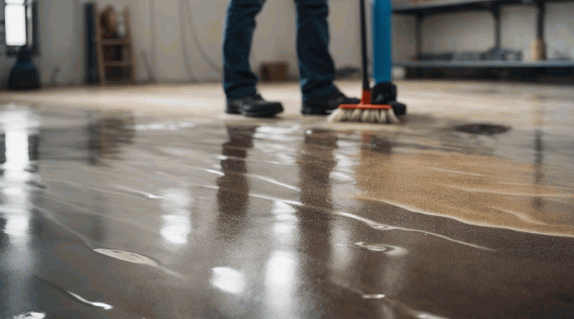
    How To Clean Epoxy Flooring

    Welcome to our guide on how to properly clean and maintain your epoxy flooring. As a homeowner, you want to ensure that your flooring looks visually appealing and is in good condition. However, with daily use and foot traffic, epoxy flooring can become dirty and worn over time. In this article, we will address common concerns and provide helpful tips to help you keep your flooring looking brand new. Are you ready to learn how to effectively clean your epoxy flooring? Let’s get started!

    What Is Epoxy Flooring?

    Epoxy flooring is a resilient and enduring floor coating made by combining a hardener and resin. It delivers a robust, shiny finish that can endure heavy foot traffic and is frequently utilized in industrial and commercial environments.

    Delve into: Is Resin Flooring Suitable For Bathrooms

    Why Is It Important To Clean Epoxy Flooring?

    Regularly cleaning epoxy flooring is crucial in maintaining its durability, appearance, and safety. Dirt buildup can create a slippery surface, making it unsafe to walk on. Moreover, proper cleaning helps retain the glossy finish of epoxy flooring, ensuring it remains visually appealing. By keeping the flooring clean, you can also prolong its lifespan and reduce the need for repairs or replacements.

    What Are The Common Tools And Supplies Needed To Clean Epoxy Flooring?

    When it comes to maintaining the pristine appearance of your epoxy flooring, having the right tools and supplies is crucial. In this section, we will discuss the common items needed to effectively clean epoxy floors. These include a soft broom or dust mop for removing loose debris and dirt, a mild soap or epoxy-safe cleaner for stubborn stains, a microfiber mop or soft cloth for gentle cleaning, and warm water for diluting cleaning solutions. Let’s dive into the details of each essential cleaning tool and supply for epoxy flooring.

    1. Soft Broom Or Dust Mop

    • First, use a soft broom or dust mop to remove any loose dirt and debris.
    • Next, create a cleaning solution by mixing warm water with a mild soap or an epoxy-safe cleaner.
    • Then, use a microfiber mop or soft cloth to mop the floor with the prepared solution.
    • Rinse the floor with warm water and make sure to dry it thoroughly.

    Pro-tip: To keep your epoxy flooring in good condition, regularly sweep or dust mop to prevent scratching from dirt and debris.

    2. Mild Soap Or Epoxy-Safe Cleaner

    • Check the label for specific instructions on dilution ratios and application methods of the mild soap or epoxy-safe cleaner.
    • Test the cleaner on a small, inconspicuous area to ensure compatibility with the epoxy flooring.
    • Dilute the cleaner with warm water according to the instructions.
    • Apply the cleaning solution using a microfiber mop or soft cloth, working in small sections for thorough cleaning.
    • Rinse the floor with warm water to remove any residue from the cleaning solution.
    • Dry the floor completely using a clean, dry microfiber mop or cloth.

    3. Microfiber Mop Or Soft Cloth

    • To maintain the integrity of your epoxy flooring, it is important to use gentle tools such as a microfiber mop or soft cloth for cleaning.
    • Dampen the mop or cloth with a mild soap or epoxy-safe cleaner diluted in warm water for effective cleaning.
    • Wipe the floor in small sections, regularly rinsing the mop or cloth to prevent spreading dirt and grime.
    • After cleaning, make sure the floor is completely dry to avoid water spots or streaks.

    Remember to use gentle tools like a microfiber mop or soft cloth when cleaning your epoxy flooring to avoid scratches or dulling the floor’s shine. Avoid using abrasive materials that could damage the floor’s surface.

    4. Warm Water

    • Fill a bucket with warm water.
    • Add a small amount of mild soap or epoxy-safe cleaner to the warm water.
    • Use a microfiber mop or soft cloth to mop the floor with warm water.
    • Rinse the floor with clean warm water to remove any soapy residue.
    • Dry the floor thoroughly with a clean, dry cloth or allow it to air dry.

    What Are The Steps To Clean Epoxy Flooring?

    Maintaining the cleanliness of your epoxy flooring is essential for its longevity and appearance. But how exactly do you clean it? In this section, we’ll walk through the step-by-step process of cleaning epoxy flooring. From sweeping or vacuuming to mopping and drying, we’ll cover all the necessary steps to keep your epoxy floor looking spotless. Get ready to learn the best techniques for maintaining a clean and shiny epoxy floor.

    1. Sweep Or Vacuum The Floor

    When cleaning epoxy flooring, the first step is crucial. Follow these steps:

    1. Sweep the floor with a soft broom or vacuum to remove loose debris and dirt.
    2. Mix mild soap or an epoxy-safe cleaner with warm water to create a cleaning solution.
    3. Use a microfiber mop or soft cloth to thoroughly mop the floor.
    4. Rinse the floor with warm water to remove any soap residue.
    5. Dry the floor completely using a dry mop or cloth.

    2. Mix The Cleaning Solution

    • Gather supplies: Obtain a bucket, warm water, and an epoxy-safe cleaner or mild soap.
    • Measure: Pour the recommended amount of cleaner into the bucket.
    • Add water: Fill the bucket with warm water, following the cleaner’s dilution instructions.
    • Mix: Gently stir the solution until the cleaner is thoroughly mixed with the water.

    3. Mop The Floor

    1. Prepare the cleaning solution by mixing mild soap or epoxy-safe cleaner with warm water.
    2. Submerge the microfiber mop or soft cloth in the cleaning solution.
    3. Wring out excess liquid and carefully mop the floor, starting from the farthest corner and working towards the entrance.
    4. Rinse and wring out the mop or cloth regularly during the mopping process.
    5. Allow the floor to air dry completely before allowing foot traffic or returning furniture to the area.

    4. Rinse The Floor With Warm Water

    1. After cleaning the epoxy flooring, proceed to rinse the floor with warm water to remove any remaining soap or cleaner residue.

    Make sure to change the water frequently to prevent spreading dirt and grime back onto the floor.

    5. Dry The Floor

    1. To effectively dry the floor, first remove all items from it.
    2. If the floor is wet, use a dry mop or towels to remove any excess moisture.
    3. To promote air circulation and speed up the drying process, open windows or use fans.
    4. It is important to avoid walking on the floor until it is completely dry to prevent any smudges or footprints.

    How To Remove Stains From Epoxy Flooring?

    Epoxy flooring is a durable and low-maintenance option for many commercial and residential spaces. However, like any other type of flooring, it can become stained and dirty over time. In this section, we will discuss the most effective ways to remove different types of stains from epoxy flooring. From oil and grease to food and beverage spills, rust, and even paint or ink stains, we will cover it all. By the end, you’ll have the knowledge and tools to keep your epoxy flooring looking as good as new.

    1. Oil And Grease Stains

    • Blot the stained area with paper towels to soak up any excess oil or grease.
    • Apply a dish soap specifically designed to cut through grease directly to the stain and gently scrub with a soft-bristled brush.
    • Rinse the area with warm water and thoroughly dry using a clean cloth or towel.
    • If the stain persists, create a paste by mixing baking soda with water, apply it to the stain, and let it sit for 5-10 minutes before rinsing and drying.

    2. Food And Beverage Stains

    • Blot the food or beverage stain immediately with a paper towel or soft cloth.
    • Mix mild soap with warm water and gently scrub the stained area.
    • Rinse the floor with clean warm water and dry thoroughly.

    3. Rust Stains

    • Blot the Stain: Use a clean cloth to blot up as much of the rust stain as possible.
    • Vinegar Solution: Mix equal parts of white vinegar and water, apply it to the rust stain, and let it sit for a few minutes.
    • Scrub the Stain: Gently scrub the affected area with a soft-bristled brush, then rinse with clean water.
    • Repeat if Necessary: If the rust stain persists, repeat the process or use a commercial rust remover approved for epoxy floors.

    To prevent rust stains, place protective mats under metal furniture and wipe up any water or liquid spills promptly.

    4. Paint Or Ink Stains

    • Blot the stain with a paper towel to absorb any excess paint or ink.
    • Mix warm water with mild soap to create a gentle cleaning solution.
    • Apply the solution to the stained area and gently scrub with a soft-bristled brush.
    • Rinse the area with clean water and dry thoroughly with a soft cloth.

    How To Prevent Damage To Epoxy Flooring?

    As durable and low-maintenance as epoxy flooring may be, it is not entirely impervious to damage. To ensure its longevity and keep it looking pristine, it is important to take preventive measures. In this section, we will discuss some simple yet effective ways to protect your epoxy flooring from potential damage. From using mats or rugs to avoiding harsh chemicals, we’ll cover all the necessary steps to maintain the quality of your epoxy flooring.

    1. Use Mats Or Rugs

    • Place mats or rugs at entry points to trap dirt and prevent scratches.
    • Use non-slip rugs in wet areas to avoid slips and protect the floor.
    • Clean or replace mats regularly to prevent debris accumulation.

    Pro-tip: Invest in high-quality, durable rugs or mats designed specifically for use on epoxy flooring to ensure maximum protection and longevity.

    2. Avoid Harsh Chemicals

    • It is important to avoid using strong acids or alkalis as they can degrade the epoxy flooring.
    • Instead, opt for gentle cleaning agents such as mild soap or cleaners specifically formulated for epoxy floors.
    • Be sure to read product labels carefully to ensure that the cleaning solution is safe for use on epoxy surfaces.
    • To maintain the integrity of the epoxy coating, consider using pH-neutral cleaners.

    Protect the luster and longevity of your epoxy flooring by choosing cleaning products that are gentle and safe for the surface.

    3. Clean Up Spills Immediately

    • Act promptly: Wipe spills with a clean cloth or paper towel to prevent staining and maintain the epoxy floor’s pristine appearance.
    • Use mild soap: Mix warm water with mild soap or an epoxy-safe cleaner to clean up spills immediately and maintain the cleanliness of the area.
    • Dry thoroughly: Once cleaned, make sure to dry the area completely to avoid any potential damage to the epoxy flooring.

    Did you know? Epoxy flooring is highly resistant to chemicals, making it the perfect choice for industrial and commercial spaces.

  • How To Install Resin Kitchen Floor

    How To Install Resin Kitchen Floor

    Are you tired of constantly replacing your kitchen floor due to wear and tear? Look no further, as this article will guide you on how to install a durable and long-lasting resin kitchen floor. Say goodbye to the hassle and expense of frequent floor repairs and hello to a beautiful, low-maintenance kitchen.

    What Is A Resin Kitchen Floor?

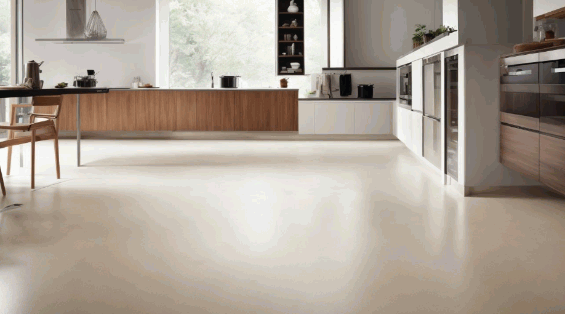
    A resin kitchen floor is a durable and seamless flooring option made of a mixture of resin and a hardening agent. It creates a smooth, non-porous surface that’s easy to clean and maintain. Resin floors are chemical and stain-resistant, making them ideal for kitchens. They come in various colors and finishes, adding a modern and stylish look to the kitchen space. This type of flooring is also known for its longevity and ability to withstand heavy foot traffic.

    Why Choose Resin For Your Kitchen Floor?

    Resin flooring in the kitchen offers durability, a seamless finish, and a variety of design options, making it a popular choice. It is resistant to stains, easy to clean, and provides a smooth surface, ideal for a busy kitchen environment. Additionally, the resin is available in different textures and colors, allowing homeowners to achieve a customized look that complements their kitchen decor.

    What Are The Types Of Resin Kitchen Floors?

    When it comes to choosing a new kitchen floor, resin flooring has become a popular choice due to its durability, versatility, and easy maintenance. But did you know that there are different types of resin floors available? In this section, we will discuss the various types of resin kitchen floors and their unique characteristics. From the popular epoxy resin flooring to the lesser-known methyl methacrylate (MMA) resin flooring, we will explore the benefits and considerations of each type. So, let’s dive in and discover which type of resin kitchen floor is best for your home.

    1. Epoxy Resin Flooring

    1. Prepare the surface: Clean and remove any debris or grease from the kitchen floor.
    2. Apply primer: Use a primer to ensure proper adhesion of the epoxy resin.
    3. Mix the epoxy: Combine the resin and hardener as per the manufacturer’s instructions.
    4. Apply the epoxy: Spread the epoxy mixture evenly over the kitchen floor using a notched trowel.
    5. Allow curing time: Let the epoxy cure as per the recommended drying time.

    2. Polyurethane Resin Flooring

    Polyurethane resin flooring is a durable and versatile option for kitchen floors. It offers excellent resistance to chemicals, abrasion, and impacts, making it suitable for high-traffic areas. This type of flooring provides a seamless and smooth surface, preventing dirt and bacteria accumulation. Its flexibility allows it to withstand temperature changes and substrate movements. When considering polyurethane resin flooring, prioritize its easy maintenance and long-term performance.

    3. Methyl Methacrylate Resin Flooring

    Prepare the Subfloor:

    Ensure it’s clean, dry, and free from any debris or contaminants.

    Mix the Components:

    Combine the resin and hardener according to manufacturer instructions.

    Apply the MMA Resin:

    Spread the mixture using a notched trowel to achieve a consistent thickness.

    Curing Time:

    MMA resin cures rapidly, allowing for quick installation and minimal downtime.

    Finish:

    Once cured, the floor is ready for immediate use, providing a durable and seamless surface.

    How To Prepare For Installation?

    Before diving into the installation process of a resin kitchen floor, it is crucial to properly prepare the existing floor for the new surface. This section will cover the necessary steps to take before installing the resin floor to ensure a successful and long-lasting outcome. We will discuss the importance of cleaning and clearing the kitchen floor, repairing any damages or imperfections, and allowing sufficient drying time for the floor to be ready for the resin installation.

    1. Clean And Clear The Kitchen Floor

    Remove all furniture and appliances from the kitchen floor.

    Sweep the floor to remove any loose dirt and debris.

    Use a mild cleaning solution to clean the entire floor surface thoroughly.

    Allow the floor to dry completely before proceeding with the resin flooring installation.

    Take a look: How To Clean Epoxy Flooring

    2. Repair Any Damages Or Imperfections

    Assess the extent of damage or imperfections on the resin kitchen floor.

    Identify the type of repair needed, such as filling cracks, smoothing out bumps, or addressing discolored areas.

    Prepare the necessary materials for repair, including resin patching compound, sandpaper, and protective gear.

    Clean the damaged area thoroughly and ensure it is completely dry before commencing repairs.

    Apply the resin patching compound according to the manufacturer’s instructions, ensuring a smooth and seamless finish.

    Allow the repaired area to cure properly before resuming regular use of the kitchen floor.

    3. Allow Proper Drying Time

    After applying the resin mixture, allow proper drying time for at least 24-48 hours before walking on the floor. Avoid moving heavy furniture or appliances onto the newly resin-coated floor until it has fully cured. Ensure adequate ventilation during the drying process to facilitate proper curing and eliminate any residual fumes.

    What Tools And Materials Do You Need For Installation?

    Before you can start installing a resin kitchen floor, it is important to gather all the necessary tools and materials. In this section, we will discuss the five essential items you will need for a successful installation. These include a resin flooring kit, a notched trowel, a spike roller, a mixing paddle, and protective gear. Each of these items plays a crucial role in the installation process and will ensure that your new resin floor is installed correctly and safely.

    1. Resin Flooring Kit

    Choose a high-quality resin flooring kit suitable for your kitchen size and requirements. Ensure the kit includes resin components, mixing tools, and detailed instructions. Consider the coverage area and thickness of the resin layer while selecting the kit. Verify if the kit contains any additional protective coatings or sealants for enhanced durability.

    2. Notched Trowel

    1. Clean the trowel to remove any dirt or debris.
    2. Hold the trowel at a 45-degree angle to the floor.
    3. Spread the resin mixture evenly using the notches on the trowel.
    4. Work in small sections to ensure proper coverage.
    5. Use a smooth, sweeping motion for consistent application.

    3. Spike Roller

    Rolling: After applying the resin mixture, use the spike roller to effectively remove air bubbles.

    4. Mixing Paddle

    1. Attach the mixing paddle to a power drill. Ensure the paddle is securely fitted and the drill is set to a low speed.
    2. Pour the resin components into a clean, dry mixing container.
    3. Insert the mixing paddle into the container and start the drill at the lowest speed.
    4. Blend the components thoroughly until the mixture achieves a uniform color and texture.

    5. Protective Gear

    Wear appropriate clothing to cover the body, along with closed-toe shoes for foot protection. Use safety goggles to shield the eyes from potential splashes or spills of the resin mixture. Employ chemical-resistant gloves to safeguard the hands from direct contact with the resin components. Utilize a respirator or mask to prevent inhalation of harmful fumes during the installation process.

    How To Install Resin Kitchen Floor?

    Are you looking to upgrade your kitchen floor with a durable and modern material? Look no further than resin! In this section, we will guide you through the step-by-step process of installing a resin kitchen floor. From mixing the resin components to using a spike roller to remove air bubbles, we will cover it all. Follow these simple instructions to achieve a beautiful and long-lasting resin kitchen floor in your home.

    1. Mix The Resin Components

    Gather the resin components as per the manufacturer’s instructions.

    Measure the precise amounts of resin and hardener using a measuring container.

    Pour the hardener into the resin container.

    Thoroughly mix the components using a paddle until the mixture is uniform.

    Ensure the mixture is free of any lumps or streaks.

    2. Apply The Resin Mixture On The Kitchen Floor

    Prepare the Mixture:

    1. Follow the manufacturer’s instructions to mix the resin components thoroughly.

    Apply the Resin:

    1. Pour the mixed resin onto the kitchen floor in small sections.

    Spread Evenly:

    1. Use a notched trowel to spread and level the resin mixture evenly.

    Smooth Out:

    1. Ensure a smooth surface by using a spike roller to remove any air bubbles.

    Allow Drying:

    1. Let the applied resin mixture dry for the recommended time for a durable finish.

    3. Spread And Smoothen The Resin

    Prepare the Resin:

    1. Mix the resin components according to the manufacturer’s instructions.

    Application:

    1. Apply the resin mixture evenly on the kitchen floor using a notched trowel.

    Smoothing:

    1. Spread and smoothen the resin with a spike roller to achieve an even surface.

    Remove Air Bubbles:

    1. Use a spike roller to eliminate any air bubbles trapped in the resin.

    Drying:

    1. Allow the resin to dry completely as per the recommended drying time.

    4. Use A Spike Roller To Remove Air Bubbles

    Roller preparation:

    Ensure the spike roller is clean and free of any debris or dirt.

    Application:

    Once the resin mixture is applied, promptly roll the spike roller over the surface, exerting even pressure to eliminate air bubbles.

    Repeat:

    If necessary, go over the area multiple times until all air bubbles are removed.

    Allow drying:

    After using the spike roller, allow the resin to dry completely as per the manufacturer’s instructions.

    5. Allow Proper Drying Time

    After applying the resin mixture on the kitchen floor,

    1. allow proper drying time to ensure a strong and durable finish.

    How To Maintain A Resin Kitchen Floor?

    Once you have successfully installed a resin kitchen floor, it is important to know how to properly maintain it to ensure its longevity and beauty. In this section, we will discuss the key steps to keeping your resin kitchen floor in top condition. From simple cleaning techniques to avoiding harsh chemicals, we will cover all the necessary maintenance tips to keep your floor looking brand new. So let’s get started on learning how to maintain a resin kitchen floor!

    1. Regularly Sweep And Mop The Floor

    Regularly sweep the floor to remove dirt, dust, and debris.

    Mop the floor using a mild cleaning solution and water to maintain cleanliness.

    Avoid harsh chemicals that could damage the resin floor.

    Immediately repair any damages to prevent them from worsening.

    2. Use Mild Cleaning Solutions

    1. Prepare a cleaning solution by mixing mild soap with warm water.
    2. Use a soft mop or cloth to apply the cleaning solution to the resin kitchen floor.
    3. Gently scrub the floor to remove any dirt or stains.
    4. Rinse the floor thoroughly with clean water to remove any soap residue.
    5. Dry the floor completely using a soft towel or mop.

    3. Avoid Harsh Chemicals

    Avoid using harsh chemical cleaners on the resin kitchen floor to prevent damage and maintain its longevity. Instead, opt for mild cleaning solutions such as a mixture of warm water and gentle dish soap to effectively clean the floor. Regularly sweep and mop the floor to remove dirt and grime without causing any harm to the resin surface. Immediately attend to any damages or spills to avoid the need for harsh cleaning methods in the future.

    4. Repair Any Damages Immediately

    Regularly inspect the floor for any damages, such as cracks, chips, or discoloration. Address any damages immediately to prevent further deterioration. Use appropriate repair materials and techniques based on the type of damage. Ensure the repaired area blends seamlessly with the rest of the floor.

  • How To Paint New Plastered Walls

    How To Paint New Plastered Walls

    Are you facing the intimidating task of painting newly plastered walls in your home? This guide is here to alleviate your concerns and offer you valuable advice and techniques to achieve a polished and professional result. With detailed instructions and expert guidance, you can confidently transform your walls into masterpieces.

    What Is Plastering?

    Plastering is a technique used to create a smooth and even surface on walls and ceilings. It involves applying a mixture of plaster and water to the surface, which is then left to dry and harden. This process helps to hide imperfections in the underlying surface and provides a solid base for painting or wallpapering. Plastering is an important step in the process of renovating or decorating a room, as it ensures a professional and finished look. It requires skill and precision to achieve the desired results.

    Why Is It Important To Paint New Plastered Walls?

    Painting newly plastered walls is important for several reasons.

    Firstly, it helps to protect the walls from moisture and damage. By applying a coat of paint, you create a barrier that prevents water from seeping into the plaster and causing it to deteriorate.

    Secondly, painting newly plastered walls enhances their appearance. It gives them a smooth, finished look and allows you to choose the color or design that suits your style.

    Lastly, painting helps to seal the surface of the plaster, minimizing the risk of dust or particles becoming airborne. This contributes to a healthier indoor environment.

    So, to preserve the integrity, improve aesthetics, and maintain a clean space, painting newly plastered walls is essential.

    What Are The Steps To Prepare New Plastered Walls For Painting?

    When it comes to painting newly plastered walls, it is important to prepare them properly in order to achieve a smooth and long-lasting finish. In this section, we will explain the necessary steps to prepare your walls before painting. Each step, from cleaning the walls to priming them, is essential in ensuring a flawless paint job. So, let’s delve into the details and learn how to properly prepare newly plastered walls for painting.

    1. Clean The Walls

    Cleaning the walls is an essential step when preparing newly plastered walls for painting. Here are the steps to clean the walls effectively:

    1. Remove any loose dirt or dust by gently wiping the walls with a dry cloth or a soft brush.
    2. Prepare a mild cleaning solution by mixing warm water and a small amount of gentle detergent.
    3. Dip a sponge or a soft cloth into the cleaning solution and wring out any excess liquid.
    4. Gently wipe the walls using circular motions, starting from the top and working your way down.
    5. Rinse the sponge or cloth frequently in clean water to remove any dirt or soap residue.
    6. Once the walls are clean, allow them to air dry completely before proceeding with the next steps.

    By following these steps, you can ensure that your new plastered walls are clean and ready for painting, resulting in a smooth and professional finish.

    2. Sand Down Any Rough Areas

    1. Inspect the freshly plastered walls for any rough areas or imperfections.
    2. Use a fine-grit sandpaper or sanding block to gently sand down the rough areas until they feel smooth to the touch.
    3. Be careful not to overspend or apply excessive pressure, as it can damage the plaster.
    4. Wipe away any dust or debris using a clean cloth or vacuum.
    5. Repeat the sanding and cleaning process as needed until the entire surface is smooth and free of rough patches.

    3. Fill In Any Holes Or Cracks

    When preparing newly plastered walls for painting, it is necessary to fill in any holes or cracks to achieve a smooth and perfect finish. Follow these steps:

    1. Thoroughly clean the walls to remove any dust or debris.
    2. Inspect the walls for any holes or cracks.
    3. Use a putty knife to apply a patching compound or filler to fill in the holes and cracks.
    4. Smooth out the filler with the putty knife, making sure it is level with the wall surface.
    5. Allow the filler to dry completely.
    6. Sand down the filled areas to create a seamless surface.
    7. Wipe away any dust left from sanding.

    By following these steps, you can ensure that your new plastered walls are ready for a smooth and professional-looking paint job.

    4. Prime The Walls

    Priming the walls is an important step in preparing newly plastered walls for painting. It helps to create a smooth and even surface, improves paint adhesion, and enhances the overall durability of the paint job.

    Here are the steps involved in priming the walls:

    1. Clean the walls thoroughly to remove any dust or debris.
    2. Apply a coat of primer using a paintbrush or roller, ensuring even coverage.
    3. Allow the primer to dry completely before applying the paint.

    Priming the walls before painting is particularly important if the plaster is porous or has a high alkaline content. It helps to seal the surface, preventing the paint from being absorbed unevenly and resulting in a more professional and long-lasting finish.

    What Tools And Materials Are Needed For Painting New Plastered Walls?

    Before you start painting your newly plastered walls, it’s important to gather all the necessary tools and materials. In this section, we’ll go over each item you will need to ensure a successful paint job. From paint brushes and rollers to drop cloths and painter’s tape, we’ll cover the essentials that will make your painting process smoother and more efficient. So, let’s get ready to paint those freshly plastered walls!

    1. Paint Brushes And Rollers

    When painting new plastered walls, using the right paint brushes and rollers is crucial for achieving a smooth and professional finish. Here are some steps to consider:

    1. Choose the appropriate paint brushes and rollers based on the size and texture of the walls.
    2. Use a high-quality paintbrush that is suitable for the type of paint being used.
    3. Select a roller that is appropriate for the wall surface, such as a foam roller for smooth walls or a textured roller for textured surfaces.
    4. Before painting, make sure to clean and prepare the walls properly, ensuring they are free from dust, dirt, and any imperfections.
    5. Apply the paint evenly using the paintbrush and then use the roller to cover larger areas quickly and efficiently.
    6. For a professional finish, apply multiple thin coats of paint rather than one thick coat.

    2. Paint Tray

    A paint tray is an essential tool when painting newly plastered walls. Here are the steps to effectively use a paint tray:

    1. Pour the desired amount of paint into the tray.
    2. Dip the brush or roller into the paint, ensuring even coverage.
    3. Tap off any excess paint on the edge of the tray to prevent dripping.
    4. Start painting from the top of the wall, working your way down.
    5. Replenish the paint in the tray as needed.
    6. Clean the paint tray thoroughly after each use to avoid dried paint build-up.

    Using a paint tray helps to distribute paint efficiently and allows for easy access during the painting process.

    3. Drop Cloths

    Drop cloths are essential when painting newly plastered walls as they protect floors and furniture from paint splatters and drips. Here are the steps to use drop cloths effectively:

    1. Choose the appropriate type of drop cloth, such as canvas or plastic, based on your needs and budget.
    2. Prior to painting, lay the drop cloth over the floor, ensuring it covers a wide area to catch any stray paint.
    3. Secure the edges of the drop cloth to the baseboards or walls using tape to keep it in place.
    4. If necessary, overlap multiple drop cloths to create a larger protective surface.
    5. While painting, regularly inspects the drop cloth for any paint spills or drips and promptly clean them up.

    By using drop cloths, you can avoid the hassle of cleaning up paint stains and achieve a neat and professional painting job.

    4. Painter’s Tape

    Painter’s tape is an essential tool for painting newly plastered walls. It is used to protect areas that you do not want to be painted, such as trim, windows, and door frames. By applying painter’s tape along the edges, you can create clean and precise lines. It helps prevent paint from bleeding onto adjacent surfaces, resulting in a professional finish.

    When selecting painter’s tape, choose a high-quality brand that is easy to apply and remove without leaving residue or damaging the surface.

    Overall, painter’s tape is a valuable tool for achieving a tidy and polished appearance when painting newly plastered walls.

    5. Paint

    When it comes to painting newly plastered walls, it is important to follow a step-by-step process and use the correct tools and materials to achieve a professional finish.

    • Thoroughly clean the walls to remove any dust or debris.
    • Sand down any rough areas to create a smooth surface.
    • Fill in any holes or cracks with filler and allow it to dry before continuing.
    • Apply a suitable primer to the walls to ensure better adhesion and a more even finish.
    • Use paint brushes and rollers to apply the paint evenly.

    What Is The Best Technique For Painting New Plastered Walls?

    When it comes to painting newly plastered walls, there are several techniques that can be utilized. In this section, we will discuss the most effective technique for obtaining a smooth and professional finish on your freshly plastered walls. We will go over the three primary steps involved: cutting in, applying the paint with a roller, and applying a second coat if needed. By the end, you will have a greater understanding of how to paint newly plastered walls and achieve the desired outcomes.

    1. Start With Cutting In

    Starting with cutting in is an important step when painting newly plastered walls. It involves creating a precise line along the edges of the wall, where it meets the ceiling, corners, and trim. Here are the steps to follow:

    1. Prepare the paint by stirring it thoroughly.
    2. Use a small brush to carefully paint along the edges, creating a straight line.
    3. Start from the top and work your way down, moving in sections.
    4. Take your time and be patient to achieve a clean and professional look.
    5. Once the cutting in is done, you can use a roller to fill in the larger areas of the wall.

    2. Roll The Paint On

    Rolling the paint on newly plastered walls requires careful preparation and technique to achieve a smooth and even finish. Here are the steps to follow:

    1. Cover the floor and furniture with dust sheets to protect them from paint splatters.
    2. Start by cutting in the edges of the walls using a paintbrush to create a clean line between the wall and the ceiling, corners, and trim.
    3. Pour the paint into a tray and load the roller. Begin rolling the paint onto the walls in a “W” or “M” pattern, working in small sections.
    4. Apply the paint evenly and avoid applying too much pressure, as this can result in streaks or drips.
    5. Overlap each section slightly to ensure consistent coverage.
    6. Allow the first coat to dry completely, then apply a second coat if necessary for a more vibrant and even finish.

    By following these steps, you can achieve a professional-looking result when rolling the paint on newly plastered walls.

    3. Use A Second Coat If Necessary

    To achieve a professional finish when painting newly plastered walls, it may be necessary to apply a second coat of paint. Here are the steps to follow:

    1. Once the first coat of paint has dried completely, check the walls for any areas that may need additional coverage.
    2. If there are any uneven patches, imperfections, or areas where the first coat seems thin, apply a second coat of paint.
    3. Use a brush or roller to carefully apply the second coat, ensuring even coverage and a smooth application.
    4. Allow the second coat to dry completely before determining if any further touch-ups or additional coats are required.
    5. Repeat the process of applying additional coats if necessary until you achieve the desired finish and coverage.

    Remember, applying a second coat of paint can enhance the overall appearance and durability of newly plastered walls.

    What Are Some Tips For Achieving A Professional Finish?

    As any homeowner knows, painting newly plastered walls can be a challenging task. However, by employing suitable techniques and tools, you can attain a professional result that ensures your walls appear sleek and impeccable. In this section, we will explore some crucial advice for accomplishing a refined and superior paint job. By selecting the appropriate paint, dedicating sufficient time, and utilizing proper lighting, these tips will assist you in achieving a flawless finish for your recently plastered walls.

    1. Use High-Quality Paint

    Using high-quality paint is essential for achieving a professional finish when painting new plastered walls. Here are some reasons why:

    1. Durability: High-quality paint is more resistant to wear and tear, ensuring that your walls will look fresh for a longer time.
    2. Color Retention: It maintains its color over time, preventing fading or discoloration.
    3. Smooth Application: High-quality paint goes on smoothly, resulting in an even and flawless finish.
    4. Coverage: It provides better coverage, requiring fewer coats and less paint to achieve the desired look.
    5. Longevity: With superior ingredients, high-quality paint is less likely to crack, peel, or blister, ensuring long-lasting results.

    Delve into: How To Repair Peeling Paint On Plaster Walls

    2. Use Proper Lighting

    Using proper lighting is crucial when painting newly plastered walls to ensure a professional finish. Here are some steps to follow:

    1. Assess the natural lighting in the room to determine if additional artificial lighting is needed.
    2. Position lighting sources strategically to minimize shadows and ensure even coverage.
    3. Consider using adjustable lighting fixtures or portable task lights to illuminate specific areas.
    4. Use bright, white light bulbs to accurately see the wall’s texture and ensure proper color application.
    5. Avoid relying solely on overhead lighting, as it may cast shadows and make it difficult to detect imperfections.

    3. Take Your Time

    Taking your time is crucial when painting newly plastered walls to ensure a professional finish. Here are some steps to follow:

    1. Prepare the walls by cleaning them thoroughly.
    2. Sand down any rough areas to create a smooth surface.
    3. Fill in any holes or cracks with a suitable filler.
    4. Prime the walls using a primer suitable for plastered surfaces.
    5. Choose the right tools and materials including paint brushes, rollers, trays, drop cloths, painter’s tape, and high-quality paint.
    6. Start by cutting in around edges and corners with a brush.
    7. Roll the paint on the walls using a roller, working in small sections.
    8. Apply a second coat if necessary for a more even and opaque finish.
    9. Use proper lighting to identify any missed spots or uneven coverage.
    10. Take your time during each step to ensure precision and attention to detail.

    4. Use A Primer

    Using a primer is crucial when painting newly plastered walls. Here are the steps to follow:

    1. Clean the walls: Remove any dust, dirt, or debris.
    2. Sand down any rough areas: Smooth out any uneven surfaces.
    3. Fill in any holes or cracks: Use a filler to repair any imperfections.
    4. Prime the walls: Apply a coat of primer to create a smooth surface for paint.

    By using a primer, you will ensure better paint adhesion, prevent stains or discoloration, and achieve a more professional finish on your newly plastered walls.

    5. Use A Good Quality Paintbrush

    Using a good quality paintbrush is essential when painting newly plastered walls to achieve a professional finish. Here are some steps to consider when using a good-quality paintbrush:

    1. Choose the right brush size and type for the job.
    2. Prepare the paintbrush by removing any loose bristles.
    3. Dip the brush into the paint, ensuring the bristles are evenly coated.
    4. Start painting by applying even strokes in one direction.
    5. Avoid overloading the brush with paint to prevent drips and uneven application.
    6. Clean the brush thoroughly after use to maintain its quality and prolong its lifespan.

    Using a good quality paintbrush will ensure smoother application, better coverage, and a more professional-looking finish on your newly plastered walls.

  • Bedroom Wall Decor Ideas

    Bedroom Wall Decor Ideas

    Transform your bedroom walls into stunning focal points! Get creative and add personality to your space. Options range from artwork to wall decals. Make a gallery wall using framed art, photos, & mementos to show your style. Or, choose wall decals & stickers for a changeable design. For a rustic touch, add wooden panels & reclaimed wood accents. Pro tip: Plan the layout beforehand to get a balanced & visually appealing composition.

    Importance Of Bedroom Wall Decor

    Wall decor in your bedroom is more important than you think. Not only does it add beauty, but it can also affect your mood. Wall decor can reflect your personality and create a soothing atmosphere.

    Choose decor that resonates with you. It can be simple and elegant or bold and colorful. This will set the tone for the whole room. Your bedroom is a private place where you can express yourself. So pick pieces that reflect your interests, values, or memories.

    Research shows that art in our living spaces has psychological benefits. The Guardian reported that visual stimuli, such as artwork that brings positive emotions, can reduce stress and increase happiness. So meaningful wall decor in your bedroom can benefit your well-being.

    List Of Bedroom Wall Decor Ideas

    Bedroom wall decor is key for making a trendy and personal space. Here are some unique ideas to transform your bedroom walls into gorgeous focal points!

    • Gallery Wall: Put together a display of artwork and pics that show your character and interests. Mix various sizes and styles of frames for a quirky vibe.
    • Wallpaper Accent: Give depth and texture to your bedroom walls with wallpaper. Pick a bold pattern or a subtle design to make a statement or create a peaceful atmosphere.
    • Mirrors: Put mirrors strategically to reflect light and make your bedroom seem bigger. Try different shapes and sizes for an eye-catching visual effect.

    For extra atmosphere, why not add vintage clocks or ornate mirrors to your wall decor? These unique details can add character and attraction to your bedroom.

    Delve into: Kids Bedroom Ideas

    Conclusion

    To finish up our journey of bedroom wall decor ideas, it’s clear there are plenty of creative options. From eye-catching tapestries to simple gallery walls, you can recreate your bedroom walls.

    Wall decals are an intriguing option. These stickers come in various designs and can quickly add charm to a room. Whether you like fun patterns or meaningful quotes, wall decals are an easy way to show your personality and enliven your bedroom.

    An interesting fact about the power of color is from a University of Linz study. Warm colors like red and orange can make you feel excited, while cool colors like blue and green can help you relax. When deciding on wall decor for your bedroom, think about colors that will make you feel the way you want.

  • Bedroom Furniture Essentials

    Bedroom Furniture Essentials

    The bedroom is a special spot; a place of rest and peace. We seek refuge in its comforting arms after a long day. To make a perfect sanctuary, choose furniture pieces that are both stylish and functional.

    As you enter the bedroom, what do you see first? The bed! It’s the centerpiece, the anchor of the room. Pick a bed that reflects your style and is super comfy. Think about features like ergonomic designs and adjustable options for the best sleep.

    Next, storage. To keep your space calm and uncluttered, include storage furniture. Dressers, nightstands with drawers or shelves, and wardrobes are great.

    Lighting is key for the mood in your bedroom. Choose soft, warm lights that make the atmosphere peaceful and laid-back. Bedside lamps or wall sconces are ideal.

    Finally, relax in style. Get a chair or chaise lounge by the window and add cushions and throws for extra comfort.

    In conclusion, when picking bedroom furniture, think about comfort, usefulness, and style. Get a bed that offers a great night’s sleep, use storage furniture, choose soft lighting, and add seating spots to make your bedroom a perfect haven.

    Bed

    A bed is a must-have in any bedroom. It gives us comfort and rest, helping us to restore our energy and clear our minds after a long day. A quality bed ensures peaceful sleep, which boosts our overall health and wellness.

    Let’s go deeper and take a look at the key elements of a bed. This table provides useful info without being overwhelming. It offers an organized view of the numerous facets related to beds.

    Bed Parts:

    PartSummary
    MattressThe foundation of the bed offers cushioning and support. Comes in different sizes and materials.
    Bed FrameHandy storage solutions are placed beside the bed. Perfect for lamps, alarm clocks, books, & personal items.
    PillowsUsed for head support when sleeping. Sizes & styles vary to fit individual comfort.
    BeddingIncludes sheets, duvets, comforters, blankets, & pillowcases. Adds warmth & style to the bedroom decor.
    Bedside TablesHandy storage solutions placed beside the bed. Perfect for lamps, alarm clocks, books, & personal items.

    Additionally, think of adjustable bases & under-bed storage for extra functionality.

    Don’t forget to make your bedroom a comfy sanctuary by putting in all the essential bed elements and showing off your unique style & personality!

    Investing in a comfortable bed isn’t just about decorating your room; it’s about taking care of yourself. Don’t wait; start creating your dream bedroom now!

    Dresser

    This dresser is made of solid wood, ensuring strength and longevity. It has 6 drawers which offer plenty of space for clothes, accessories and other items. The espresso color adds a sophisticated vibe to your bedroom, and the modern style adds a contemporary feel.

    Plus, some dressers come with extra features like mirrors and jewelry compartments. This gives you more convenience and versatility.

    Don’t miss out on the chance to enhance your bedroom with a stylish and functional dresser. Get this essential piece of furniture now and make your bedroom a pleasant place to relax. Upgrade your bedroom with a dresser that meets your storage needs and adds beauty to your space.

    Nightstands

    Four points about nightstands:

    1. Various sizes, styles, and materials. Modern or traditional – there’s one for you!
    2. Drawers or shelves to keep your bedside items neat & within reach.
    3. Charging stations or USB ports for a cord-free bed area.
    4. Visual interest with shapes & finishes.

    Plus, some come with lighting options!

    Pro Tip: Pick one with a similar or slightly lower height than your bed for easy access and a harmonious look.

    Wardrobe

    Wardrobes have the ability to adjust to different room sizes and personal tastes. You can even design your own custom wardrobe to fit your style and needs.

    Wardrobes are essential for bedrooms. They make life easier by giving us efficient organization and quick solutions. They truly enhance our daily lives and make routines more convenient.

    Mattress

    Creating a comfy bedroom? A mattress is key! It offers the best sleep and health. Let’s look at different types of mattresses, their features, and how they help. Check the table below:

    Type of MattressFeaturesBenefits
    Memory FoamConforms to body shapeComfort, reduced back pain
    InnerspringCoil support systemComfort reduced back pain
    LatexNatural materialAllergen-resistant, eco-friendly
    HybridMemory foam + innerspringBalanced support and comfort
    Pillow-topExtra padding on topAdded plushness for softness
    AdjustableCustomizable positionAlleviates discomfort for specific needs

    When selecting a mattress, think about your sleeping position, body weight, and medical conditions. This will help you choose a mattress that fits your needs. Here are tips:

    1. Test it out: Visit stores & try mattresses.

    2. Consider firmness: Firmer or softer?

    3. Seek expert advice: Sleep specialists or healthcare professionals can help.

    Follow these suggestions to find a mattress that gives you the support and comfort you need. Investing in a quality mattress is investing in your health.

    Bedding

    Need a good night’s sleep? Invest in high-quality sheets like cotton or linen. Matching pillowcases and a duvet with a removable cover give extra warmth. Blankets of fleece or wool for coziness. Decorative pillows and throws can add to the look. Thread count, fabric, and color all matter. Upgrade your bedding today for sweet dreams!

    Lighting

    Choose a mix of overhead, task, and ambient lighting to cater to different needs and moods. Install dimmer switches to adjust brightness. Opt for energy-efficient LED bulbs. Add decorative elements like lamps or pendant lights. Ensure adequate lighting near your dressing area.

    To add more lighting, consider natural light sources such as windows or skylights. Natural light not only brightens but also has health benefits.

    Did you know before electricity, people relied on candles? Candlelight was the primary source of illumination for nighttime activities like reading and dressing. The invention of electric lightbulbs changed interior lighting, providing convenience and safety.

    Decorative Accessories

    Decorative accessories are the perfect way to add personality and style to any bedroom. Here are the 4 main points to consider when selecting accessories:

    • Accent Pillows: Mix and match different sizes, textures, and patterns to jazz up your bed or seating area.
    • Wall Art: Choose artwork that reflects your taste and fits with the overall look.
    • Lamps and Lighting: The right lighting can create ambiance and set the mood. Try bedside table lamps for reading or a statement chandelier for elegance.
    • Mirrors: Mirrors reflect light and make the room appear bigger. Choose one that suits your style.

    To make your bedroom truly yours, add unique touches like scented candles, plants, or quirky decorative objects. Cozy throw blankets add texture and warmth. Try incorporating trays or bowls for storage and elegance.

    By carefully selecting accessories that reflect your desired aesthetic, you can create a bedroom that’s uniquely yours. Experiment with different elements until you achieve the perfect look.

    Discover: Bedroom Wall Decor Ideas

    Conclusion

    Time to conclude our talk about must-haves for the bedroom. High-quality pieces are key for a comfy, stylish haven. From the bed frame to the nightstands, each item has a role in setting the atmosphere.

    When picking bedroom furniture, think about form and function. Choose pieces with built-in storage to make the most of your space, and select durable materials for longer-lasting pieces.

    Small touches like decorative pillows and wall art bring out character and charm in the room. Additionally, a cozy seating area can be a retreat for rest after a long day. A comfy armchair and side table make the perfect corner for reading or tea time.

    Did you know that according to Sleep.org, having an orderly and clean bedroom leads to better sleep? So not only does the right furniture boost the look, but it also encourages better rest and relaxation.

    To make your dream bedroom, combine comfort, style, and functionality. Quality furniture and little details will turn your space into a tranquil oasis that reflects your personality and ensures peaceful nights.

  • Kids Bedroom Ideas

    Kids Bedroom Ideas

    Designing a kid’s bedroom is an exciting job! Careful thought must be put into creating a space that expresses their character, helps them grow, and provides an atmosphere for play and rest. This article gives fun ideas and helpful tips to make your child’s bedroom into an adorable and practical room they will adore.

    When designing a kids’ bedroom, consider their age, hobbies, and likes. For younger children, bright colors such as orange or yellow can inspire their imagination and make a livelier space. Adding wall decals or bedding with their favorite characters adds a personal touch. Older kids may prefer more subtle designs with neutral color schemes and small pops of color with add-ons.

    Don’t forget storage! An orderly bedroom causes less work and teaches children responsibility. Think about furniture pieces like beds with drawers or shelves. Make use of vertical space by placing wall-mounted shelves or bookcases to store toys, books, and other items. Teaching your child the value of organization early will offer lifelong benefits.

    Designate areas within the room for different activities. Set up a study corner with a desk, chair, and proper lighting for homework or crafts. Make a comfortable reading nook with soft cushions or bean bags to encourage reading and give a peaceful escape. Also, have plenty of floor space for playtime.

    Include your child in the decision-making process. Let them pick colors or themes to empower them and develop their individuality. Hang their artwork on walls or give corkboards to show off photographs and other keepsakes. By including your child in designing their own room, you help them be creative, and independent, and feel ownership of their space.

    Organizational Tips For Kid’s Bedrooms

    Transform your kid’s bedroom into a peaceful and productive space with these pro-organizational tips!

    • Store toys and books in bins and shelves.
    • Label the containers for easy locating.
    • Hang backpacks, jackets, and hats on hooks or racks.
    • Set up reading nooks and play zones.

    Maximize efficiency by using drawer dividers or hanging organizers. Put up a bulletin board or chalkboard wall to display reminders and artwork. Get furniture with built-in storage for optimal space use.

    Organize your kid’s bedroom today and see the transformation!

    Creative Storage Ideas For Kid’s Bedrooms

    Kids’ bedrooms can be made more spacious and tidy with creative storage ideas. Here are 5:

    • Rolling bins or drawers beneath the bed – to store toys, books, and bedding.
    • Floating shelves on walls – to show off favorite toys or books and save floor space.
    • Fabric pockets or shoe organizers – behind the door for art supplies and accessories.
    • Repurposed crates or suitcases – to make a themed storage area for toys and games.
    • A pegboard system – to hang hats, clothes, and other accessories in style.

    Plus, add a chalkboard wall! It’ll give a fun and interactive touch to the bedroom.

    Label each bin with words or images to teach kids organization skills from an early age. There you go!

    Fun And Functional Furniture Ideas For Kid’s Bedrooms

    Transform your child’s bedroom into an imaginative paradise! Incorporate bunk beds to save space and for playtime. An ottoman can be used for seating and storage of books, toys, or clothes. Wall-mounted desks are great for small rooms and they keep the area tidy. Bookshelves with reading nooks invite your little ones to explore their favorite stories. Use adjustable-height furniture to grow with your child. Add a hanging chair or hammock for a playful spot.

    Include bright colors and themed decor to make the space special. Display artwork or achievements to make it personal. Prioritize safety with sturdy construction and rounded edges. Opt for furniture with ample storage options to keep it organized. Create a room that is practical and exciting – let their imagination fly!

    Check out: Bedroom Furniture Essentials

    Colorful And Playful Decor Ideas For Kid’s Bedrooms

    Kids’ bedrooms are amazing for expressing creativity! Here are some ideas to add color and fun:

    • Brighten walls with bold colors like happy yellows, blues, or oranges. Use removable wallpapers or low VOC paint for safety.
    • Transform corners into imaginative play areas. Use rugs, canopy tents, or wall decals of their favorite characters.
    • Surprise them with cloud-shaped lamps and starry ceiling projectors. These additions will inspire dreams and wonder.

    Furniture with storage compartments can also add appeal. For example, a bed frame designed as a race car or spaceship with drawers for toys and books.

    Pro Tip: For smaller bedrooms, opt for vertical storage solutions like tall bookshelves or wall-mounted organizers. This will keep clutter away while still providing room for play.

    DIY Projects For Personalizing Kid’s Bedrooms

    Personalize kids’ bedrooms with DIY projects! They let parents express their creativity, and create an inviting, special place. Try these ideas:

    • Accent walls: Paint a bold color or draw a mural to make the room exciting!
    • DIY wall art: Make artwork with canvas, fabric, or recycled items. Let it reflect the child’s interests and personality.
    • Customize furniture: Transform furniture with stickers, stencils, or unique hardware.
    • Create themed spaces: Give the room a princess castle, superhero hideout, or underwater wonderland look.

    Other ways to personalize: Interactive elements like chalkboard walls, and sensory play areas. Also, nameplates or artwork featuring the child’s name. This tradition has been around since ancient times but with modern twists!

    Safety Considerations For Kid’s Bedrooms

    Creating a safe environment in your child’s bedroom is essential. Here are some things to consider:

    • Secure Furniture: Anchor heavy furniture like dressers and bookshelves to the wall.
    • Childproof Outlets: Cover electrical outlets with safety plugs or install tamper-resistant outlets.
    • Safe Bedding Choices: Opt for firm mattresses and fitted sheets that fit snugly. Avoid loose blankets and pillows.
    • Window Safety Measures: Install window guards or secure windows with window stops. Keep blind cords out of reach.

    Also, use non-toxic paints and adhesives. Choose dimmable lights that can adjust the brightness. Regularly inspect toys and remove any broken or hazardous items.

    It’s time to create a secure bedroom for your little one. Take steps today for your peace of mind!

    Conclusion

    Designing a kids’ bedroom? It is essential to make it functional, and comfy, and show their personality. Add vibrant colors, interactive elements, and storage solutions. Also, themed decor and personalized touches will make it special. Involve your child in the process and value their input. Pro tip: use multi-functional furniture for small bedrooms. Maximize space!