Household Appliances

  • How to Use Plumbing Tape  In Multiple Ways

    How to Use Plumbing Tape In Multiple Ways

    Called by other names such as Teflon tape, polytetrafluoroethylene (PTFE), and plumber’s tape – the plumbing tape is considered a plumber’s best friend because of the multitude of uses it serves. Generally, it is used to seal pipe threads. Yet, do you know that there’s more to the plumbing tape than just this purpose? The rest of the article will give you insight into how to use it in multiple ways.

    Providing lubrication to threaded connections absent of built-in rubber seals.

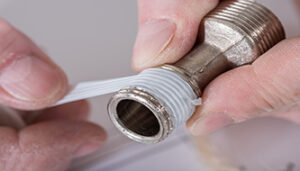
    Assembly and disassembly of pipe joints are facilitated easily with the use of plumbing tape. To do this, wrap the pipe tightly with the tape, ensuring that it is in the proper direction. When the line is whirled into the fitting, the mating thread will provide the friction necessary to tighten the plumbing tape onto the pipe. You’ll need to wrap the tape around the line in the reverse direction of how the pipe will turn into the fitting.

    They are preventing leaks on most kitchen and bathroom fixtures.

    Photo Credit – Adobe Stock

    It is frustrating when leaks happen in the kitchen or the bathroom. They disrupt the ordinary activities conducted in these spaces. The use of standard tapes and sealants would not prove to be successful after a few hours or days. Instead, it will cause you to scout for ways to prevent the water from escaping the pipings and fittings. So it is when plumbing tapes prove to be very useful and efficient. A few wraps of the tape around the leaking part ensure to seal a stop on it. Rest assured that you can have peace of mind that leaks won’t occur for long until you decide to change an entire line.

    Uses in other industries

    If you think that the plumbing tape is for the plumbing industry only, you might be surprised to find that it has become flexible enough to become a valuable tool in other sectors. This section will let you know more about plumbing tape and how to use it in different industries.

    The plumbing tape found uses in other industries because of the tensile strength, low-friction, and hydrophobic properties. For example, in the automotive industry, a similar material is found on windshields and door seals. In the fashion industry, the material gives clothes the water-resistant feature that makes several brands high-end. Would you also believe that the material used in plumbing tape is also the same material used to reduce friction in skis and snowboards?

    The versatility of the material known as Teflon, used in plumbing tape, will undoubtedly continue to evolve to a product manifesting multitudes of uses for years and decades to come.

    Colors of plumbing tape

    The versatility of plumbing tape and how to use it are well-symbolized by the variations in colour. In addition, the colours are reflective of the grades assigned by the American Society of Testing and Materials (ASTM).

    White tape implies single density. Therefore, it is very applicable to water pipes. However, a variation exists in silver, grey or black which is more suitable for brass and stainless steel thanks to it being thicker and heavy duty. On the other hand, the yellow colour indicates that the tape is of double density, making it suitable for gas and fuel lines.

    Triple density plumbing tap exists as a red variation. These are suitable for pipes that are one-half inch to an inch. Commonly, this variant is used for large-jointed pipes like water distribution pipes. Lines carrying oxygen are best kept away from leaks by green-coloured plumbing tapes.

    Advantages of using plumbing tape

    When looking for plumbing tape and how to use it, you will weigh the benefits it brings to users. The primary advantage it gives is anchored on its name, being able to provide users a tool that is very crucial for safety and that is concealing leaks. Often than not, many household owners would tend to forego the fact that leaks are safety hazards. Instead, they usually resort to do-it-yourself measures, implementing solutions to fix leaks using inferior types of types.

    Photo Credit – Adobe Stock

    Plumbing tapes, because of their water-resistant characteristic, is also beneficial in reducing friction between two pipes. However, fusing them can prove very difficult, especially if there are no rubber seals built on them. Yet, by wrapping the opposing pipes properly with the plumbing tape, they can be held together firmly, not just by binding them together with the tape but by becoming the medium for the opposing pipes to be assembled and disassembled faster.

    Choosing the suitable plumbing tape

    Using the plumbing tape should not be confined solely to the hands of plumbers, because more often than not, it is the household owners who typically embark on fixing the plumbing. But with multiple kinds and brands available in the market, choosing it becomes problematic. So, how are you going to select the suitable plumbing tape for your household plumbing needs?

    Knowing the sizes of the pipes in your kitchen and bathroom can help you purchase the correct variant to stock. In addition, it ensures that you’re not empty-handed when situations already call for their use.

    Photo Credit – Adobe Stock

    It is also imperative to correctly associate the plumbing tape colour with the pipe it is intended for. The colours of the plumbing tapes serve as clues as to which substances are flowing or running onto them. Therefore, please do not use a particular plumbing tape colour for which they are not intended. In addition, it eliminates possible problems related to not being able to withstand the substrate pressure.

    Conclusion

    Plumbing tapes are equally essential tools as with other kinds of plumbing tools. However, knowing the characteristics, types, advantages, and appropriately used contribute a lot to being self-educated on why they are essential and why there is a need to have them available at once when specific pipes in the house need servicing.

    Performing regular checks on the plumbing pipes and fixtures is an essential thing to do. When doing this, always arm yourself with plumbing tape to ensure that you’ll be able to conceal leaks as soon as they are found.

    Now that you have all you need to know on the humble plumbers tape, why not take a look into our blog section where we go into detail regarding the Standard Door Sizes UK and How To Replace Flexible Hose Under A Sink. Just to name a choice few of our ever expanding blog section,

  • How to Replace Flexible Hose Under A Sink

    How to Replace Flexible Hose Under A Sink

    Modern Bathroom
    Photo Credit – Pixabay

    After a recent bathroom renovation everything was perfect, the tiles were cleaned, rubbish and debris cleared, leaving me with a pristine modern bathroom. But after a few days, I noticed a small pool of water coming from underneath the new sink (thank goodness it wasn’t a blocked toilet!). After a quick inspection the culprit was exposed, a slow, but steady drip of water was coming from one of the flexi hoses connecting the water supply to the new mixer tap.

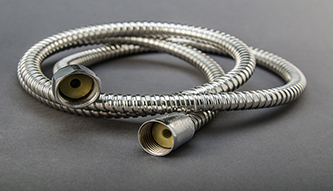
    Sooner or later, your flexible hose will need replacement. This may be because of issues, or it’s just worn out. Fortunately, replacing a flexible hose doesn’t have to rob you of your money. If you know the right way of doing things, you can just invest effort and minimal costs. In this post, I’m going to give you the low down on how to replace this little piece of hosing!

    Step 1: Prepare Your Working Area & Materials

    First and foremost, you should prepare your working area for the replacement process. Although replacing a flexible hose is not an extensive job, you should still ensure that the environment, a.k.a. the sink, is ready for the tasks to come.

    To do this, you should make sure that the place under your sink is clean. Dry the pipes with a cloth and ensure that no algae or moss are surrounding them. In this way, the process will be easier and more hygienic.

    In addition to the working are, you should also prepare all the materials beforehand, you can get these pieces from your local DIY shop. These include:

    • Towel or any other cloth for cleaning
    • Wrench
    • Pliers
    • New flexible hose
    • Thread sealing tape/Plumber’s tape

    Make sure that your new flexible hose has the same measurement as the old one’s. If not, the process won’t be possible due to fitting issues.

    Step 2: Turn Off The Water Supply Valve

    Photo Credit – Pixabay

    Once the working area is ready, proceed to turn off the water supply valve. This is necessary as not doing so will lead to the water going all over the place later on.

    If you’re not familiar with the valve’s location, simply trace the pipes that connect the tap to the supply line. Usually, that is where you’ll find it. For households that have both cold and hot water, there will be two valves for that. Turn both off to prevent water-related issues.

    In terms of turning a valve off, you just need to turn them to the right. Follow the clockwise rotation.

    Step 3: Remove Excess Tap Water To Avoid Pressure

    Turning off the water supply doesn’t get rid of those that are stored in your tap. Removing them is also required to avoid high water pressure after the replacement process. In addition, it will prevent leaks when the hose is removed.

    To remove the said excess water, turn on all of the tap on the certain sink. These apply to taps for hot water, cold water, and regular ones. Turn them off once nothing is coming out.

    In some cases wherein the taps’ water supply is still continuous, you have to look into the valve’s issue first before proceeding to hose replacement. You may need a plumber for this concern.

    Step 4: Check The Current Flexible Hose For Leaks & Other Issues

    If the valves and taps are all working properly, you can move on to the fourth step. Here, you have to check the condition of your current flexible hose. This will give you an overview of its existing issues, and thus, you’ll know if you can proceed to replacement.

    For minor issues like leaks and rust, you can go on to the next tasks. However, if there are hazards involved, you should call a professional. These can involve chemical-related damages and likes. For leaks, make sure to lay down a towel, or any absorbent cloth, before moving on.

    Step 5: Remove Current Flexible Hose

    In this step, you need to remove and detach your current flexible hose. If it’s still in a somewhat good condition, you can simply turn the hose around. This is the same thing as removing a bottle’s cap. On the other hand, if it’s difficult to detach the hose, use an adjustable wrench. The tool will loosen the hose and will make it easier for you to remove it.

    Encountering minimal drips despite the shut-off valve is normal.

    Step 6: Check The Valve & Sink Line For Unattended Parts

    For very old hoses, their parts can get loose over time. Thus, when you have removed your flexible hose, check both the valve and sink line to see if it left some parts like the rubber gasket. If so, you need to remove it with the use of pliers. This will ensure that the new hose can fit just right with your pipes, difference in pipes may cause an issue.
    Note that if there is any part left on the sink line, you need to take extra care in removing it. In this way, you won’t damage your threads.

    Step 7: Wrap Threads With Sealing Tape

    After removing the old hose, you will be left with threads. You have to dry it and wrap it with sealing tape. This will make it more durable. In addition, it will ensure that the threads and the new hose can fit in better.

    In certain thread types and hoses, sealing tape is not necessary. Usually, this applies to flexible hoses that come with a rubber gasket. Nevertheless, make sure to ask the store where you bought the hose about this topic.

    Step 8: Install Your New Flexible Hose

    For this next task, you can finally attach the new hose to your threads. Just connect the hose in the same way as the old one. To be specific, you have to connect both the tap end and the hose end.

    You need to tighten the ends, either by hand or through the use of a wrench, to make sure that they will stay put. Again, you need to follow the clockwise rotation.

    Pay attention to how much you tighten the hose. Overdoing it can cause damage to the threads, and thus, a faulty performance.

    Step 9: Check The Performance Of Your New Hose

    After replacement, you can now check your hose’s performance. To do so, you can simply turn the valve and the tap on. Regular water flow can take minutes because of the valve. Also, you should check out if the hose you attached leaks while the water is on. Take note of other related issues as well.

    If there are no issues with the threads, the hose, or the water supply, you’re all done with the replacement process.

    Summary

    The tasks above are the simplest ones to do when it comes to how to replace flexible hose under the sink. As long as you follow the steps, you will end up with a new and fully functional flexible hose in no time. To ensure that the results will be of high quality, you should pay attention to how you will perform the tasks.

    If the problem persists you might want to swallow your pride and seek the assistance from a locally situated and qualified plumber or plumbers, that are qualified as it maybe something else entirely!

    Now that you have sorted your bathroom problem, head on over to our fine blog section. We have articles that cover a range of topics including bedroom renovations and creating your own DIY makeup vanity unit!

  • Common Heating Unit Problems

    Common Heating Unit Problems

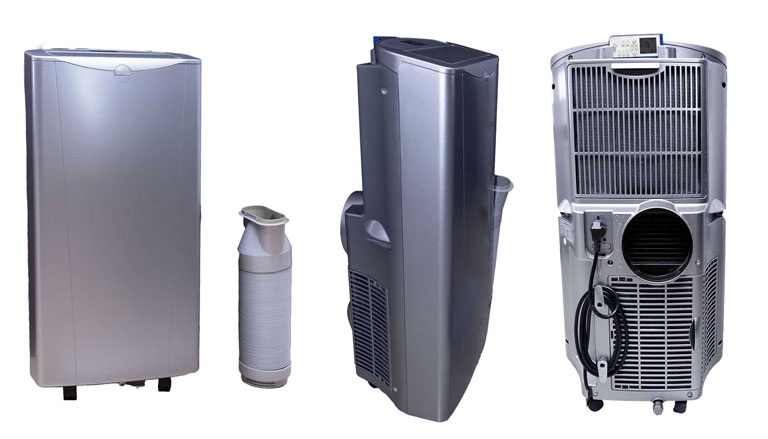
    4 different air conditioning units

    Image Source

    Winter season is the time when there is a dire need for us to warm up our homes. Especially when it’s cold outside, the first snow has fallen, and you have to get up early to go to work. We don’t realize the gravity of the situation until we turn on our bathroom taps or turn on the shower. The water is icy cold and after waiting for a couple of minutes still, there is no warm water.

    This is is when you call your heating installation companies to replace your broken heating unit or call a professional like a plumber to fix the heating unit. As long as the heating works, everything is fine. In the event of a malfunction or even a failure, the heating system becomes the focus. Unfortunately, this happens when you turn on your heating after several months in the winter season. Probably it has some gas leaks or other issues that were not identified before.

    In these situations, you need to hire an expert. Lets say you live in North Shore in Australia where my sister lives, just type into Google “plumber in North Shore” or “plumbers near me” and you will find a lot that will help you and fix your heating unit and get it running efficiently.

    Following are some common plumbing and gas problems:

    1.     The Heating System is Down

    If the heating system is completely cold, even though the thermostats are on, or in the worse case does not start at all, this may be due to its settings not being correct. Due to advancements in technology most heating units are synced to our mobile devices or laptops. First, check the settings of the heating unit before calling in a professional.

    A quick look at the manometer also shows the water pressure in the system. If this falls below 1.0 bar, this can be responsible for the failure of the heating. Also, check whether the circulation pump is switched on and running smoothly. Because this ensures that the heating water is distributed in the system.

    Finally, when it happens repeatedly that the fuel ran out early and the heating, therefore, remains cold then find the cheapest specialist company to get your heating unit fixed.

    2.     The Radiators Fail to Heat Up

    If the radiator only gets warm at the top or only at the bottom, then the heating unit will not work to its optimum level. As a result, the room temperature does not reach the required level. The reason is usually very simple there is too much air in the heating system, especially at the beginning of the heating season. As a result, the heat is not evenly distributed.

    A quick fix to the problem is to turn on all the radiators, wait for a little while, and then open the individual radiators until all the air has escaped. Then the radiators should start working again and heat the room quickly.

    The reason may also be that the setting of the heating system is not at the optimal level. This is also reflected in the fact that the room is not heated to the set temperature. Hydraulic balancing, which is carried out by a specialist, helps here.

    3.     The Heating Unit is Making Noise

    There are continuous whistles and gurgles whenever you turn on the heating unit. Which is usually annoying, but it is harmless. By opening the vents often the noises disappear.

    Homeowners can easily open the vent of the heating themselves. Tenants should inform the property manager or the caretaker. If the heating noises are not gone afterward, a specialist company should be consulted.

    Tip: When the heating is turned on, it is normal to hear the water flowing for a while.

    Knocking and cracking sounds can be heard if the pipes are too close together and they touch. The pipe with warm heating water expands and then touches the cold-water pipe. The only help here is to relocate or realign the heating pipes. Since the wall has to be opened for this, this is a major repair that incurs costs.

    Rattling can occur if the radiator’s supply and return pipes have been swapped. Sometimes it happens that this is not recognized when installing the heater. The radiators get warm, but the heating water flows through the heating valves in the opposite direction. This creates rattling. To remedy this, a heating installer must install other valves.

    Tip: Tenants should always inform the house owner, the property manager or the responsible caretaker and not fix the heating unit themselves.

    How do you test that yourself? Turn off the heating completely and let it cool down. Then the heater is turned on again. If the lower heating pipe warms up first, the flow and return have been incorrectly installed.

    If the heater makes a clear humming sound, it can have a variety of triggers. From a defective pump and loose pipes to incorrect heating settings – if you are not a specialist, you will hardly be able to tell the differences. With this non-specific sound, you should let an experienced expert come. It is advisable to act quickly because the problem can also get worse.

    Especially with heating units that use oil as fuel, there may be unpleasant squeaking noises on the burner. Here you should switch off the heating as quickly as possible and consult a specialist. This noise may be caused by insufficient oil getting into the burner.

    4.     There is a Leak in the Heating Unit

    If the heater loses water, there can be various reasons for this. For example, old and porous seals can cause water to escape at the connection point. An expert should replace the seals to avoid major consequential damage.

    However, radiators or pipes can also leak. This can be caused by rust, defective products or external damage. Finding and correcting these defects is usually time-consuming and also cost-intensive. A heating installer should inspect and repair the damage as quickly as possible. Because water damage increases over time if it goes unnoticed.

    5.     The Heating Sensor Not Working

    If the heating becomes warm but does not regulate when the room temperature is reached, this may also be due to a defective thermostat valve. If you suspect that the room is getting too warm, simply switch off the radiator. In the event of a defect, it remains warm and does not cool down.

    If only the pin is stuck in the thermostatic head, you can easily fix this with a soulful sleep on the spindle pin. This often happens when the heating thermostats have been switched off completely during the summer.

    Tip: Never turn off the heating thermostats completely during the summer. Otherwise, the valve pin can get stuck.

    If the radiator temperature is controlled by an external sensor, it can happen that it has been covered. A ceiling, curtain or piece of furniture can separate the sensor from the room air in such a way that it can no longer function. If the interference factor is removed, the control of the radiator should also be. Here are the major reasons to hire a professional plumber in certain situations.

    Conclusion

    If you encounter one of the above issues with your plumbing and gas at home, it is a good idea to contact a specialist or a professional to come and fix it. You should not take these problems lightly as they can lead to much greater damage and cause your entire heating unit to break down.