Interior Lighting Design

  • How Much Does A LED Night Light Cost To Run

    How Much Does A LED Night Light Cost To Run

    Are you considering using a LED night light but unsure about the costs?

    We explore the benefits of using a LED night light, how they work, and most importantly, how much it costs to run them.

    From energy efficiency to factors affecting costs, we cover everything you need to know about running a LED night light.

    Learn how you can save money while using this modern lighting solution.

    What Is A LED Night Light?

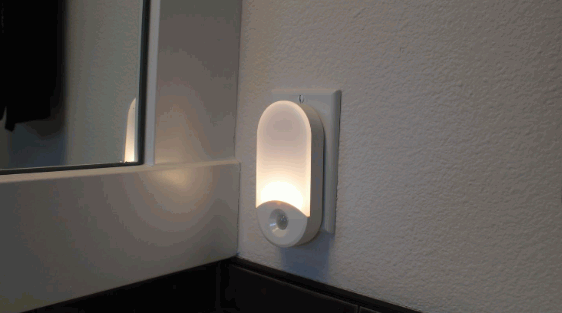
    A LED Night Light is a type of energy-efficient lighting solution that is commonly used in households. It utilises LED technology to provide illumination during the night for various purposes such as comforting children, enhancing visibility in dark spaces, or serving as a low-energy alternative to traditional incandescent night lights in the UK.

    LED night lights are not only practical but also versatile, finding applications in bedrooms, corridors, bathrooms, and even nurseries due to their gentle glow. The benefits of using these lights are manifold, including their long lifespan, immediate illumination upon activation, and cool operation that eliminates any risk of burns. Their energy-saving features make them an environmentally friendly choice, playing a significant role in reducing electricity consumption and overall carbon footprint. LED technology revolutionises the concept of night lighting, offering a blend of functionality, aesthetics, and eco-friendliness.

    How Does A LED Night Light Work?

    LED Night Lights operate by utilising Light Emitting Diodes (LEDs) to convert electrical energy into light energy efficiently. Unlike traditional incandescent nightlights that produce light by heating a filament, LED nightlights in the UK use semiconductor materials to generate illumination, resulting in a more energy-efficient and long-lasting lighting solution.

    This innovative technology allows LED night lights to consume significantly less power while providing bright and consistent light. LEDs emit light when current flows through them, releasing photons that illuminate the surroundings. The efficiency of LED technology is commendable, as it minimizes heat loss and focuses on producing light directly, reducing energy waste. The long lifespan of LED bulbs means fewer replacements and less material waste, making them a sustainable choice for environmentally conscious consumers.

    What Are The Benefits Of Using A LED Night Light?

    Using a LED Night Light offers various benefits, including energy efficiency, low electricity consumption, and a longer lifespan compared to traditional incandescent nightlights in the UK.

    LED night lights not only help reduce your electricity bills but also contribute to a greener environment by requiring less energy to function. Their long lifespan eliminates the need for frequent replacements, saving you both time and money in the long run. What’s more, the bright light output from LED night lights ensures clear visibility in dark spaces, adding a sense of security to your home. With their cost-saving and energy-efficient characteristics, LED night lights are undoubtedly a smart investment for any household.

    Energy Efficiency

    Energy efficiency is a key feature of LED nightlights, as they require less energy to produce bright illumination compared to traditional incandescent nightlights. LED technology ensures that energy consumption is minimised while providing sufficient light output, making them a sustainable lighting choice for households in the UK.

    LED night lights have significantly lower power consumption levels, which not only help in reducing electricity bills but also contribute positively to the environment by decreasing overall energy usage. This efficiency is due to the way LED technology converts electricity into light without generating excess heat, making them an ideal eco-friendly lighting solution for modern homes.

    Long Lifespan

    LED night lights have a significantly longer lifespan compared to traditional incandescent night lights commonly used in the UK. The durable nature of LED technology ensures that these lights can last for thousands of hours, reducing the need for frequent replacements and maintenance.

    LED night lights are designed to withstand the test of time, offering a remarkable longevity that surpasses conventional lighting solutions. With an average lifespan of up to 50,000 hours, these energy-efficient fixtures outshine their incandescent counterparts in terms of durability.

    The robust construction of LED night lights means they are less prone to damage from external factors, ensuring consistent performance over an extended period. This longevity not only guarantees peace of mind for users but also translates into substantial cost savings over time.

    Low Heat Emission

    LED nightlights produce minimal heat compared to incandescent nightlights, making them a safer and more energy-efficient lighting option for households. The low heat emission of LED technology reduces the risk of burns or fire hazards, providing a secure lighting solution for various applications.

    The reduced heat output of LED night lights contributes significantly to their longevity and durability, as excessive heat can decrease the lifespan of traditional lighting sources. This characteristic makes LEDs not just safer but also more cost-effective in the long run, requiring less frequent replacements. The low heat emission of LED night lights enhances their eco-friendliness by minimising energy consumption, aligning with sustainable practices, and reducing their carbon footprint.

    The combination of enhanced safety, energy efficiency, and reduced fire risk makes LED night lights a smart choice for households looking to illuminate spaces efficiently and responsibly.

    Versatility

    LED night lights offer versatility in terms of design, brightness levels, and features, catering to various lighting needs and preferences in households across the UK. From adjustable brightness settings to decorative designs, LED night lights provide customisable options for different applications.

    Whether you are looking for a soft, ambient glow for a nursery or a bright, practical light for a hallway, LED night lights can be tailored to suit your specific requirements. The versatility of these lights extends beyond functionality, as they also come in a range of shapes and sizes, from sleek, modern designs to charming novelty motifs. LED night lights are energy-efficient and long-lasting, making them a sustainable choice for environmentally conscious consumers.

    How Much Does A LED Night Light Cost To Run?

    Calculating the cost of running a LED Night Light involves considering factors such as the wattage of the light, the cost of electricity in the UK, the number of hours the light is used each day, and the overall energy consumption of the LED night light.

    One of the key components influencing the running cost of a LED night light is wattage. The wattage indicates how much power the light consumes, impacting the electricity bill. Higher-wattage bulbs typically result in increased energy expenditure.

    The electricity rates play a significant role in determining operational expenses. In the UK, the cost of electricity fluctuates, directly affecting the overall cost of running the night light. It’s crucial to keep abreast of the current rates to estimate the ongoing expenses accurately.

    The usage patterns of the LED night light also contribute to its running cost. Extending the duration of usage each day will naturally lead to higher electricity bills. Conversely, utilising the light judiciously can result in substantial savings over time.

    By focusing on minimising energy consumption through the selection of energy-efficient bulbs and adopting prudent usage habits, individuals can not only reduce their environmental impact but also enjoy significant cost-saving benefits in the long run.

    Wattage Of LED Night Light

    The wattage of a LED night light plays a crucial role in determining its energy consumption and operating costs. Lower-wattage lights are more energy-efficient and cost-effective to run, as they consume less electricity while providing adequate illumination for night-time use.

    Choosing a LED night light with the right wattage can make a significant difference in your energy bills over time. Higher-wattage lights may provide brighter light, but they also consume more power, resulting in increased electricity costs. It’s essential to strike a balance between sufficient brightness and energy efficiency.

    Opting for LED night lights with lower wattage not only saves you money on your energy bills but also contributes to a more sustainable and environmentally friendly lifestyle. These energy-efficient lights have a longer lifespan and emit less heat, making them safer to use in households with children or pets.

    Cost Of Electricity

    The cost of electricity in the UK directly impacts the overall expense of running a LED night light. Higher electricity rates result in increased operational costs for using the light over time, making it essential to consider energy prices when calculating the total expense.

    When analysing the impact of electricity costs on LED night lights, it becomes evident that varying energy rates can significantly affect the final expenditure. For instance, locations with lower electricity tariffs can lead to more cost-effective operation of these lights, resulting in decreased long-term expenses. Conversely, areas with higher electricity rates may necessitate more strategic planning to optimise usage and minimise costs. This underscores the importance of adopting energy-efficient lighting solutions to combat escalating electricity expenses and promote sustainable practices.

    Hours Of Usage

    The number of hours a LED night light is used each day directly influences its running costs, as extended use results in higher electricity consumption.

    Optimising the duration for which LED night lights are in use can significantly impact the operational expenses within a household. By strategically managing the usage hours, individuals can not only contribute to energy savings but also enhance the overall cost efficiency of their lighting setups. The relationship between usage patterns and cost efficiency is crucial to consider when aiming to create a sustainable and budget-friendly environment at home.

    Calculating The Cost

    To calculate the cost of running a LED night light, multiply the wattage of the light by the number of hours it is used daily, then multiply the result by the electricity rate per kilowatt-hour (kWh). This formula provides an estimate of the daily, monthly, and yearly expenses associated with operating the LED light.

    Using this simple yet effective method, individuals can gain insights into the financial implications of using LED night lights. By understanding and analysing these costs, one can make informed decisions on usage patterns and potentially save on electricity bills. To achieve a more precise calculation and gain a deeper understanding of energy consumption, utilising specialised energy calculators comes highly recommended.

    What Factors Can Affect The Cost Of Running A LED Night Light?

    Several factors can influence the cost of running a LED Night Light, including the type and quality of the light, usage patterns, and fluctuations in electricity rates in the UK. Understanding these variables is essential for managing expenses and maximising energy savings when using LED lighting solutions.

    In terms of the type of LED night light used, energy-efficient LED bulbs are typically more expensive upfront but can significantly lower operational costs in the long run, making them a sustainable choice.

    Individual usage habits play a crucial role in determining electricity consumption. Simple practices like turning off lights when not in use or utilising dimmer settings can make a noticeable difference in monthly bills.

    Keeping an eye on electricity pricing trends allows consumers to adjust usage patterns according to the most cost-effective times, ultimately reducing overall expenses.

    Type Of LED Night Light

    The specific type of LED night light chosen for use can significantly affect the associated running costs and energy consumption. Different types of lights may vary in wattage, brightness levels, and efficiency, impacting the overall expense of operating the LED light in households in the UK.

    For instance, opting for a LED night light with lower wattage can lead to reduced energy usage and subsequently lower electricity bills. Similarly, choosing a model with higher energy efficiency ratings can contribute to significant long-term savings. It is essential for consumers to consider these factors when selecting LED night lights to ensure not only cost-effectiveness but also environmentally friendly practices. By understanding the nuances of LED technology and its impact on energy consumption, individuals can make informed decisions that align with their budgetary constraints and sustainability goals.

    Brand And Quality

    The brand and quality of a LED night light can impact its performance, durability, and energy efficiency, ultimately influencing the running costs associated with its usage. Opting for reputable brands and high-quality lights can ensure long-term savings and reliable illumination in UK households.

    When selecting a LED night light, it’s crucial to consider the reputation of the brand and the overall quality of the product. Not only does this affect how well the light functions and how long it lasts, but it also plays a significant role in the amount you pay for energy consumption. By investing in lights from trusted manufacturers known for their durability and efficiency, homeowners can significantly reduce their electricity expenses over time.

    Usage Patterns

    The usage patterns of a LED night light, such as the frequency of use, duration of operation, and intensity settings, can affect the overall running costs and energy consumption. Optimising usage patterns based on lighting needs and efficiency goals can lead to significant savings over time in UK households.

    For instance, adjusting the intensity settings of the LED night light to match the required brightness can help in reducing unnecessary energy consumption. Being mindful of when to switch off the night light, especially during daylight hours or when not in use, can further contribute to cost savings.

    Tailoring your usage habits to fit your specific lifestyle and lighting requirements is crucial for maximising energy efficiency and minimising expenses associated with running LED night lights. By incorporating these simple yet effective strategies, households can not only save money but also reduce their overall carbon footprint.

    Electricity Rates

    Fluctuations in electricity rates in the UK can directly influence the operational costs of running a LED night light. Understanding and monitoring changes in energy pricing can help households adjust usage habits, explore cost-saving options, and make informed decisions regarding energy-efficient lighting solutions.

    For instance, during periods of higher electricity rates, the expenses related to keeping a LED night light on throughout the night can significantly increase. This can lead to unexpected spikes in the monthly energy bills, impacting overall household budgets.

    Managing these variations requires proactive measures such as scheduling the use of night lights strategically, opting for energy-efficient models, and taking advantage of off-peak hours when rates are lower to minimise costs.

    Staying informed about electricity rates is crucial for households looking to optimise their energy expenditure. By keeping abreast of tariff changes and market trends, individuals can make smarter choices on when and how to use night lights, ensuring both cost savings and environmental sustainability.

    How Can You Save Money On Running A LED Night Light?

    There are several strategies to save money on running a LED Night Light, including choosing energy-efficient models, using timers or motion sensors for controlled operation, turning off the light when not in use, and considering solar-powered options for sustainable and cost-effective lighting solutions in the UK.

    One key aspect to consider when looking to reduce costs associated with LED night lights is the energy-saving practices that can be implemented. By investing in energy-efficient models, you not only lower your electricity bills but also contribute towards a greener environment.

    Utilising timers or motion sensors allows for more controlled and efficient operation of the night light, ensuring it is only in use when necessary. Adopting simple habits like switching off the light when not required can significantly impact your energy consumption and expenses.

    Choose Energy-Efficient LED Night Lights

    Selecting energy-efficient LED night lights with high efficacy ratings and low power consumption can help reduce operating costs and minimise electricity usage in UK households.

    • Criteria for selecting efficient models include:
    • look for high lumens per watt output
    • opt for lights with adjustable brightness settings
    • consider motion-sensing or timer features to further save energy

    By choosing night lights that meet strict efficiency standards and offer long-lasting performance, households can ensure they are making a sustainable choice for their lighting needs.

    Investing in energy-efficient LED night lights not only lowers utility bills but also contributes to reducing the carbon footprint. By transitioning to LED lighting options, homeowners can enjoy significant cost savings over time, as these lights generally last longer and have lower maintenance requirements than traditional alternatives.

    Use Timers Or Motion Sensors

    Incorporating timers or motion sensors in LED night lights enables automated control over their operation, ensuring efficient use and reducing unnecessary energy consumption.

    Timers allow users to schedule when the LED night lights turn on and off, adapting to different daily routines effortlessly. On the other hand, motion sensors detect movement, triggering the light to illuminate only when presence is detected, offering both convenience and security. Smart controls, such as smartphone apps or voice activation, further enhance efficiency by providing remote access and personalised settings. Leveraging these features not only reduces electricity bills but also contributes towards a more sustainable environment by minimising energy wastage. Tailoring the use of timers, motion sensors, and smart controls according to specific needs can significantly enhance the effectiveness and cost-effectiveness of LED night lights in homes.

    Turn Off When Not In Use

    Turning off a LED night light when it is not needed can significantly contribute to energy savings and reduce operational costs. Encouraging responsible usage habits, such as switching off the light during daylight hours or when not in use, promotes efficiency and cost-effectiveness in UK households.

    By adopting simple practices like unplugging devices when fully charged or not in use, households can further reduce their electricity consumption and environmental impact. Conserving energy is not only beneficial for the environment but also helps in lowering electricity bills. Setting timers on appliances like washing machines and dishwashers to operate during off-peak hours can lead to additional savings. Embracing energy-efficient technologies, like smart thermostats and LED bulbs, can also play a significant role in reducing overall energy usage and fostering a sustainable lifestyle.

    Explore: Is LED Lighting Sustainable

    Consider Solar-Powered LED Night Lights

    Opting for solar-powered LED night lights harnesses renewable energy sources to illuminate spaces, offering a sustainable and cost-effective lighting solution for UK households. Solar-powered lights can operate independently from the grid, reducing electricity bills and enhancing environmental sustainability.

    These innovative lights rely on solar power to charge during the day, converting sunlight into energy that can be used during the night, eliminating the need for electricity consumption. This not only leads to significant cost savings but also helps reduce the carbon footprint, contributing to a cleaner and greener environment. Solar-powered LED night lights require minimal maintenance, making them a hassle-free and durable lighting option for homes. By choosing sustainable lighting alternatives like these, homeowners can play a part in conserving energy resources and promoting environmental consciousness in their communities.

  • Is LED Lighting Sustainable

    Is LED Lighting Sustainable

    LED lighting has become increasingly popular in recent years due to its energy efficiency and long lifespan.

    But is LED lighting truly sustainable? We will explore how LED lighting works, its benefits, environmental impacts, and challenges of implementation.

    Find out ways to make LED lighting more sustainable, such as improving manufacturing processes and proper disposal. Delve deeper into the world of LED lighting and its impact on the environment.

    What Is LED Lighting?

    LED lighting refers to light fittings that use Light Emitting Diodes (LEDs) as a source of illumination. These fittings are designed to produce light by passing an electrical current through a semiconductor material, resulting in efficient and long-lasting lighting solutions.

    LED technology offers numerous advantages over traditional lighting sources. One of the key benefits is the energy efficiency it provides. LEDs consume significantly less power than incandescent or fluorescent bulbs, making them a cost-effective lighting solution. LEDs have a longer lifespan, reducing the frequency of replacements and maintenance costs.

    LED lighting is environmentally friendly due to its low energy consumption, reducing carbon emissions and energy waste. This makes LEDs a sustainable choice for both residential and commercial settings.

    Explore in-depth: Are LED Ceiling Lights Any Good

    How Does LED Lighting Work?

    LED lighting works by converting electrical energy into light through the process of electroluminescence in semiconductor materials, producing highly efficient and directional illumination.

    One of the key elements that make LED lighting so efficient is the role of semiconductor materials within the diode. When an electric current passes through these semiconductors, it excites the electrons, causing them to release energy in the form of photons, which are the particles of light.

    What sets LEDs apart from traditional lighting sources is their ability to emit light in a specific direction, thanks to the unique design of the diode. This directional light output minimises wasted light and maximises efficiency, making LEDs an ideal choice for various applications where precision and energy efficiency are crucial.

    What Are The Benefits Of LED Lighting?

    LED lighting offers numerous benefits, including exceptional energy efficiency, long lifespan, minimal heat emission, and eco-friendliness due to reduced energy consumption and toxic elements.

    One of the key advantages of LED lighting is its unmatched energy efficiency. LEDs use significantly less power than traditional lighting sources, translating into lower electricity bills and reduced carbon footprint. The long lifespan of LED bulbs means less frequent replacements, saving both time and money in the long run. The minimal heat emission of LEDs contributes to a safer and cooler environment, making them ideal for various applications. The eco-friendliness of LED technology aligns with the growing focus on sustainable practices, offering a greener lighting solution for the future.

    Energy Efficiency

    Energy efficiency is a hallmark of LED lighting, with LED bulbs consuming significantly less energy compared to traditional incandescent or fluorescent lights, resulting in substantial energy savings.

    LED bulbs are known for their low wattage, which means they use less power to produce the same amount of light as conventional bulbs. This lower energy consumption makes them incredibly efficient and cost-effective. In fact, an LED bulb can use around 75% less energy than an incandescent bulb to produce the same amount of light.

    By using less energy, LED technology plays a crucial role in reducing carbon emissions and lessening the strain on the energy grid. The long lifespan of LED bulbs also contributes to their energy efficiency, as they need to be replaced less frequently, further reducing energy consumption.

    Long Lifespan

    LED lighting boasts an extended lifespan compared to traditional light bulbs, requiring minimal maintenance and providing durable lighting solutions that contribute to long-term energy savings.

    What sets LED lighting apart from conventional options is its remarkable durability, making it a reliable choice for both domestic and commercial settings. With an average lifespan that can exceed traditional bulbs by thousands of hours, LED fixtures prove to be a cost-effective lighting solution over time. The low maintenance requirements of LEDs significantly reduce the hassle and expenses associated with frequent bulb replacements. This longevity not only benefits consumers by reducing electricity bills but also has a positive impact on the environment through decreased energy consumption.

    Low Heat Emission

    One of the notable advantages of LED lighting is its low heat emission during operation, making it a safer and more energy-efficient lighting option that reduces the risk of fire hazards.

    LED lights produce minimal heat because they convert a higher percentage of energy into light rather than heat, unlike traditional incandescent or fluorescent bulbs. This characteristic not only enhances safety by reducing the risk of burns or overheating but also contributes to energy efficiency, as less energy is wasted in the form of heat. LED lighting fixtures are designed with efficient heat dissipation mechanisms, such as heat sinks or thermal management systems, which further minimise any residual heat generation.

    Environmentally Friendly

    LED lighting is environmentally friendly as it does not contain hazardous materials like mercury found in fluorescent lights, reducing the environmental impact and promoting sustainable lighting solutions.

    One of the key eco-friendly aspects of LED lighting is its energy efficiency. LEDs consume significantly less electricity compared to traditional incandescent bulbs, leading to lower energy consumption and reduced greenhouse gas emissions. This contributes to a smaller carbon footprint and aligns with the global push for energy conservation.

    LED technology also boasts a longer lifespan, reducing the frequency of replacements and resulting in less waste generation. This prolonged durability minimises the overall environmental impact associated with the production, transportation, and disposal of lighting fixtures.

    Is LED Lighting Sustainable?

    LED lighting is a sustainable lighting solution that aligns with energy-efficient practices, promotes recycling of components, and reduces the carbon footprint associated with traditional lighting technologies.

    LED technology has gained popularity due to its long lifespan, which significantly reduces the need for frequent replacements and helps in conserving resources. LED lights emit less heat compared to incandescent bulbs, making them more energy-efficient. This reduced heat emission also contributes to a safer and more comfortable environment, especially in enclosed spaces. The durability of LED lighting further enhances its sustainability by minimising material waste and supporting a circular economy through the recycling of components.

    What Are The Environmental Impacts Of LED Lighting?

    LED lighting has positive environmental impacts by reducing carbon emissions, promoting energy efficiency, and facilitating the recycling of components to minimise waste and enhance sustainability.

    LED lighting achieves carbon emission reduction by consuming less energy than traditional lighting sources, resulting in a lower carbon footprint. The energy savings are notable, with LEDs using up to 80% less energy and lasting significantly longer than incandescent bulbs. This not only lowers electricity bills for households and businesses but also decreases the overall demand for electricity, leading to a more sustainable energy consumption pattern.

    How Does LED Lighting Compare To Traditional Lighting In Terms Of Sustainability?

    LED lighting outperforms traditional lighting sources in terms of sustainability, offering superior energy savings, efficiency, and reduced carbon footprint, making it a more environmentally responsible choice.

    One of the key advantages of LED lighting is its extended lifespan compared to incandescent bulbs, lasting up to 25 times longer. This not only reduces the frequency of replacements but also minimises the overall waste produced. LED lights emit very little heat, leading to lower cooling costs and further energy savings, enhancing their sustainability credentials. By incorporating advanced technology such as sensors and dimmers, LED systems can be optimised for maximum efficiency, providing precise lighting control while minimising energy consumption.

    What Are The Challenges Of Implementing LED Lighting?

    Implementing LED lighting faces challenges such as high upfront costs, limited colour options, and the need for proper disposal methods to address the environmental impact of old LED lights.

    Those considering transitioning to LED lighting may be deterred by the initial expense involved. While the energy efficiency of LEDs can lead to long-term savings, the higher cost spectrum compared to traditional lighting options can be a barrier to adoption. The limited hue options available with LED bulbs might not cater to every lighting preference, hindering personalisation and design choices. The sustainable disposal of old LED lights poses a significant challenge that demands responsible recycling and waste management solutions.

    High Upfront Costs

    One of the primary challenges of LED lighting adoption is the high upfront costs involved in purchasing LED fittings and retrofitting existing lighting systems, necessitating initial investments that can deter some consumers.

    Despite these initial costs, the financial implications of transitioning to LED technology are far-reaching and beneficial in the long term. The energy efficiency of LEDs results in significant cost savings on electricity bills over time, making them a wise investment for both domestic and commercial spaces. Along with lower energy consumption, LEDs have a much longer lifespan compared to traditional lighting options, reducing maintenance and replacement expenses.

    These long-term savings not only offset the initial investment but also contribute to a more sustainable and eco-friendly lighting solution.

    Limited Colour Options

    LED lighting faces the challenge of limited colour options compared to traditional lighting sources, affecting aspects like colour appearance and the availability of specific lighting fixtures.

    This constraint can greatly impact the overall ambiance of a space, as the colour temperature of the lighting can influence the mood and atmosphere. With a limited colour range, it becomes challenging for designers to achieve the desired aesthetic or create specific lighting effects. Advancements in LED technology have led to solutions such as RGB LEDs, which offer a wider spectrum of colours and allow for more creative design possibilities in architectural lighting.

    Disposal Of Old LED Lights

    Proper disposal of old LED lights poses a challenge in ensuring sustainability and minimising the environmental impact of electronic waste, requiring efficient recycling methods to handle end-of-life LED products.

    LED lights have gained popularity for their energy efficiency and durability, but their disposal at the end of their lifespan is often overlooked. When disposed of improperly, these lights can release toxic substances into the environment, posing risks to wildlife and human health. Recycling initiatives play a crucial role in mitigating these dangers by extracting valuable components and minimising the amount of electronic waste sent to landfills.

    How Can We Make LED Lighting More Sustainable?

    Enhancing the sustainability of LED lighting involves improving manufacturing processes, promoting proper disposal and recycling methods, and integrating renewable energy sources to minimise the environmental footprint of LED technologies.

    One key strategy to achieve sustainability in LED lighting solutions is to focus on optimising manufacturing processes. By streamlining production methods and increasing energy efficiency in manufacturing plants, energy consumption can be reduced, leading to lower carbon emissions and overall environmental impact.

    Another vital aspect is encouraging recycling practices within the LED industry. Establishing recycling programs for used LED products can help recover valuable materials and decrease the amount of electronic waste that ends up in landfills.

    Incorporating renewable energy sources like solar or wind power into the production of LED lights can significantly reduce the reliance on non-renewable energy resources. This holistic approach towards sustainability not only benefits the environment but also contributes to creating a more eco-friendly LED lighting industry.

    Improving Manufacturing Processes

    Improving the manufacturing processes of LED lighting entails enhancing production efficiency, reducing waste, and implementing innovative technologies to optimise resource utilisation and minimise environmental impact.

    1. Efficiency improvements in LED manufacturing can be achieved through advanced automation and streamlined production lines. By integrating smart technologies such as IoT sensors and data analytics, manufacturers can optimise energy usage and reduce production cycle times.
    2. Waste reduction can be addressed by implementing lean manufacturing principles and recycling programmes to minimise material wastage. Technological advancements like 3D printing for customised components and automated quality control systems can enhance product quality and consistency.

    Adopting sustainable manufacturing practices in LED lighting not only reduces the environmental footprint but also provides long-term benefits such as cost savings, improved brand reputation, and regulatory compliance. By designing products with eco-friendly materials, utilising renewable energy sources, and implementing circular economy principles, manufacturers can create more durable and energy-efficient LED products that resonate with environmentally conscious consumers.

    Proper Disposal And Recycling

    Ensuring proper disposal and recycling of LED lighting components is crucial for sustainability, requiring efficient waste management systems and recycling facilities to handle end-of-life LED products responsibly.

    LED lighting is gaining popularity due to its energy efficiency and durability, but it’s essential to address the environmental impacts of its disposal.

    Implementing sustainable waste management practices involves creating a closed-loop system where materials are reused or recycled. Consumers can contribute by opting for certified disposal services or returning products to manufacturers for recycling. Businesses can establish take-back programmes or partner with recycling facilities to ensure environmentally friendly disposal. It’s important to raise awareness about the significance of proper disposal to minimise electronic waste and promote a greener future.

    Incorporating Renewable Energy Sources

    The integration of renewable energy sources with LED lighting systems can further enhance sustainability by reducing dependency on the conventional energy grid and utilising natural resources for powering energy-efficient lighting solutions.

    By leveraging the capabilities of the sun or wind through solar panels or wind turbines and combining it with the energy-efficient properties of LED lights, a harmonious synergy is created, resulting in a substantial decrease in carbon footprint.

    This seamless integration not only contributes to a greener environment by reducing greenhouse gas emissions, but it also leads to significant cost savings over time, making it a win-win solution for both the planet and individuals or businesses looking to adopt more sustainable practices.

  • Are LED Ceiling Lights Any Good

    Are LED Ceiling Lights Any Good

    LED ceiling lights have become increasingly popular in modern homes and commercial spaces due to their energy efficiency and long lifespan.

    We explore how LED ceiling lights work and discuss the advantages and disadvantages of using them in your space.

    From their environmental benefits to design versatility and cost-effectiveness, there are many reasons to consider switching to LED ceiling lights.

    We also provide a comprehensive guide on factors to consider before making a purchase, helping you decide if LED ceiling lights are worth it for your needs.

    How Do LED Ceiling Lights Work?

    LED ceiling lights work by utilising light-emitting diodes (LEDs) as the primary light source. These energy-efficient lights produce illumination through the movement of electrons within a semiconductor material, generating light without the heat production seen in traditional incandescent bulbs.

    LEDs function in a way where electrical currents pass through a semiconductor material, causing the electrons to move around and emit photons, which are light particles. This process is highly efficient, converting a large amount of electricity into visible light without wasting energy in the form of heat, making them cool to touch. LED ceiling lights have become a popular choice due to their longevity, with many LEDs lasting tens of thousands of hours before needing replacement.

    Advantages Of LED Ceiling Lights

    LED ceiling lights offer numerous advantages, including exceptional energy efficiency, long service life, bright illumination, and stylish design options.

    One of the standout benefits of LED ceiling lights is their remarkable energy efficiency, significantly reducing electricity consumption compared to older lighting technologies. This not only helps in lowering utility costs but also contributes to a more sustainable environment.

    Due to their extended service life, LED ceiling lights require less frequent replacement, reducing maintenance expenses and inconvenience. The brightness levels achieved by these lights can be customised to suit different preferences, providing flexibility in lighting design.

    The innovative designs and stylish aesthetics offered by LED ceiling lights complement various interior styles, enhancing the overall ambiance of a space.

    Disadvantages Of LED Ceiling Lights

    Whilst LED ceiling lights offer various benefits, they also come with some drawbacks such as a higher upfront cost, limited colour options compared to traditional bulbs, and potential heat dissipation issues that require proper maintenance. Understanding these disadvantages is crucial for well-considered choices when choosing lighting fixtures.

    One significant drawback of LED ceiling lights is their higher initial investment compared to traditional lighting options. Although LEDs are known for their energy efficiency and long lifespan, the initial cost can be a barrier for some consumers.

    Another limitation is the colour options available with LED ceiling lights. Whilst LEDs come in various colour temperatures, the range is often more limited when compared to incandescent or fluorescent options.

    Heat management is another challenge associated with LED ceiling lights. LEDs produce less heat than traditional bulbs, but improper heat dissipation can lead to decreased lifespan and performance issues.

    Regular maintenance is crucial for LED ceiling lights to ensure optimal performance over time. Cleaning, checking for any loose connections, and proper ventilation are essential to avoid premature failure.

    Factors To Consider Before Buying LED Ceiling Lights

    Before purchasing LED ceiling lights, it’s essential to consider factors like the size of the room, desired colour temperature, required brightness levels, dimming options, and the guarantee and reputation of the brand. These considerations ensure that the chosen lighting fittings meet both functional and aesthetic requirements.

    Room dimensions play a crucial role in determining the number of lights needed and their placement for uniform illumination. Optimal colour temperature influences the ambience, with warmer tones creating a cosy feel and cooler tones enhancing productivity. Adequate brightness levels tailored to the room’s purpose are essential for comfort and visibility.

    Having dimming features allows flexibility in adjusting light intensity based on different activities throughout the day, contributing to energy efficiency and ambience control. Trusting a reputable brand with reliable guarantees ensures long-term durability, quality assurance, and customer support for peace of mind.

    Conclusion: Are LED Ceiling Lights Worth It?

    In conclusion, LED ceiling lights present a compelling choice for consumers looking to replace traditional lighting solutions like fluorescent fixtures.

    The advantages of LED ceiling lights go beyond just energy efficiency and longevity. These fixtures offer a wide range of design versatility, allowing consumers to customise their lighting setups according to their needs and preferences. The overall cost-effectiveness of LED technology becomes evident when considering the savings on energy bills and maintenance costs over the long term.

    Discover: How Much Does An LED Night Light Cost To Run

  • How to incorporate kelly hoppen designs into your home

    How to incorporate kelly hoppen designs into your home

    Kelly hoppen

    Kelly Hoppen is an interior designer. She was born in cape town, south africa but has come to popularity and fame in the uk and beyond. She started interior designing when she was 16 years old and she designed a friends kitchen. Since this time she has designed for celebrities and built a successful franchise, she has also written a lot of books, and appeared on dragons den for a time. she is now one of the most famous interior designers of all time

    Kelly hoppen net worth

    It is estimated that kelly hoppen is worth around £5million pounds.

    Kelly hoppen interiors

    Kelly is known as the Queen of Taupe. This Kelly hoppen Design is because she loves neutrals, her interiors are muted grey and low mood browns. This neutrality leaves us feeling calm, relaxed and the space open. There is so much to be said about these natural colours. They make us feel as if we are in our natural habitat, and therefore calm, relaxed and chilled out. This being said,many people shy away from using these colors, as it can so easily look bad or wrong. Kelly hoppen does this well and one can see from some of her interior design projects that there is something so refined and elegant about the usage of colours in design. 

    link

    Kelly hoppen partner

    She is not currently married and does not have  a partner.

    Who is KH married to ?

    She is not currently married, however she did used to be married to Graham corrett and Edwin miller. 

    Kelly hoppen Furniture

    There are a few items of interior design based furniture products that you are able to buy if you are interested. For example bedding and other design aspects such as tables , side tables and coffee tables. Which is great if you want an idea of what your home would look like if it was designed by this world renowned designer! 

    Kelly hoppen Wallpaper

    In addition to the furniture design, she also has a brill amount of wallpaper available, in taupe patterns and more, you can find this style of geometric paper at b and q or online retailers worldwide, she also a range of disney wallpaper which is super fun and cute for those looking for a pop of fun in their interior design.

    Kelly hoppen Books

    To add to the interior designing and being a celebrity, she also takes time in being a book author in interior design, and teaching people the art of interior design. 

    queen of taupe
    queen of taupe

    Kelly hoppen Home

    Where can I buy Kelly Hoppen paint?

    You can buy Kellys brand ‘perfect naturals’ from places like amazon, and other home retailers. In addition to this you can also find it online if you search for the perfect natural s renge

    How old is kelly hoppen

    Born in 28 july 1959, currently makes her 61 years old in 2020 which makes her a similar age to another famouns UK designer, india Mahdavi.

    How to install kelly hoppen wallpaper

    As with a lot of wallpaper, it will either be the paper, or the wall wallpaper. I believe the majority of the paper is pasted on the wall, and therefore, I regard it to be kind of easier than the former. With the wall, you literally mix together the wallpaper paste which will be super gluey, and then get a wallpaper paste brush. Then simply make sure your walls are prepared, and smooth. Then you can get to work and make a start on pasting the wall. You can be very generous with the amount of paste you use on the wall, then measure your paper and stick it on. This will be a relatively quick process and it really leaves things looking great. 

    Kelly hoppen : how to achieve the home of your dreams

    This is a brilliant book to achieve the home of your dreams. It has great aspects of Kellys distinctive style including the colour palette, and more. This impressive array of design in one book is a testament to Kelly Hoppen the designer as well as what ideas you can get from the book. This book is  a great intro into interiors design

    How to incorporate kelly hoppen designs into your home

    Well think , what needs to be changed? If it is a matter of space. Think about colours first . Is it just an illusion? Perhaps putting some taupe neutrals up on the walls will combat this. If this is not the case then you can continue and think about certain aspects of the furniture as well as the decor. Maybe you can swap out some boring pieces for an amazing looking piece. Who knows really it is up to you but know that KH has some great ideas to learn from. 

  • Famous interior designers in world 2020?

    Famous interior designers in world 2020?

    Yes, as with any profession there are the experts in that field. There are also Famous interior designers. This too is the case for interior designers and it is the case for famous interior designers. They are very much in demand at the moment,and sought after.

    How interior designers get famous?

    Well, naturally there are a lot of ways to become famous. Many designers have come to notoriety from their designs. If you design something amazing in this day and age, it is bound to gain traction.  In reality it is more likely who their connections are, and who they have designed for. We can even see from the past that if you design for fame, or the high up members of society you are more likely to get noticed, and famous from that.

    They also come into popularity by writing books about interior design or even being on TV. 

    Who are Italy’s most famous interior designers?

    Milan is a stylish city as we all know, so naturally it will have a lot of interior designers. In addition, Italy itself is somewhat the birthplace of chic and cool. So let us find out more about Italian designers and what some of their signature styles are. 

    Who are Italy most famous interior designs today?

    You have probably heard of some of Italy’s famous designers. For example I have a few that i have picked out so we can learn more about famous Italian designers. 

    Paola Navone

    Navone was born in Turin, she has worked with many different designers in the past and has a lot of different styles and disciplines. She has many passions and many high flying clients. 

    paola navone
    link

    Paola Navone furniture 

    In addition to interior design, she also has designed furniture . this often happens when it comes to interior design, sometimes the item you know will fit perfectly, will not actually exist, thus you need to design it yourself! She has designed some fantastic low lita armchairs and love seats. Paola Navone Sofa are totally funky and original looking. 

    Paola Navone Dinnerware is also lovely and crisp looking. For example she uses a lot of the colours that bone china, but in a completely modern way .Paola Navone generally works now in Milano, though she originated in Turin. Check out some of her designs that are lovely !

    Dimore Studio

    Welcome to this amazingly lavish interior design that is from the dimore studio Milano. They have carried out residential projects as well as retail, hotels and more this is amazing Dimore Studio Collection.

    Fabio Novembre

    Fabio novembre is another Designer you may have heard about. Fabio novembre furniture is some of the most vibrant and fun you have ever seen, he does a lot of chairs and sofas. Fabio novembre studio is super fun and also has been 

    fabio novembre
    fabio novembre

    Who are the most famous interior designers of all time? 

    So, some of the most famous designers of all time are perhaps the ones that have designed the most iconic buildings of all time. For example, Lady Parish who designed the white house. In addition to this if you are still thinking Who are some famous interior designers ; think about who you may see on tv… for example a dragons den entrepreneur and very successful book author Kelly hoppen. She has made a career in good design, and has designed for royalty and more. 

    If you are looking at more acclaimed designers, look no further than India Mahdavi. She has won the most instagrammed restaurant award in London, as well as being in the interior design hall of fame which is super impressive and a testament to her wonderful designs.

  • Interior Lighting Design

    Interior Lighting Design

    While many who move into new living spaces spend most of their time accessing the interior design of their new homes, many fail to realize the opportunity that exists in their interior lighting design. Lighting design is a field in which professional maps out the layout of reflective surfaces in respect to the windows and direction of the natural lights to maximize or minimize the light per the resident’s specifications. Moods are often affected by the way a room “feels” and lighting variance is a large part of the process. If you are looking to create the perfect setting in your home, you may want to consider the use of an interior lighting designer to accentuate the natural feel of a room without spending a lot on furnishings.

    Opening a Room Up

    The opening of a room involves much more than simply taking out walls or eliminating clutter. Lighting goes a long way in terms of opening up a room, depending on which light sources you choose can affect how ‘open’ your room feels. Featuring dark dim lighting in the home can either create a relaxed feel, which is positive for your home or it can make it feel locked and a sense of entrapment for those who are in the room, which is obviously something you do not want to create

    Interior Lighting Design Based On Your Personaility

    It is difficult to choose which interior lighting expert meets your lifestyle and needs the most. Not all the design is to be satisfied by the needs of clients. However, lighting designers will help you find the best results. Because they all are professionally trained to help their clients to choose a design with their lifestyle.

    And if you’re someone who isn’t looking for a designer but still can’t make their mind up about what style of lighting they need, then you should take the ‘Interior design personality quiz‘ to find out which design is best for you!

    To continue…Interior Lighting Designers will help you with your layout, although not taking full control of the situation but they will offer suggestions; after all, this is your home, not theirs! But they will help you to select the right interior lighting that matches up with your home accessories, wallpapering and any furniture you may already feature. Interior lighting experts also consider your budget and will do their best to stick within the constraints of the numbers which you give them.

    The designer creates their interior spaces that are always safe, beautiful and functional for all kinds of buildings. Such as home, kitchen, offices, malls, restaurants and coffee shops. They choose their lighting based on the materials, furniture, colors, flooring, lighting, wallpaper and other materials in every space.

    Interior lighting design importance is visible when a designer has a great, successful carrier in their life. Today, interior designers will introduce new techniques and ideas to maintain their creative designs. A successful interior designer is to help new information and tips for the person to get experience in this field.

    Are Lighting Experts Costly?

    The fees associated with hiring a lighting expert are minimal when you consider the amount of money you will save by eliminating the need for excessive lighting during the daytime hours, not to mention the environmental impact of utilizing natural lighting for your needs. Whether you have an interest in properly implementing skylights, ceiling to floor windows, or reflective surfaces in the interior design of your spaces, the need for an expert is apparent. Because so many areas require specific angles, textures, or patterns to get the most from naturally occurring light, getting the opinion of a professional can help you understand your various options and determine which are the best for your needs.

    Lighting design is a field that requires a solid understanding of the properties of reflective light and how certain colors and textures reflect or absorb it. With a bit of searching, you can find a professional that fits your budget and can help you get the most from the natural sunshine in your home.We’ll get you started; John Cullen Lighting offers great bespoke lighting for your home, with a wide professional team at your fingertips, we can guarantee you will find a professional that is right for you!

    Interior Lighting Alternative: Window Lighting

    Alternatively, you could scrap the whole idea of spending money on new interior lighting when you can get enough light for free which shines through your windows all year round. Maximize your home’s potential and consult with a lighting expert today. In the end, you’ll immediately notice lower power bills and a softer feel through all rooms in the house.